Harris v. Jennings
In brief
The Supreme Court refused to hear Harris’s case, leaving the lower-court refusal in place without deciding his constitutional claim.
- Where it stands
- Decided
Decided · May 26, 2020
- What it’s about
- Harris sought Supreme Court review after the lower courts denied him a certificate of appealability in his federal habeas case.
- Who it affects
- The lower-court refusal remains in place for Harris, but the Supreme Court did not decide whether his lawyer’s alleged failure violated the Constitution.
Summary: written with AI from the case record.
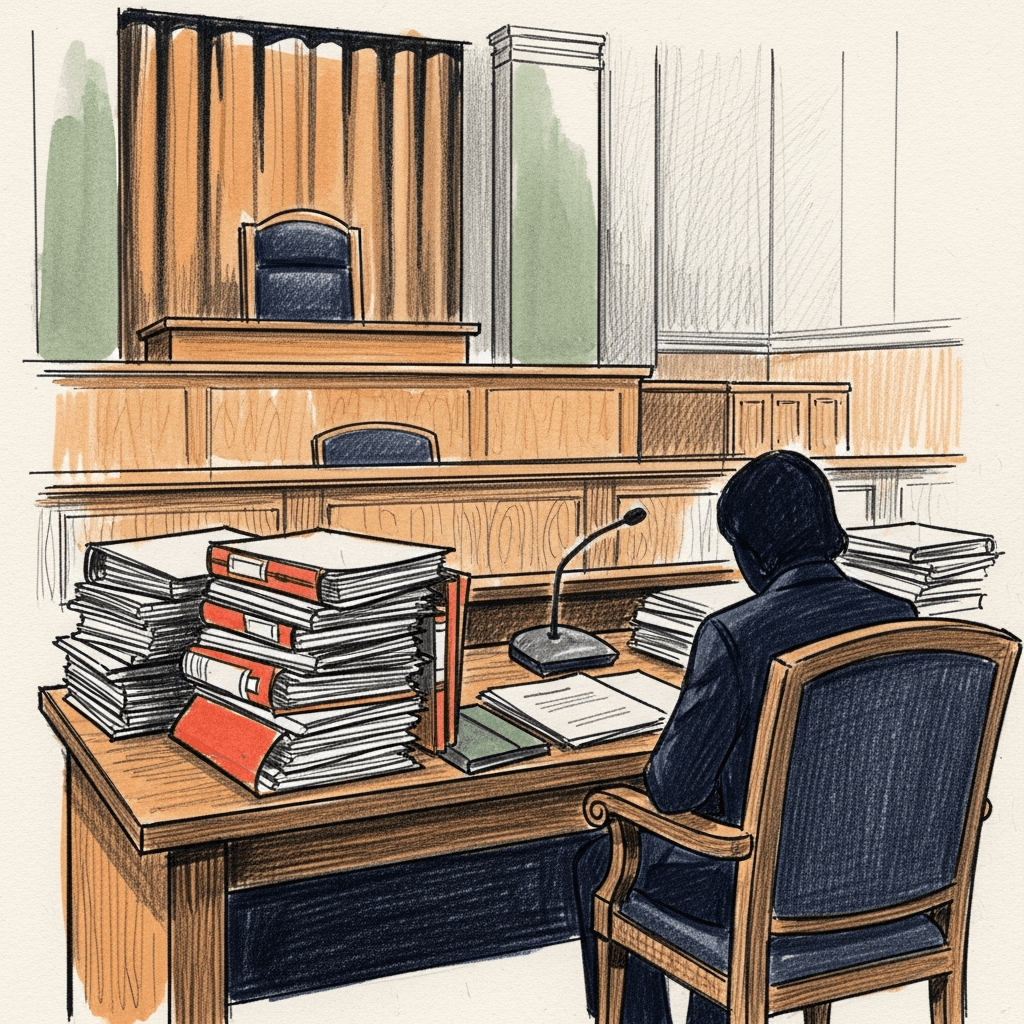
What it's about
The Court denied review, leaving in place the lower court’s refusal to consider his claim that trial counsel failed to investigate and present evidence of his mental-health history and intellectual disability.
The case came from the Eighth Circuit after Harris sought permission to appeal a federal challenge to his imprisonment.
Question presented
1. Whether the district court erred in denying Petitioner’s motion for a certificate of appealability where Petitioner made a substantial showing of the denial of a constitutional right. 2. Whether the district court erred in failing to address Petitioner’s claim that his trial counsel was ineffective for failing to investigate and present evidence of Petitioner’s mental health history and intellectual disability.
What the Court decided
Holding
Petition DENIED.
What's next
The Supreme Court has finished this docket action. The lower-court refusal remains in place, and the underlying claim received no Supreme Court merits ruling.
Documents
Docket activity
New analysis added
AI analysis generated: Case Briefing
New analysis added
New analysis added
New analysis added
Show 7 moreShow fewer
New analysis added
New analysis added
New analysis added
New analysis added
New analysis added
New analysis added
New analysis added
Sources
Primary materials plus reporting. Best-effort analysis: this explainer relies on a mix of primary materials and trusted secondary sources. Official filings and opinions remain authoritative.