Gentry v. Arizona
In brief
The Supreme Court declined to hear Gentry's petition, did not decide the constitutional questions, and left the Arizona judgment in place.
- Where it stands
- Decided
Decided · May 26, 2020
- What it’s about
- The Supreme Court denied Gentry’s petition for review, leaving the Arizona Supreme Court’s judgment in place. His petition challenged jury-selection rulings under Batson and Arizona’s procedures for imposing a death sentence.
- Who it affects
- The denial ended Gentry's Supreme Court case and left the Arizona Supreme Court's judgment in place, without resolving the constitutional questions he raised.
Summary: written with AI from the case record.
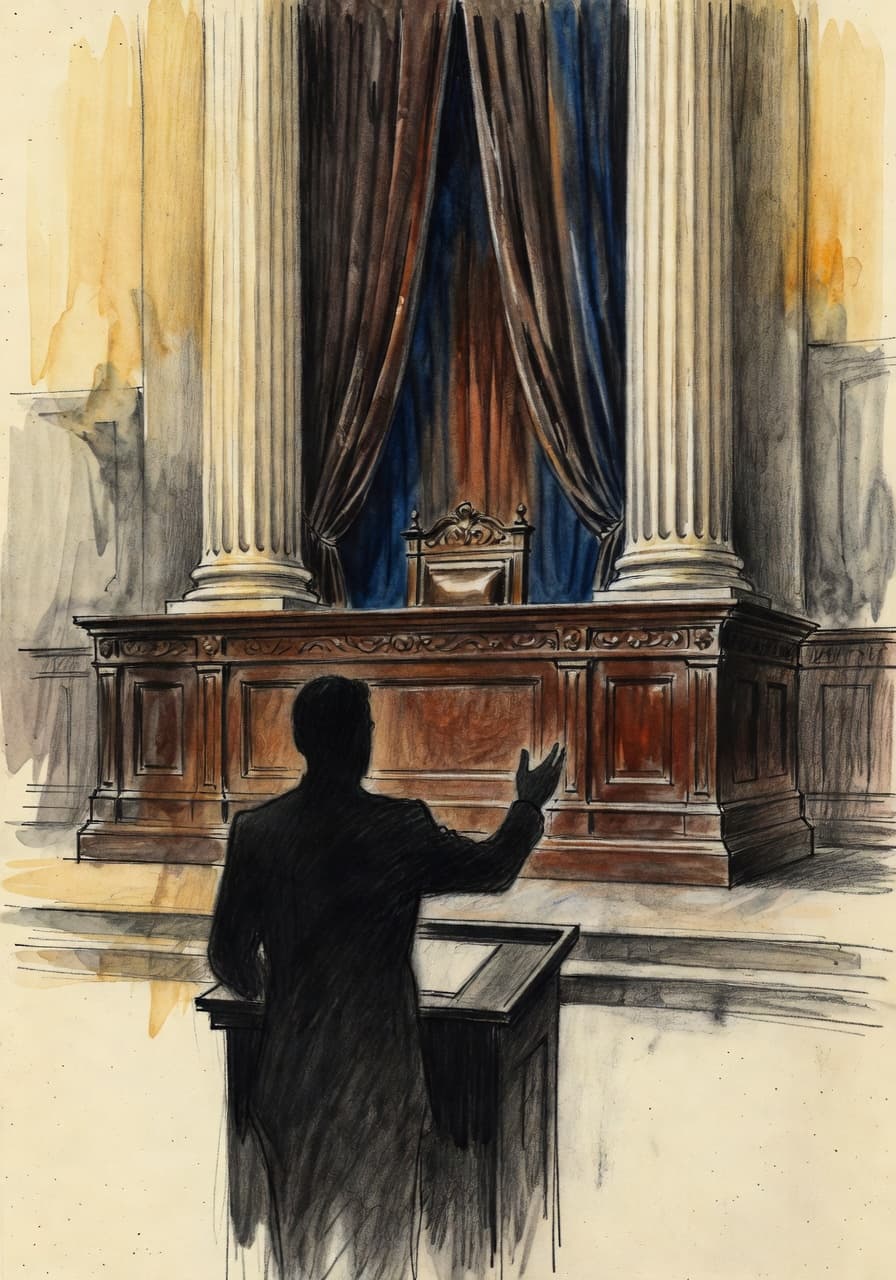
What it's about
The petition arose from an Arizona death-penalty case involving a challenge to jury selection and the state's rules for imposing a death sentence.
Question presented
1. Whether the Sixth Amendment requires a jury to find beyond a reasonable doubt that the aggravating circumstances outweigh the mitigating circumstances before a death sentence may be imposed. 2. Whether the Arizona Supreme Court’s decision in State v. Gentry, 247 Ariz. 381, 449 P.3d 1121 (2019), violates the Eighth Amendment’s requirement of individualized sentencing by precluding the sentencer from considering and giving effect to mitigating evidence.
What the Court decided
Holding
Petition DENIED.
What's next
The Supreme Court's docket action is complete. The Arizona judgment remains in place; this order did not send the case back or resolve the constitutional questions.
Documents
Opinions
Key filings
Docket activity
New analysis added
AI analysis generated: Case Briefing
New analysis added
New analysis added
New analysis added
Show 7 moreShow fewer
New analysis added
New analysis added
New analysis added
New analysis added
New analysis added
New analysis added
New analysis added
More questions
- What constitutional questions did Gentry raise?
- His petition raised whether a jury must find that factors making a crime more serious outweigh factors favoring leniency before a death sentence, and whether Arizona's process lets the decision-maker consider evidence favoring a lesser sentence.
Sources
Primary materials plus reporting. Best-effort analysis: this explainer relies on a mix of primary materials and trusted secondary sources. Official filings and opinions remain authoritative.