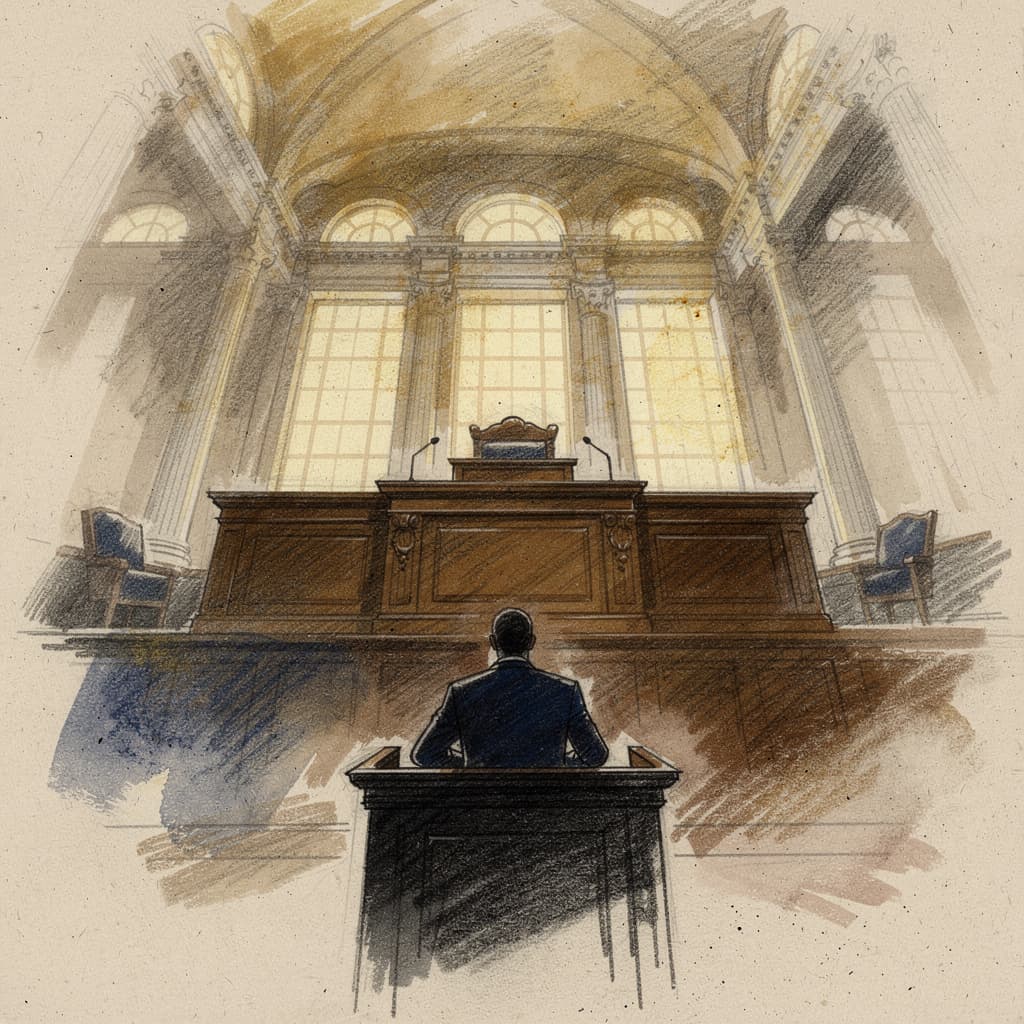
Jordan v. North Carolina
This case involves a petition for a writ of certiorari filed by Jordan against the state of North Carolina following a decision by the Fourth Circuit.
- Status
- Decided
- Appeal from
- United States Court of Appeals for the Fourth Circuit
- Decision released
- May 26, 2020
Decision briefing
The case in plain English
What Happened
The Supreme Court addressed whether the Sixth Amendment requires state juries to be unanimous when convicting a defendant of a serious crime. This case followed a petition for certiorari (a request for the Court to review a lower court's decision) after a ruling by the Fourth Circuit Court of Appeals. The Court issued its decision on May 26, 2020, regarding the application of jury rights to the states.
Why It Matters
This case impacts how criminal trials are conducted in state courts across the country. If a unanimous verdict is required, it ensures that every juror must agree on a defendant's guilt before a conviction can happen. This protects individuals from being convicted when there is still reasonable doubt among some jury members.
The Big Picture
For many years, the Supreme Court has debated which parts of the Bill of Rights apply to state governments through the Fourteenth Amendment. This case specifically looks at the right to a jury trial and whether state rules must match federal rules. It follows a long history of legal challenges regarding the fairness of the American criminal justice system.
What the Justices Said
The Court issued its decision on May 26, 2020, but the specific vote count and justice lineup were not provided in the case records.
The Bottom Line
The Supreme Court ruled on whether state courts must require all jurors to agree for a criminal conviction.
What's Next
Legal experts will watch how lower courts and state agencies change their trial procedures based on this ruling. Defendants who were convicted by non-unanimous juries may seek to have their cases reviewed. Future cases will likely clarify how this rule applies to older convictions that have already been finalized.
What was the core dispute in this case?
The case focused on whether the Sixth Amendment requires state juries to reach a unanimous verdict to convict someone. It questioned if the right to a jury trial means the same thing in state courts as it does in federal courts.
What are the real-world consequences of this ruling?
Criminal defendants in states that previously allowed non-unanimous verdicts will now have stronger protections during trials. This change could lead to more hung juries or require prosecutors to present more convincing evidence to win a case.
What legal rule did the Court examine?
The Court examined the Sixth Amendment right to a jury trial as applied through the Fourteenth Amendment. This legal process is known as incorporation, which makes federal protections apply to state governments.
What is the next procedural step for this case?
Now that the Supreme Court has ruled, lower courts must apply this standard to ongoing and future criminal trials. Affected parties and state legislatures may need to update their laws to match the Court's requirements.
How does this case fit into a broader legal trend?
This case is part of a trend where the Supreme Court ensures that fundamental rights are applied consistently across all states. It reflects an ongoing effort to standardize the protections guaranteed by the Bill of Rights for every citizen.
Where things stand
Timeline
Source note
How this page is sourced
Official case materials anchor this page. Reporting is used only to add context and explain the dispute in plain English.
Page data last refreshed Mar 31, 2026.
Context reporting
Primary materials
Documents & resources
Recent coverage
In the news
More to watch