Newton v. Ohio
In brief
The Supreme Court declined to review Newton’s case, leaving the Ohio decision in place without deciding his constitutional claims.
- Where it stands
- Decided
Decided · May 18, 2020
- What it’s about
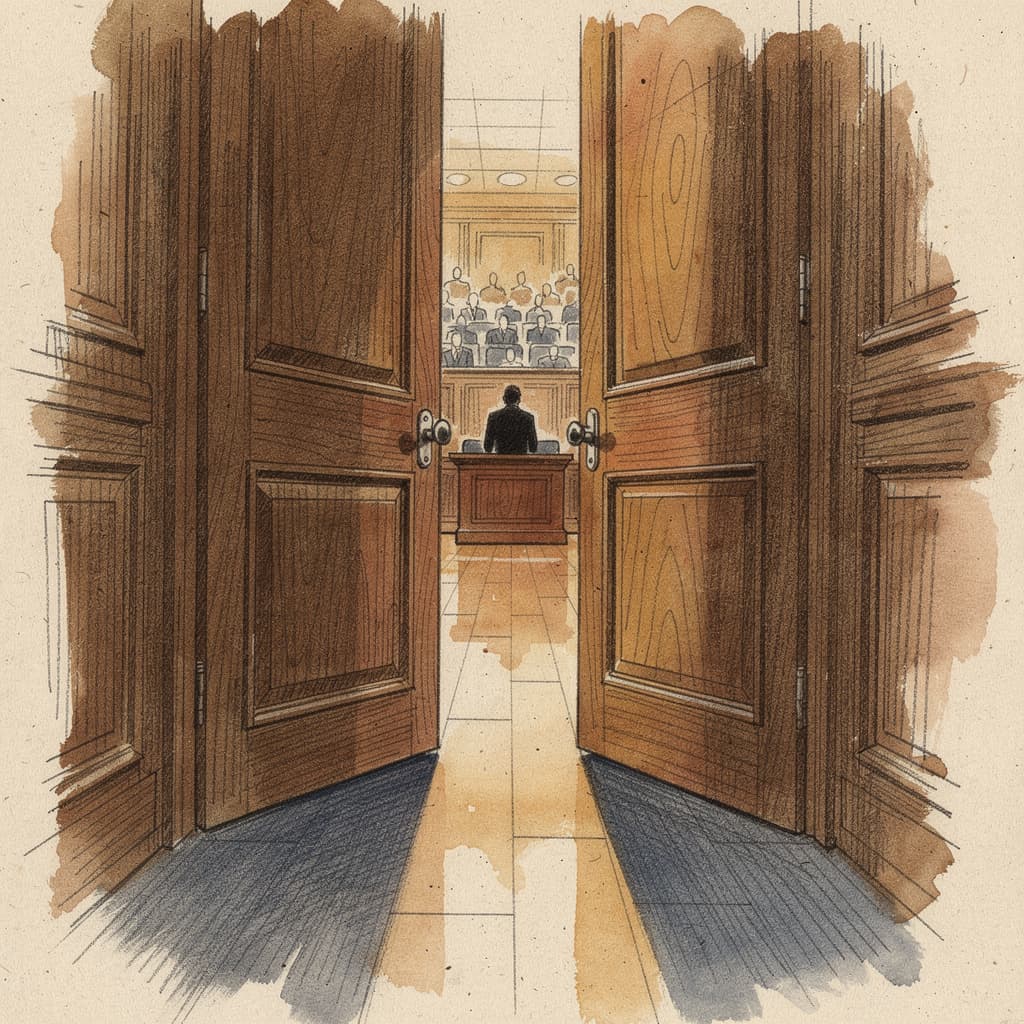
- The case concerned whether an Ohio trial court violated Newton’s Sixth Amendment rights by closing the courtroom during jury selection without the findings required by Waller v. Georgia, and whether his lawyer was ineffective for not objecting.
- Who it affects
- The Ohio court’s decision remains in place for Newton, but the Supreme Court did not decide whether the courtroom closure or the failure to object violated his rights.
Summary: written with AI from the case record.
What it's about
The Supreme Court denied review, leaving the Ohio court’s decision in place without deciding those constitutional claims on the merits.
The dispute came from an Ohio state case in Cuyahoga County and reached the Supreme Court from the Court of Appeals of Ohio.
Question presented
1. Whether the trial court violated Petitioner’s Sixth Amendment right to a public trial when it closed the courtroom during jury selection without making the findings required by Waller v. Georgia, 467 U.S. 39 (1984). 2. Whether the trial court violated Petitioner’s Sixth Amendment right to the effective assistance of counsel when trial counsel failed to object to the closure of the courtroom during jury selection.
What the Court decided
Holding
Petition DENIED.
What's next
The Supreme Court’s docket action is finished. The Ohio court’s decision remains in place, and this case produced no Supreme Court ruling on the Sixth Amendment questions.
Documents
Opinions
Key filings
Docket activity
New analysis added
AI analysis generated: Case Briefing
New analysis added
New analysis added
New analysis added
Show 7 moreShow fewer
New analysis added
New analysis added
New analysis added
New analysis added
New analysis added
New analysis added
New analysis added
Sources
Primary materials plus reporting. Best-effort analysis: this explainer relies on a mix of primary materials and trusted secondary sources. Official filings and opinions remain authoritative.