Leonhart v. Shoop
In brief
The Supreme Court refused to hear Leonhart's case, leaving the Sixth Circuit decision unchanged without answering the effective-counsel question.
- Where it stands
- Decided
Decided · May 18, 2020
- What it’s about
- Leonhart filed a petition for a writ of certiorari and a motion to proceed in forma pauperis to the Supreme Court, seeking review of a Sixth Circuit decision. The specific legal issues involved in the dispute are not detailed in the available records.
- Who it affects
- The Sixth Circuit decision was left unchanged in Leonhart's case, but the Supreme Court issued no ruling on the challenged plea-bargaining conduct.
Summary: written with AI from the case record.
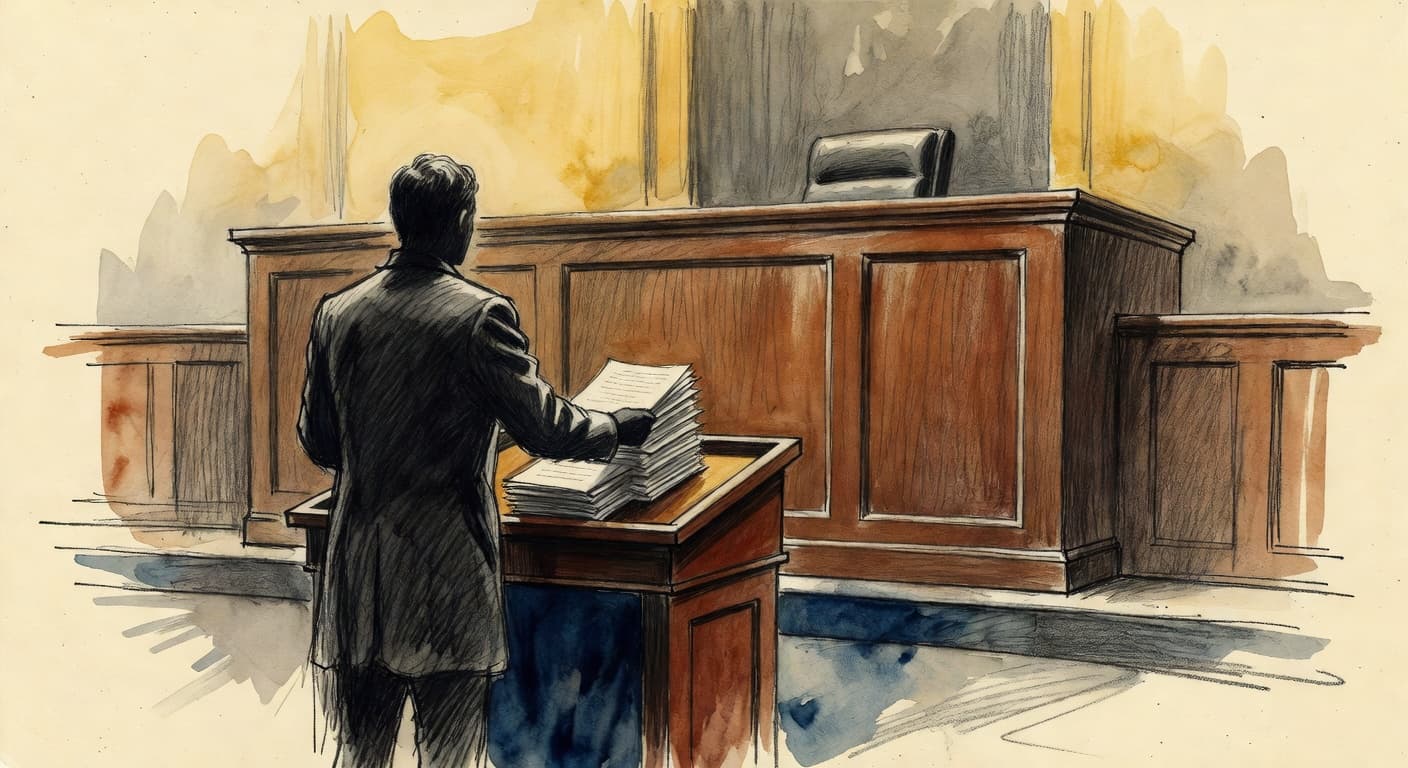
What it's about
Leonhart filed the review request along with a request to proceed without paying the usual court fees.
Question presented
Is defense counsel who makes a plea bargain that fails to give his client a substantial strategic benefit acting as competent and effective counsel as guaranteed by the United States Constitution?
What the Court decided
Holding
Petition DENIED.
What's next
The Supreme Court's docket action is complete. This order does not send the case back for further Supreme Court proceedings or decide the plea-bargain question.
Documents
Opinions
Key filings
Docket activity
New analysis added
AI analysis generated: Case Briefing
New analysis added
New analysis added
New analysis added
Show 7 moreShow fewer
New analysis added
New analysis added
New analysis added
New analysis added
New analysis added
New analysis added
New analysis added
More questions
- Did the denial endorse the Sixth Circuit's reasoning?
- No. The Court left the lower-court decision undisturbed but did not approve its reasoning or decide the constitutional question.
Sources
Primary materials plus reporting. Best-effort analysis: this explainer relies on a mix of primary materials and trusted secondary sources. Official filings and opinions remain authoritative.