Kemp v. Payne
In brief
The Supreme Court refused to hear the case, so the lower-court ruling against Kemp stays in place; the Court did not decide whether Arkansas violated the Eighth Amendment.
- Where it stands
- Decided
Decided · May 18, 2020
- What it’s about
- The Court denied Kemp’s petition for review, leaving in place the lower-court ruling against him.
- Who it affects
- The denial leaves the ruling against Kemp in place, but does not decide whether Arkansas’s handling of his claim met the Eighth Amendment standards described in Moore v. Texas.
Summary: written with AI from the case record.
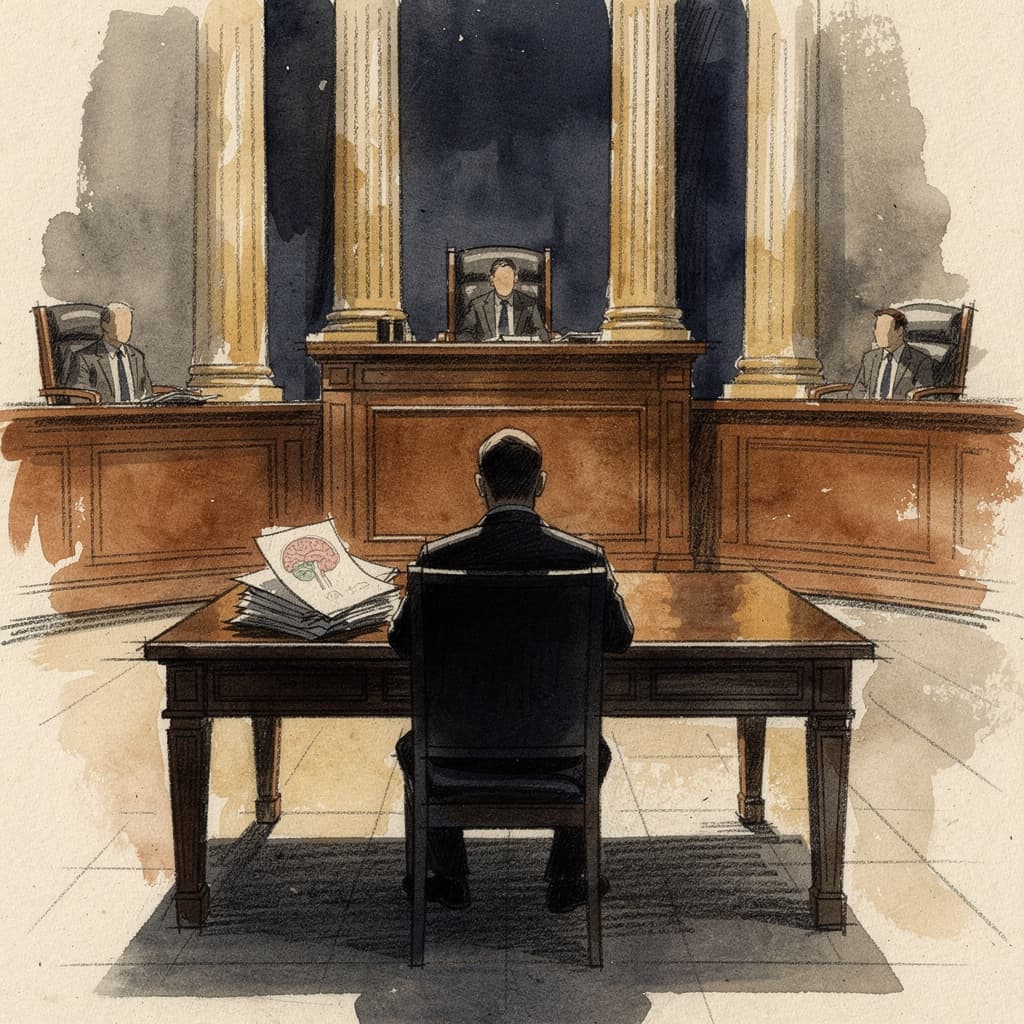
What it's about
The Court therefore did not decide whether Arkansas’s treatment of his intellectual-disability claim complied with the Eighth Amendment standards described in Moore v. Texas.
The petition challenged whether Arkansas followed Moore v. Texas when handling Kemp’s intellectual-disability claim under the Eighth Amendment.
Question presented
1. Whether the Arkansas Supreme Court’s decision, which failed to apply the clinical standards for intellectual disability as required by Moore v. Texas, 137 S. Ct. 1039 (2017) (Moore I), and Moore v. Texas, 139 S. Ct. 1662 (2019) (Moore II), violates the Eighth Amendment. 2. Whether the Arkansas Supreme Court’s decision, which failed to consider the petitioner’s intellectual disability claim on the merits, violates the Eighth Amendment.
What the Court decided
Holding
Petition DENIED.
What's next
The Supreme Court’s docket action is finished. Its denial leaves the lower-court ruling in place, while the Eighth Amendment questions raised in Kemp’s petition remain undecided by the Supreme Court.
Documents
Docket activity
New analysis added
AI analysis generated: Case Briefing
New analysis added
New analysis added
New analysis added
Show 7 moreShow fewer
New analysis added
New analysis added
New analysis added
New analysis added
New analysis added
New analysis added
New analysis added
Sources
Primary materials plus reporting. Best-effort analysis: this explainer relies on a mix of primary materials and trusted secondary sources. Official filings and opinions remain authoritative.