Carter v. United States
In brief
The Supreme Court declined to review Carter's challenge, so it did not decide whether the Feres doctrine should be reconsidered.
- Where it stands
- Decided
Decided · May 18, 2020
- What it’s about
- This case asks the Supreme Court to reconsider the Feres doctrine, which prevents military service members from suing the government for injuries sustained during their service.
- Who it affects
- The order ended Carter's request for Supreme Court review but did not decide whether military service members may sue the federal government for service-related injuries under the Feres doctrine.
Summary: written with AI from the case record.
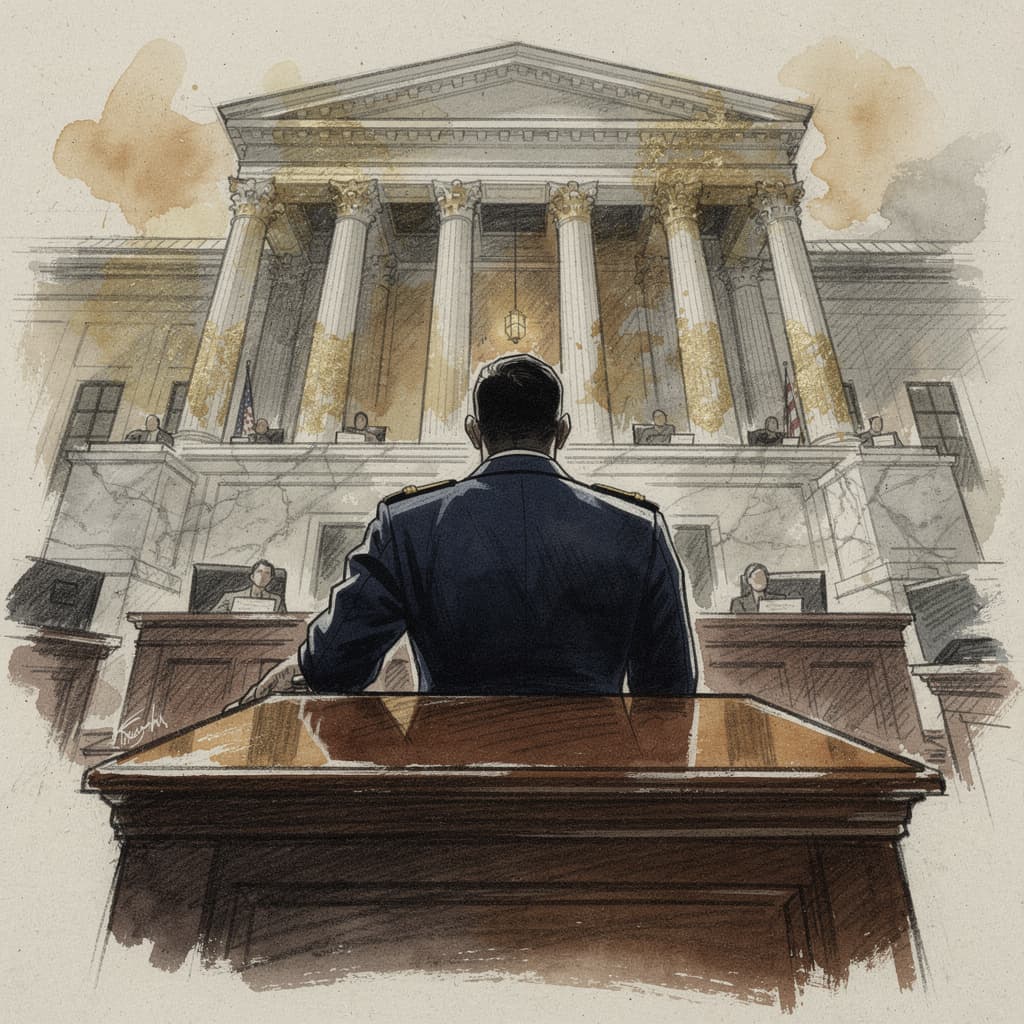
What it's about
The petitioner argues that this doctrine contradicts the plain language of the Federal Tort Claims Act.
The case came from the Eighth Circuit and concerned a rule that prevents military service members from suing the federal government for injuries sustained during service.
Question presented
Whether the Supreme Court should reconsider the Feres doctrine, which prevents military service members from suing the government for injuries sustained during their service.
What the Court decided
Holding
Petition DENIED.
What's next
The Supreme Court has finished this docket action. It did not agree to hear the petition, so this docket contains no ruling on the main legal question.
Documents
Opinions
Key filings
Docket activity
New analysis added
AI analysis generated: Case Briefing
New analysis added
New analysis added
New analysis added
Show 7 moreShow fewer
New analysis added
New analysis added
New analysis added
New analysis added
New analysis added
New analysis added
New analysis added
More questions
- What did Carter argue?
- Carter argued that the Feres doctrine conflicts with the plain language of the Federal Tort Claims Act.
- Was the case argued before the Supreme Court?
- No. The record lists oral argument as not yet scheduled.
- When did the Supreme Court refuse to hear Carter's petition?
- The docket records that action on May 18, 2020.
Sources
Primary materials plus reporting. Best-effort analysis: this explainer relies on a mix of primary materials and trusted secondary sources. Official filings and opinions remain authoritative.