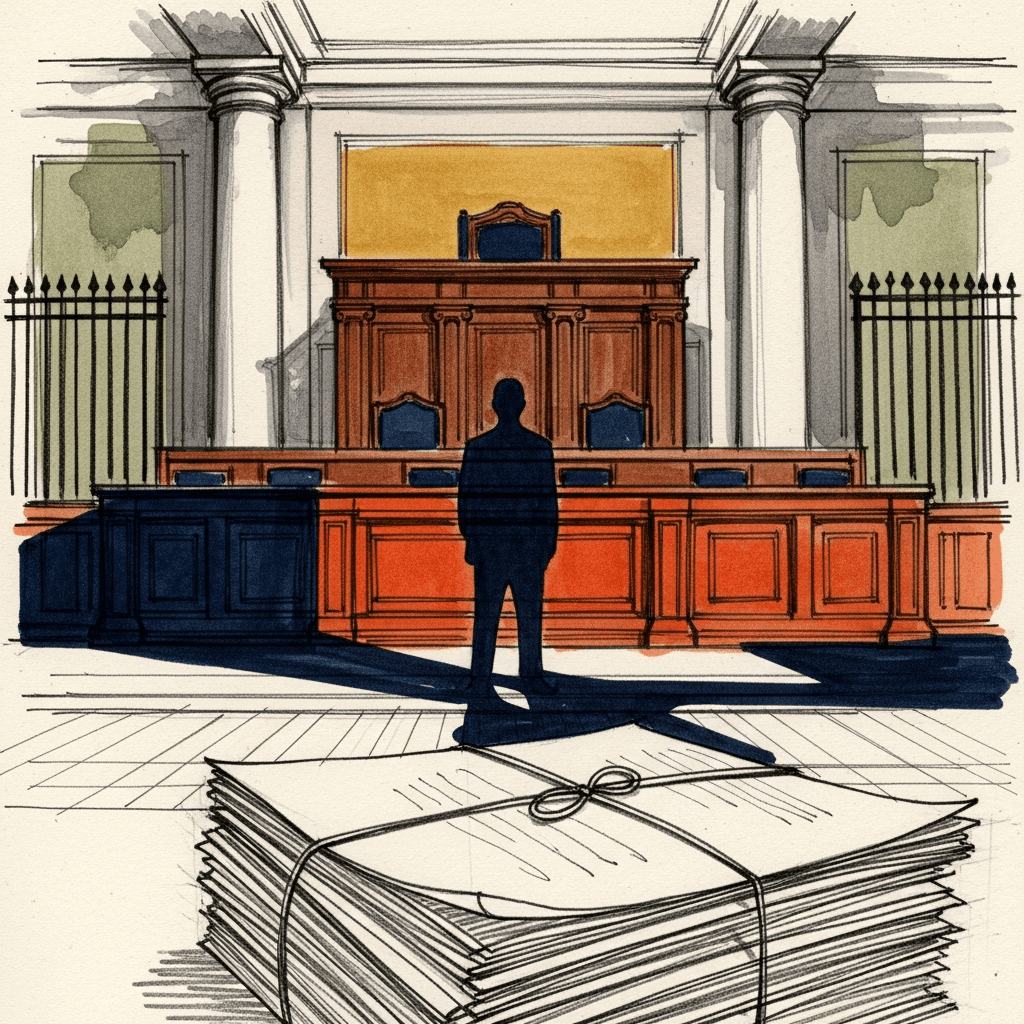
Trump v. Mazars USA, LLP
The Supreme Court considered whether congressional committees could subpoena the personal financial records of a sitting President from his accounting firm. The Court ruled that while Congress has the power to issue such subpoenas, courts must apply a strict balancing test to ensure they do not violate the separation of powers.
- Status
- Decided
- Appeal from
- United States Court of Appeals for the District of Columbia Circuit
- Decision released
- Jul 9, 2020
Briefing
What Happened
The Supreme Court is reviewing whether congressional committees have the legal power to subpoena (a legal order for documents) the personal financial records of a sitting President from his private accounting firm. The case focuses on whether these requests serve a valid legislative purpose or if they interfere too much with the President's duties.
Why It Matters
This case will determine how much oversight Congress can have over a President's private life and finances. If the Court allows the subpoenas, it could set a precedent for future investigations into the personal business of any Commander-in-Chief.
The Big Picture
The dispute highlights a major clash between the executive and legislative branches of government. It involves interpreting Article II and the Supremacy Clause of the Constitution to see where the President's privacy ends and Congress's power begins.
What the Justices Said
The Court has granted certiorari (the decision to hear the case), but oral arguments have not yet been scheduled to hear the parties' positions.
The Bottom Line
The Court must decide if Congress can force a President's private business partners to hand over his personal financial records.
What's Next
The next major milestone is for the Court to schedule and hold oral arguments. After that, the justices will meet in private to discuss the case and eventually release a written decision.
What is the core dispute between Congress and the President in this case?
The core dispute is whether Congress can use its investigative powers to obtain a President's personal financial records from a third party. The President argues these subpoenas are an overreach of power.
What are the real-world consequences if Congress wins this case?
If Congress wins, future Presidents may face more frequent investigations into their private business dealings. This could change how candidates manage their finances before and during their time in office.
What legal rule or constitutional section is at the center of this argument?
The case centers on Article II and the Supremacy Clause of the Constitution. The Court must decide if these rules protect a President from being targeted by congressional subpoenas.
What is the next procedural step for this case at the Supreme Court?
The next step is for the Court to schedule oral arguments where lawyers for both sides will present their cases. Following those arguments, the justices will begin drafting their opinions.
How does this case fit into the broader trend of separation of powers disputes?
This case is part of a long history of the Court defining the boundaries between the branches of government. It tests the limits of legislative oversight against executive independence.
Timeline
Sources
Docket plus reporting.
Refreshed Mar 11, 2026.
Documents
Coverage
Related cases