Shaffer v. Pennsylvania
In brief
The Supreme Court refused to hear Shaffer's petition, leaving the Pennsylvania ruling in place without deciding whether the DNA evidence could be presented through the supervisor.
- Where it stands
- Decided
Decided · May 4, 2020
- What it’s about
- The Supreme Court denied review of Shaffer’s case, leaving the Pennsylvania Supreme Court’s ruling in place and allowing Pennsylvania to prevail.
- Who it affects
- For Shaffer and Pennsylvania, the Pennsylvania ruling remains in place; the U.S. Supreme Court did not decide the Sixth Amendment question.
Summary: written with AI from the case record.
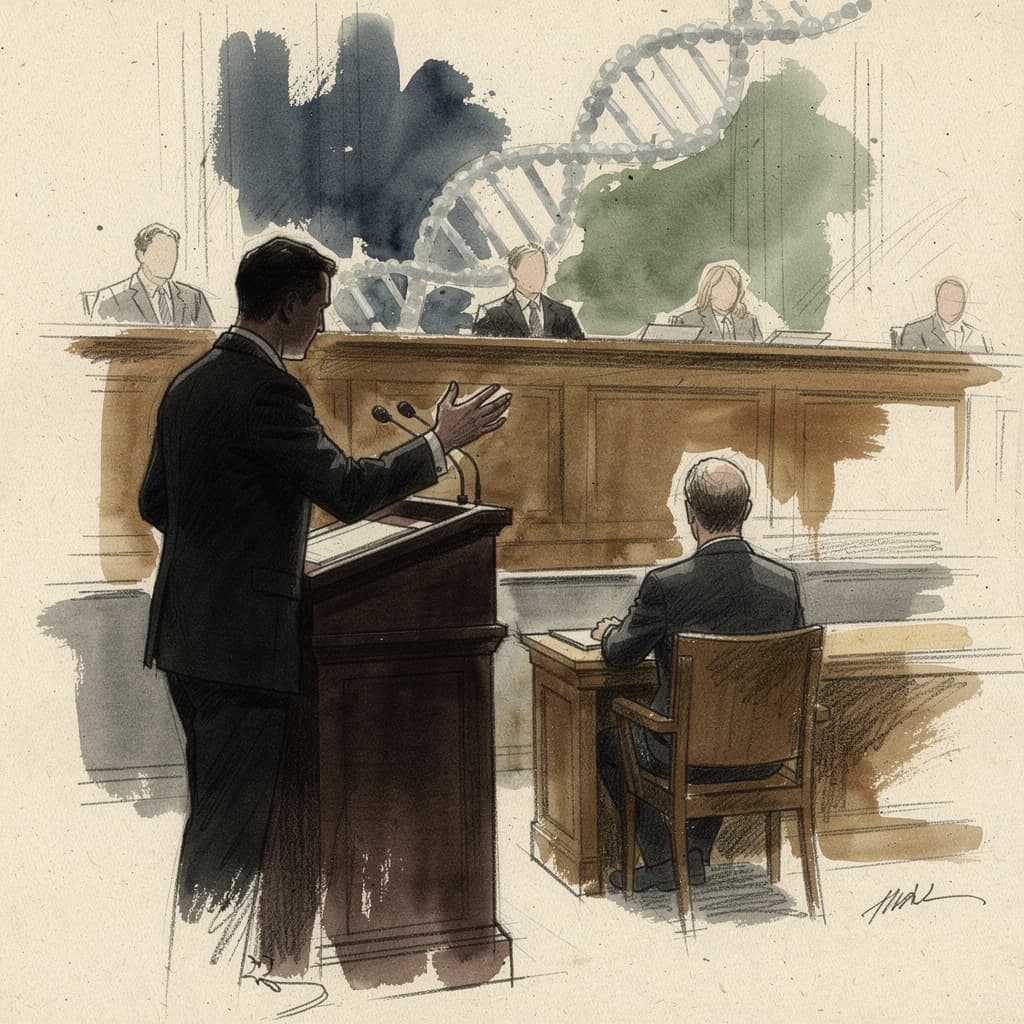
What it's about
The petition concerned whether the Fourth Amendment’s private-search doctrine allowed police to examine material after a private party had already searched it without obtaining a warrant.
The case reached the U.S. Supreme Court from Pennsylvania's state-court system after Shaffer sought review of an evidence ruling.
Question presented
Whether the Confrontation Clause of the Sixth Amendment permits the prosecution to introduce testimonial results of a forensic DNA examination through the testimony of a laboratory supervisor who did not perform the testing and had no personal involvement in the testing.
What the Court decided
Holding
Petition DENIED.
What's next
The Court has finished this docket action. The Pennsylvania ruling remains in place for this case; this petition produced no ruling on the main legal question.
Documents
Docket activity
New analysis added
AI analysis generated: Case Briefing
New analysis added
New analysis added
New analysis added
Show 7 moreShow fewer
New analysis added
New analysis added
New analysis added
New analysis added
New analysis added
New analysis added
New analysis added
More questions
- Was the Pennsylvania ruling overturned?
- No. The Supreme Court left it in place for this case without approving or rejecting the reasoning behind it.
- Did the Supreme Court decide the Confrontation Clause question?
- No. It refused to hear the petition and issued no ruling on whether the DNA results could be introduced through that laboratory supervisor.
- When did the Court deny review?
- The case record lists May 4, 2020 as the date of the docket action.
Sources
Primary materials plus reporting. Best-effort analysis: this explainer relies on a mix of primary materials and trusted secondary sources. Official filings and opinions remain authoritative.