Tribal police search powers
United States v. Cooley
In brief
The Supreme Court said tribal police may briefly detain and search people who are not Native American on public roads through reservations for possible state or federal violations; it wiped out the Ninth Circuit's ruling (vacated) and sent the case back (remanded).
- Where it stands
- Decided
Decided 9-0 · June 1, 2021 · Opinion by Justice Breyer
- What it’s about
- The Court ruled that tribal police may briefly detain and search non-Indians on public roads through a reservation when state or federal law may have been violated.
- Who it affects
- The decision confirms that tribal police may briefly detain and search people who are not Native American on public roads through a reservation when state or federal law may have been violated.
Summary: written with AI from the case record.
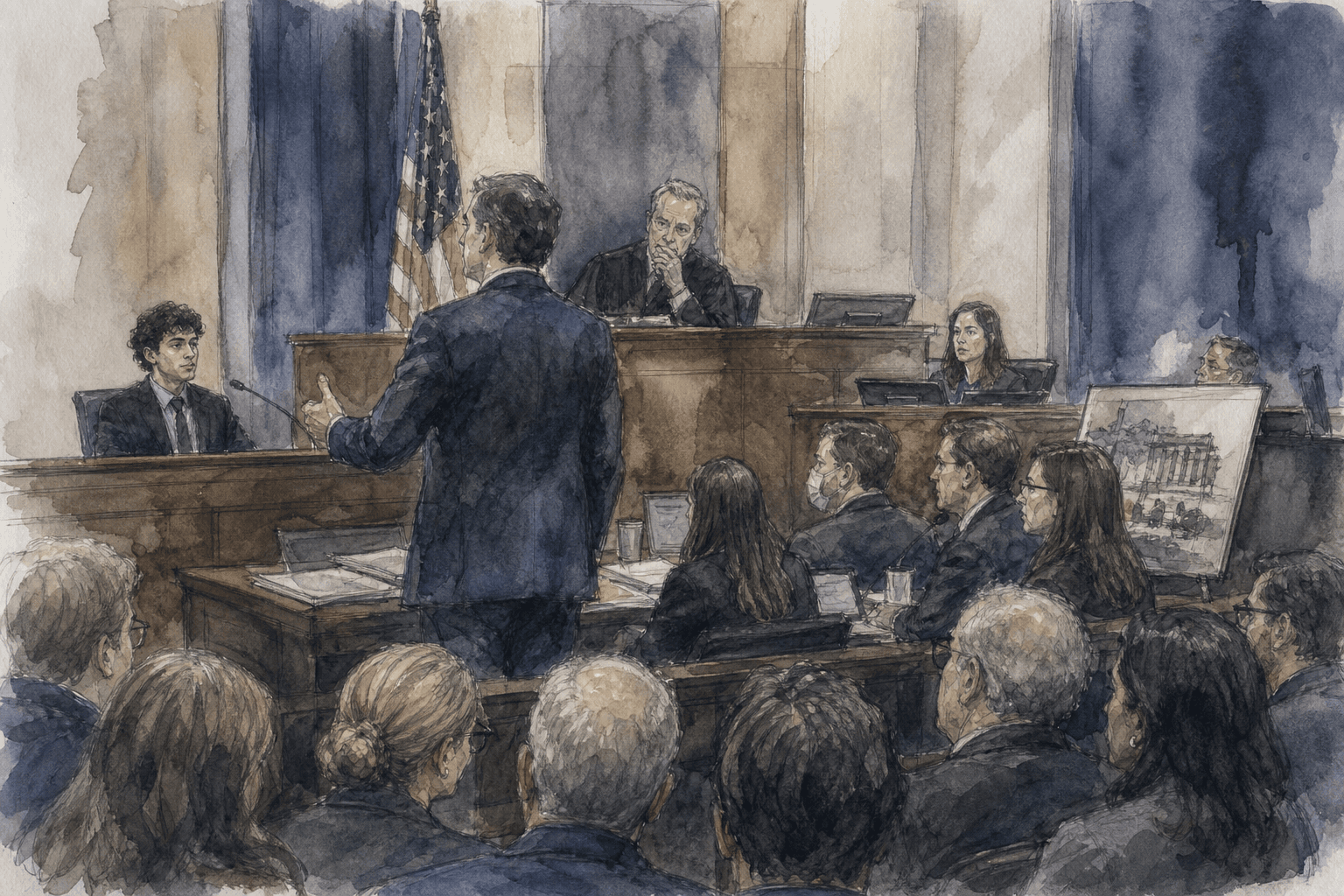
What it's about
It wiped out the Ninth Circuit’s ruling and sent the case back to the lower court (vacated and remanded).
The case shows how tribal police authority and state and federal law enforcement overlap on public roads crossing reservations.
Question presented
Whether the lower courts erred in suppressing evidence on the theory that a police officer of an Indian tribe lacked authority to temporarily detain and search respondent, a non-Indian, on a public right-of-way within a reservation based on a potential violation of state or federal law.
What the Court decided
Holding
A tribal police officer has authority to detain temporarily and to search non-Indian persons traveling on public rights-of-way running through a reservation for potential violations of state or federal law. 919 F. 3d 1135, vacated and remanded.
- Result
- Vacated
The vote
What's next
The Supreme Court's action is finished. The case returns to the Ninth Circuit for further proceedings (remanded), with its earlier judgment wiped out (vacated).
Why it matters
It wipes out the Ninth Circuit's contrary ruling (vacated) and sends the case back for further proceedings (remanded).
Documents
Docket activity
New analysis added
AI analysis generated: Impact Analysis
AI analysis generated: Opinion Summary
New analysis added
AI analysis generated: Case Briefing
Show 7 moreShow fewer
AI analysis generated: Decision Record
Case data updated: summary, question_presented, generation_metadata
New analysis added
Case data updated: status, opinion_date
Opinion added: opinion
Brief added: Petition
Brief added: Questions Presented
More questions
- What did the Supreme Court decide in United States v. Cooley?
- It ruled that tribal police may briefly detain and search non-Indian travelers on public roads through a reservation for possible state or federal violations.
- Why does the Cooley ruling matter?
- It clarifies tribal police authority on public roads through reservations and removes the Ninth Circuit's contrary ruling.
- What happened to the Ninth Circuit's ruling?
- The Supreme Court wiped it out (vacated) and sent the case back to the lower court (remanded).
- What happens next in United States v. Cooley?
- The case returns to the Ninth Circuit for further proceedings (remanded), with its earlier judgment wiped out (vacated).
- How did the justices vote in Cooley?
- The Court ruled unanimously. Justice Breyer wrote the opinion, and Justice Alito signed on to it while also writing a separate opinion about the ruling's limits.
Sources
Primary materials plus reporting. Best-effort analysis: this explainer relies on a mix of primary materials and trusted secondary sources. Official filings and opinions remain authoritative.