Hotze Health Wellness Ctr. Int'l One v. Envtl. Research Ctr.
In brief
The Supreme Court declined review, leaving the Ninth Circuit's result in place without deciding whether California could hear the dispute.
- Where it stands
- Decided
Decided · May 18, 2020
- What it’s about
- The Supreme Court declined to review the case, leaving the Ninth Circuit’s result in place.
- Who it affects
- The Ninth Circuit's result remains in place for Hotze Health Wellness Center and Environmental Research Center; the Supreme Court issued no ruling on the website or effects-test questions.
Summary: written with AI from the case record.
What it's about
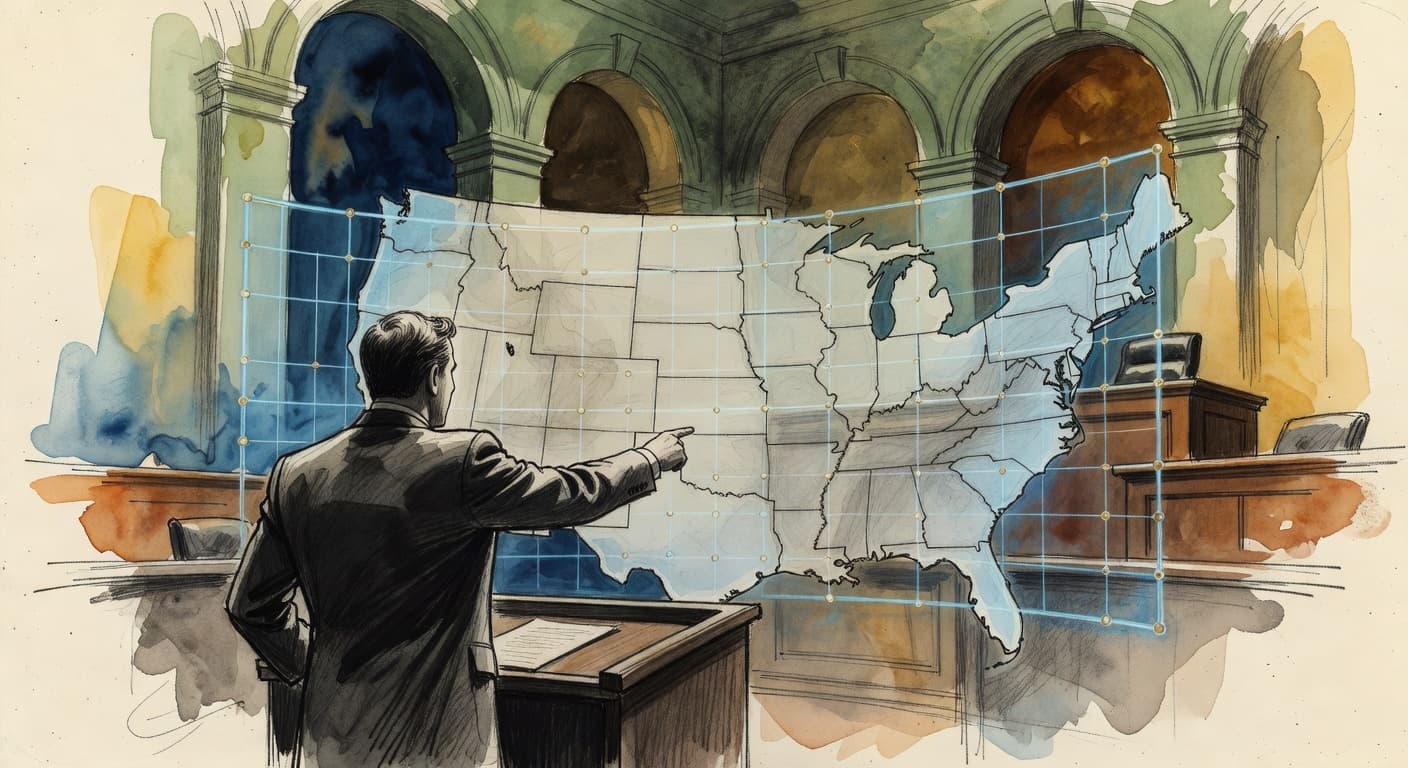
The petition concerned whether California could exercise personal jurisdiction over a nonresident defendant based on an interactive website accessible there and on the alleged effects of conduct not expressly aimed at California.
The dispute came from the Ninth Circuit and centered on whether an interactive website accessible in California could support a case against an out-of-state defendant.
Question presented
1. Whether the Due Process Clause of the Fourteenth Amendment prohibits a state from exercising personal jurisdiction over a nonresident defendant whose only contact with the forum state is an interactive website that is accessible in the forum state, but that does not target the forum state or its residents. 2. Whether the Due Process Clause of the Fourteenth Amendment prohibits a state from exercising personal jurisdiction over a nonresident defendant under the “effects test” of Calder v. Jones, 465 U.S. 783 (1984), where the defendant’s allegedly tortious conduct was not expressly aimed at the forum state.
What the Court decided
Holding
Petition DENIED.
What's next
The Supreme Court has finished this docket action. The Ninth Circuit's result remains in place, and this docket shows no further Supreme Court action on the underlying questions.
Documents
Opinions
Key filings
Docket activity
New analysis added
AI analysis generated: Case Briefing
New analysis added
New analysis added
New analysis added
Show 7 moreShow fewer
New analysis added
New analysis added
New analysis added
New analysis added
New analysis added
New analysis added
New analysis added
More questions
- When did the Court decline review?
- The Court denied the petition on May 18, 2020.
Sources
Primary materials plus reporting. Best-effort analysis: this explainer relies on a mix of primary materials and trusted secondary sources. Official filings and opinions remain authoritative.