Unanimous jury verdicts
Dick v. Oregon
In brief
The Supreme Court wiped out the Oregon Court of Appeals’ judgment (vacated it) and sent Dick’s case back (remanded it), but did not decide whether he ultimately wins.
- Where it stands
- Case remanded
Remanded · April 27, 2020
- What it’s about
- The Court vacated the Oregon Court of Appeals’ judgment against Shaun Dick and sent the case back for reconsideration in light of Ramos v. Louisiana.
- Who it affects
- The order did not give Dick a final answer on the unanimous-verdict issue or on whether he properly raised it in Oregon’s courts. The Oregon Court of Appeals must reconsider the case in light of Ramos.
Summary: written with AI from the case record.
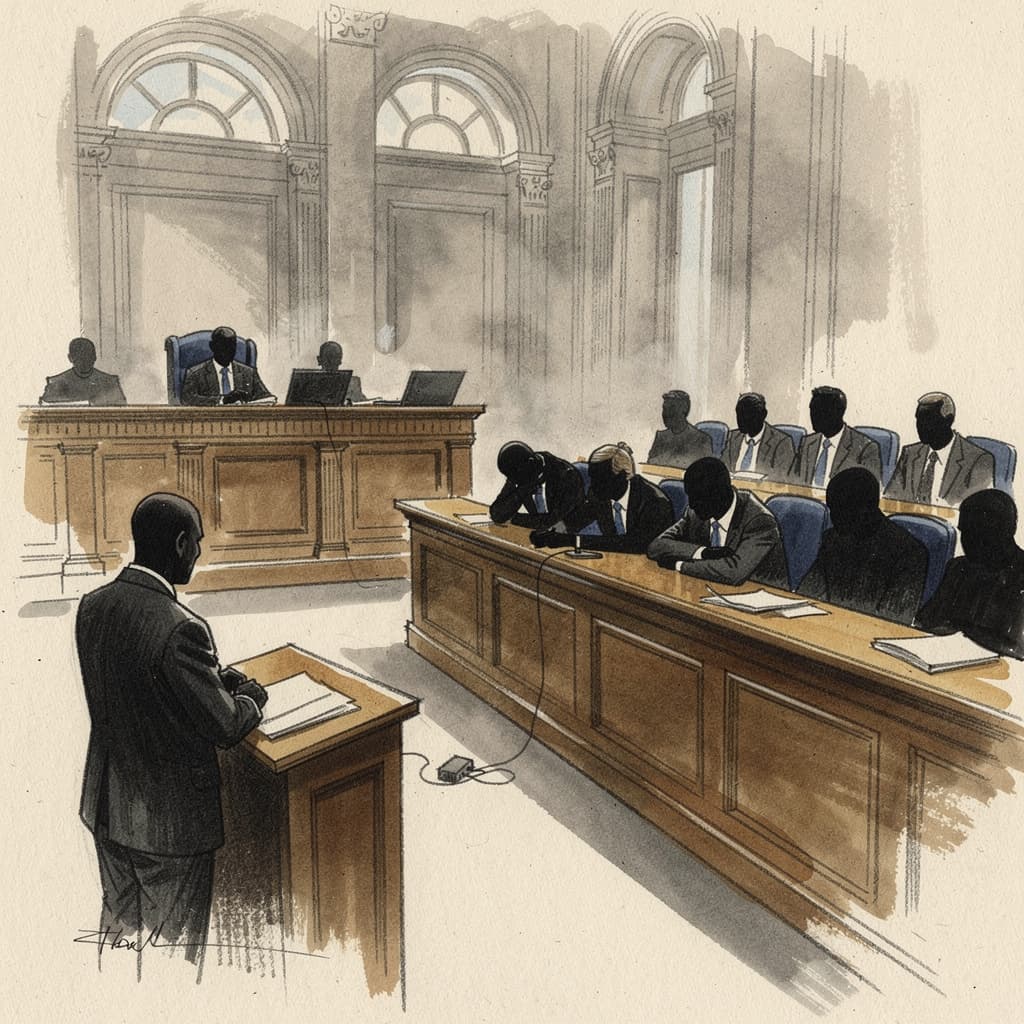
What it's about
In Ramos, the Court held that the Sixth Amendment requires unanimous jury verdicts to convict a defendant of a serious crime, so Dick prevailed in seeking review of Oregon’s nonunanimous-verdict rule.
This order followed Ramos v. Louisiana, where the Court decided that the Sixth Amendment requires unanimous jury verdicts for serious crimes.
Question presented
Whether the Sixth Amendment’s right to a jury trial—as applied to the States through the Fourteenth Amendment—requires a unanimous verdict to convict a defendant of a serious offense?
What the Court decided
Holding
Motion to proceed in forma pauperis and petition for a writ of certiorari granted. Judgment vacated and case remanded for further consideration in light of Ramos v. Louisiana, 590 U. S. ___ (2020). Justice Alito, concurring in the decision to grant, vacate, and remand: In this and in all other cases in which the Court grants, vacates, and remands in light of Ramos v. Louisiana, I concur in the judgment on the understanding that the Court is not deciding or expressing a view on whether the question was properly raised below but is instead leaving that question to be decided on remand.
- Result
- Remanded
What's next
The Oregon Court of Appeals must reconsider the case in light of Ramos. It must also decide whether Dick properly raised the unanimous-verdict question in the Oregon courts.
Documents
Docket activity
New analysis added
AI analysis generated: Case Briefing
AI analysis generated: Decision Record
New analysis added
Case data updated: summary, question_presented, generation_metadata
Show 2 moreShow fewer
Case data updated: status, opinion_date
Brief added: Petition
More questions
- What was the legal dispute in Dick v. Oregon?
- Dick challenged Oregon’s use of nonunanimous jury verdicts for serious offenses. The issue was whether the Sixth Amendment requires unanimous verdicts in state trials.
- What did the Supreme Court do in Dick v. Oregon?
- It wiped out the Oregon Court of Appeals’ judgment (vacated it) and sent the case back (remanded it) for reconsideration in light of Ramos. It did not decide the underlying legal question.
- What remains unresolved in Dick v. Oregon?
- The Court did not decide whether Dick ultimately wins or whether he properly raised the unanimous-verdict question in Oregon’s courts. That issue remains for the lower court.
- What happens next in Dick v. Oregon?
- The Oregon Court of Appeals will reconsider the case in light of Ramos. It will address whether Dick properly raised the unanimous-verdict question below.
Sources
Primary materials plus reporting. Best-effort analysis: this explainer relies on a mix of primary materials and trusted secondary sources. Official filings and opinions remain authoritative.