Kinder Morgan Energy Partners v. Forever
In brief
Kinder Morgan won this Supreme Court action because the Fourth Circuit decision was vacated, but the Court did not finally resolve the Clean Water Act question in this case.
- Where it stands
- Case remanded
Remanded · May 4, 2020
- What it’s about
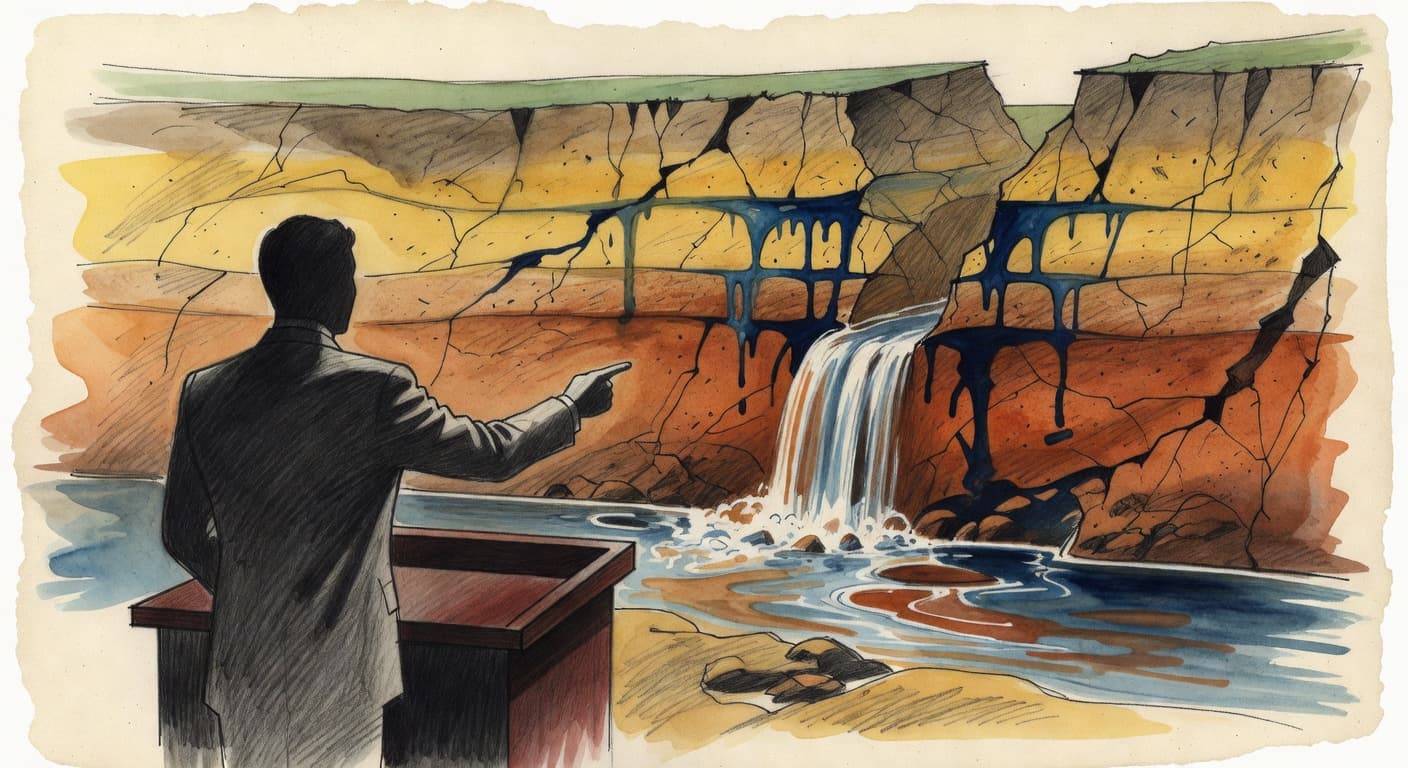
- The case concerned whether the Clean Water Act requires a federal permit when pollutants released into groundwater later travel into nearby navigable waters.
- Who it affects
- The action affected operators whose releases travel through groundwater toward rivers, lakes, or other navigable waters. For example, a facility could face renewed consideration of whether it needs a federal permit for pollution that reaches water indirectly.
Summary: written with AI from the case record.
What it's about
The Supreme Court granted Kinder Morgan’s petition, vacated the Fourth Circuit’s decision, and sent the case back for reconsideration in light of its decision in County of Maui v. Hawaii Wildlife Fund; Kinder Morgan therefore prevailed in the Supreme Court’s disposition, but the Court did not finally resolve the merits of the dispute.
The case was part of a broader dispute over how far the Clean Water Act reaches when pollution takes an indirect path to navigable water.
Question presented
Whether the Clean Water Act regulates the discharge of pollutants into groundwater that eventually migrates into navigable waters.
What the Court decided
Result
Remanded
What's next
The case returned to the lower court for reconsideration under County of Maui v. Hawaii Wildlife Fund. The Supreme Court has finished its action in this docket.
Documents
Docket activity
New analysis added
AI analysis generated: Case Briefing
Case data updated: summary, question_presented, generation_metadata
Status changed from pending to decided
Brief added: Petition
More questions
- What did the Supreme Court do in Kinder Morgan v. Upstate Forever?
- The Court vacated the Fourth Circuit's decision and sent the case back for reconsideration under County of Maui v. Hawaii Wildlife Fund.
- Who could be affected by Kinder Morgan v. Upstate Forever?
- Operators whose pollutants enter groundwater before reaching nearby navigable waters could be affected. Environmental groups and communities near those waters also have an interest.
- What happens next in Kinder Morgan v. Upstate Forever?
- The lower court must reconsider the dispute in light of County of Maui v. Hawaii Wildlife Fund. The Supreme Court's docket action is complete.
Sources
Primary materials plus reporting. Best-effort analysis: this explainer relies on a mix of primary materials and trusted secondary sources. Official filings and opinions remain authoritative.