Early, Warden v. Packer, Ante, P. 3
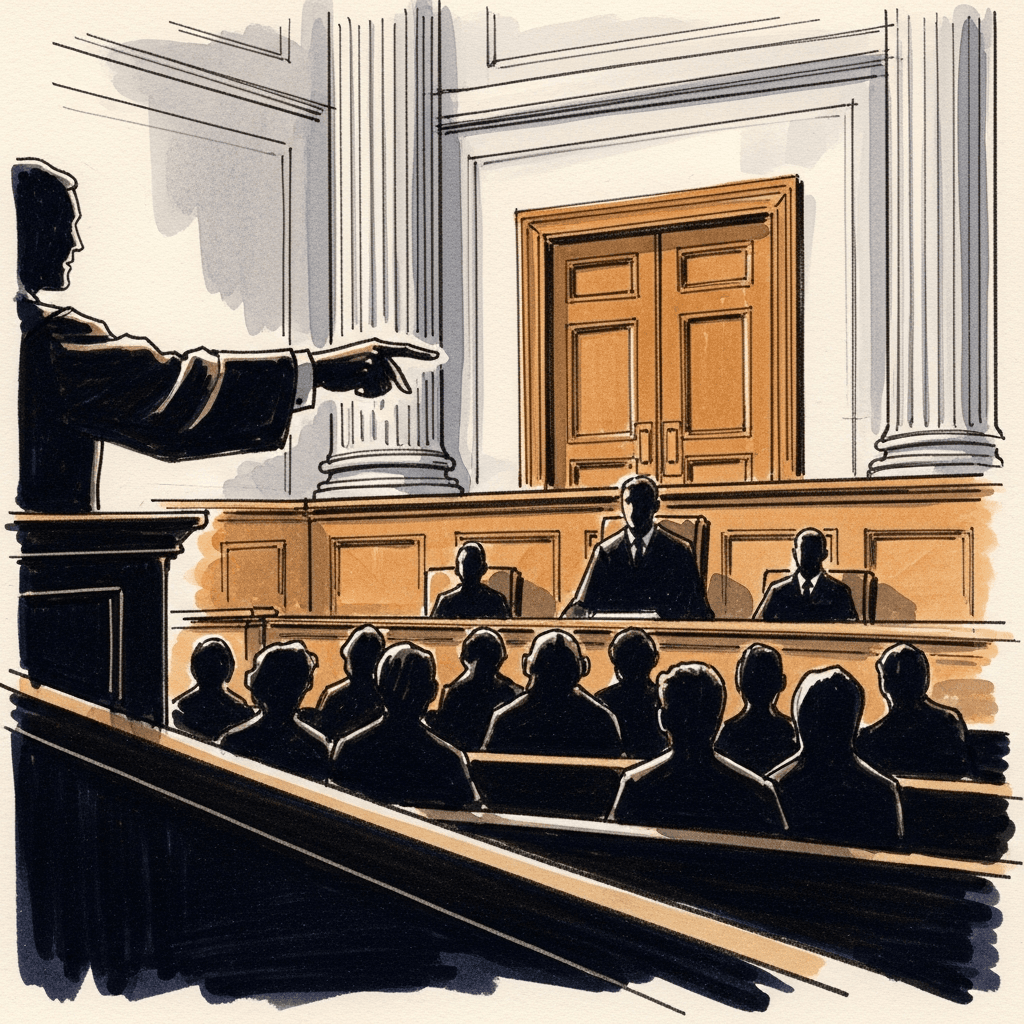
Was a state court’s determination that encouraging the jury to continue deliberations did not coerce a verdict?
- Status
- Decided
- Appeal from
- United States Court of Appeals for the Ninth Circuit
- Review granted
- Nov 4, 2002
- Decision released
- Nov 4, 2002
Briefing
What Happened
The Supreme Court is reviewing whether a state court was wrong to decide that a judge's instructions did not force a jury to reach a verdict. The Ninth Circuit Court of Appeals had previously stepped in to grant relief, but that decision is now being challenged. The main issue is whether the judge's push for the jury to keep deliberating was reasonable or if it crossed the line into coercion.
Why It Matters
This case affects how much power trial judges have to keep a jury working when they are stuck. If judges are allowed to push too hard, it could lead to unfair trials where jurors feel forced to agree just to go home. This impacts anyone involved in a criminal trial, from defendants to the citizens serving on a jury.
The Big Picture
The legal system tries to balance the need for a final decision with the right to a fair trial. Higher courts usually give state courts some room to make their own calls, but they must step in if constitutional rights are at risk. This case looks at the limits of federal oversight over state court decisions regarding jury behavior.
What the Justices Said
No substantive justice or advocate reactions are available yet.
The Bottom Line
The Court must decide if a judge's encouragement to a deadlocked jury was a fair request or an illegal form of pressure.
What's Next
The next major milestone is oral argument or another scheduling move from the Court. After that, the justices will meet in private to discuss the case and eventually release a written opinion. A final decision is expected before the end of the current term.
What is the core dispute in this case?
The dispute centers on whether a trial judge unfairly pressured a jury to reach a verdict. The Court must decide if the state court's handling of the situation was legally acceptable.
What are the real-world consequences for defendants?
If the Court allows more judge pressure, defendants might face verdicts that aren't truly unanimous. This could lead to more convictions in cases where the jury was originally stuck.
What is the specific legal rule being examined?
The Court is looking at whether the state court was reasonable in finding no coercion. They are specifically checking if the judge's instructions violated the right to a fair trial.
What is the next procedural step for the Court?
The case is currently pending and waiting for a scheduled oral argument. Once the arguments are heard, the justices will vote and write their formal opinions.
How does this fit into a broader legal trend?
This case follows a trend of the Supreme Court defining the limits of federal habeas relief (a way for prisoners to challenge their detention). It clarifies when federal courts can overturn state decisions.
Timeline
Sources
Docket plus reporting.
Refreshed Apr 1, 2026.