Alabama v. Bozeman
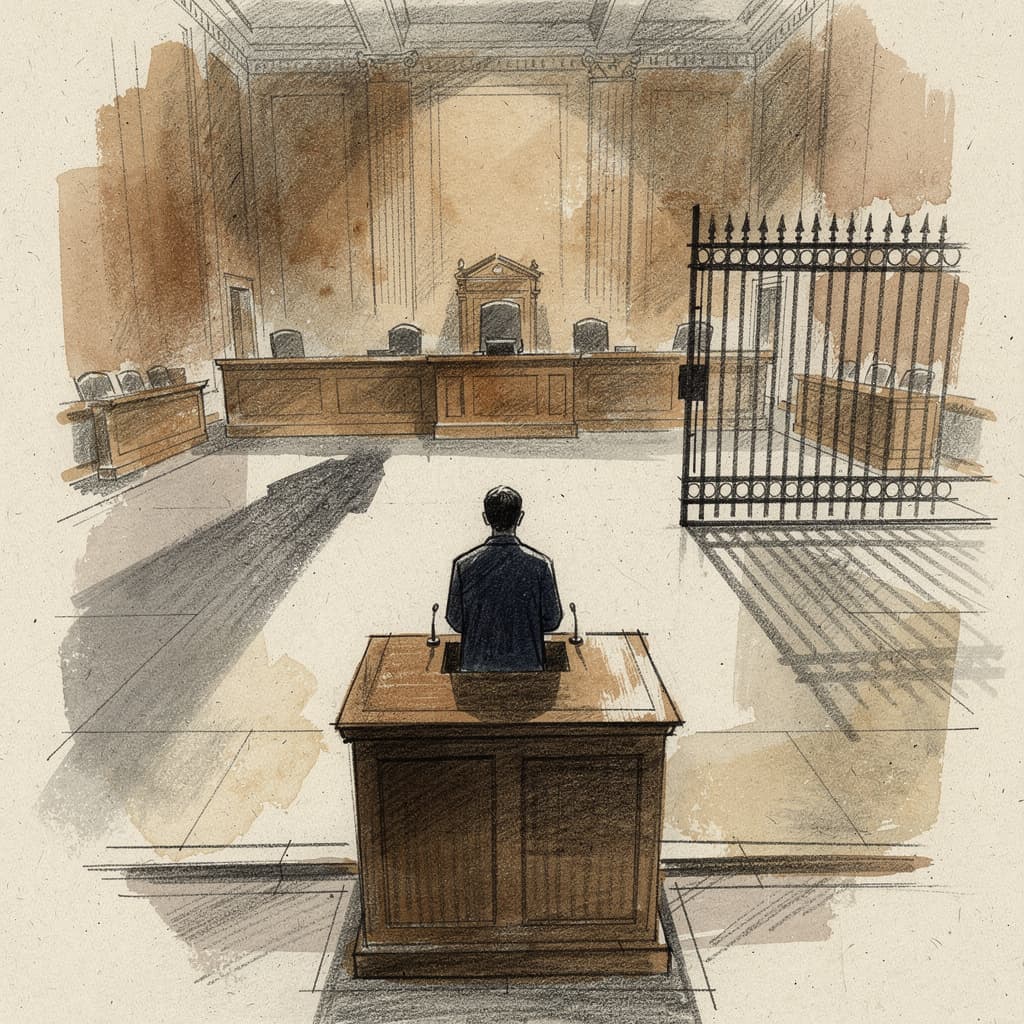
The Court considered whether the Interstate Agreement on Detainers requires the dismissal of charges against a prisoner who is transferred to another state for a single day for arraignment and then returned to his original prison before trial.
- Status
- Awaiting Decision
- Argued
- Apr 17, 2001
Case briefing
Case snapshot
Did transferring Michael Bozeman for one day require Alabama to dismiss his criminal charges?
The Supreme Court ruled that Alabama must dismiss charges against a prisoner because they returned him to federal prison before his trial started. The Court found that the Interstate Agreement on Detainers (IAD) strictly forbids returning a prisoner to their original location until the new case is finished.
How does this ruling protect the rights of prisoners facing charges in multiple states?
This decision ensures that states follow strict rules when moving prisoners across state lines for new trials. It prevents "shuttling" prisoners back and forth, which can disrupt their rehabilitation programs and legal preparation.
Why does the Court insist on following the literal text of interstate legal agreements?
The case centers on the Interstate Agreement on Detainers, a contract between states and the federal government to handle prisoners with multiple cases. The Court emphasized that when a law uses absolute language like "shall be dismissed," judges cannot create their own exceptions.
Why did Justice Breyer reject the idea that a one-day transfer was too small to matter?
In a unanimous 9-0 decision, Justice Stephen Breyer wrote the opinion for the Court, joined by all other justices. The Court agreed that the law's language is absolute and does not allow for even minor violations.
“The language of the Agreement militates against an implicit exception, for it is absolute.”
What is the final word on returning prisoners before their trial is finished?
If a state takes custody of a prisoner from another jurisdiction, they must finish the trial before sending the prisoner back, or the charges will be dropped.
What does this unanimous decision mean for how states handle out-of-state prisoner transfers?
States must now be extremely careful to keep out-of-state prisoners in local custody until their legal business is fully concluded. Any "shuttling" back to the original prison, even for a single day, will result in the permanent dismissal of the pending charges.
What specific law did the Supreme Court use to decide this case?
The Court looked at Article IV(e) of the Interstate Agreement on Detainers (IAD). This law says that if a prisoner is returned to their original prison before trial, the new charges must be dismissed.
How did Alabama defend its decision to return Bozeman to federal prison so quickly?
Alabama argued that the one-day transfer was a trivial violation that did not hurt the prisoner's rehabilitation. They believed the law should have an exception for very short transfers that do not cause real harm.
Why did the Court reject the idea of a 'trivial' exception for this rule?
Justice Breyer wrote that the law's text is absolute and does not mention any exceptions for short periods. Even if exceptions were allowed, the Court felt that a one-day transfer for an arraignment was still a significant legal event.
What happens to Michael Bozeman's charges in Alabama after this Supreme Court ruling?
Because the Supreme Court affirmed the lower court's decision, the criminal charges against Bozeman in Alabama are dismissed with prejudice. This means the state cannot file those specific charges against him ever again.
How does this ruling affect the rehabilitation of prisoners serving long sentences?
The IAD was designed to prevent frequent transfers that interrupt a prisoner's treatment and education programs. By enforcing the "no-return" rule strictly, the Court protects the stability of a prisoner's environment while they wait for trial.
Where things stand
Timeline
Source note
How this page is sourced
Official case materials anchor this page. Reporting is used only to add context and explain the dispute in plain English.
Page data last refreshed Mar 13, 2026.
Context reporting
Recent coverage
In the news
More to watch