Atkinson Trading Co. v. Shirley
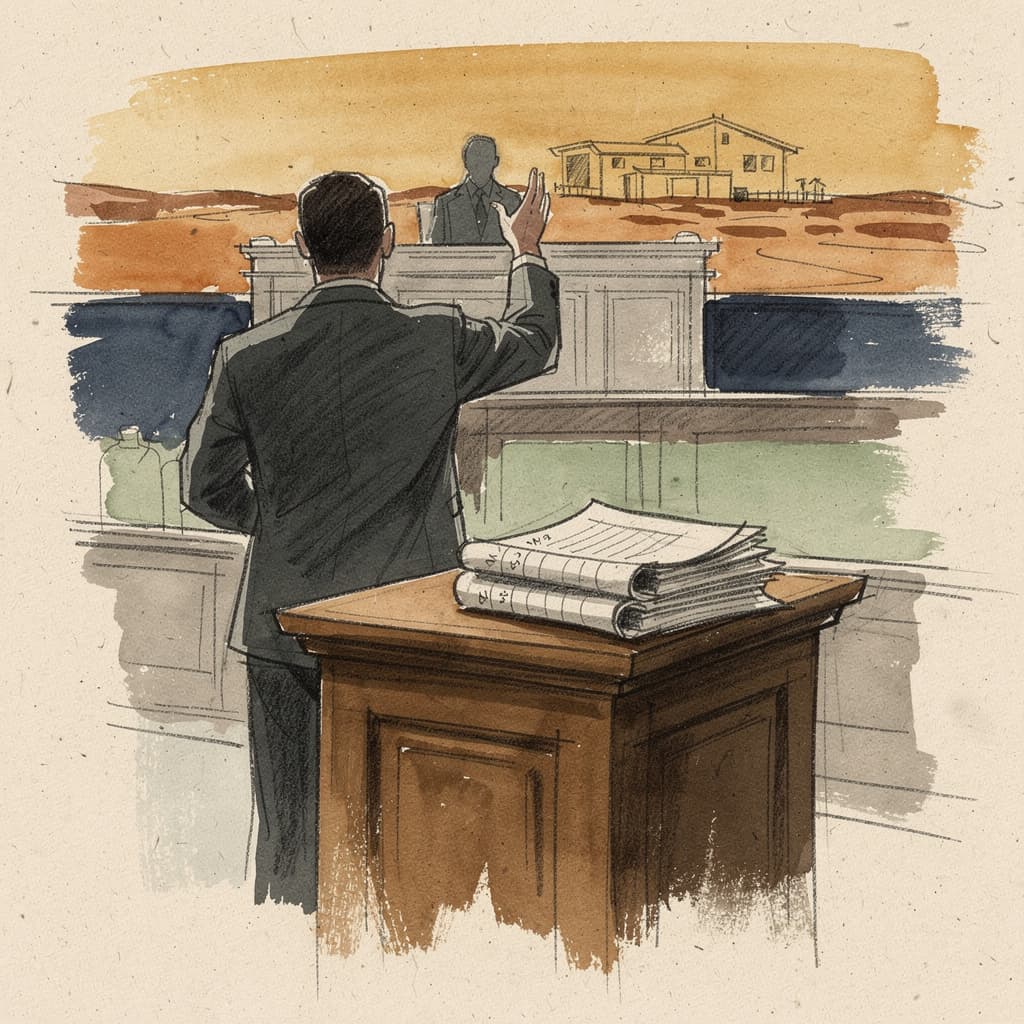
The Supreme Court reviewed whether the Navajo Nation could impose a hotel occupancy tax on non-tribal members staying at a hotel located on non-Indian fee land within the reservation's boundaries. The Court unanimously ruled that the tribe lacked the authority to tax nonmembers on such land, as neither of the exceptions established in previous case law applied.
- Status
- Decided
- Appeal from
- United States Court of Appeals for the Tenth Circuit
- Argued
- Mar 27, 2001
- Decision released
- May 29, 2001
Decision briefing
The case in plain English
Can the Navajo Nation tax hotel guests at a business on private land?
Atkinson Trading Company is challenging a Navajo Nation hotel tax on its Cameron Trading Post business. They argue the tribe cannot tax non-members on private land located within the reservation.
Will this case change how tribal governments collect revenue from non-members?
The decision could impact the financial stability of tribal governments that rely on taxing businesses within their reservations. It also clarifies the rights of non-Indian property owners who operate in tribal territories.
How much power do tribes have over non-Indian property within their borders?
This case centers on the 'Montana rule,' which limits tribal power over non-members on private land unless specific exceptions apply. The Court must determine if taxing power is one of those rare exceptions.
What are the competing arguments about tribal authority and the Montana rule?
Atkinson Trading Company argues that tribes lack authority over non-members on private land. The Navajo Nation claims the tax is valid because the business has a consensual relationship with the tribe.
Will the Court allow tribal taxes on non-members on private land?
The Supreme Court will decide if the Navajo Nation has the power to tax non-members on non-Indian land.
What should we watch for when the Navajo Nation presents its case?
The Court will schedule oral arguments to hear from the trading company and the Navajo Nation. Observers will watch if the justices focus on the tribe's relationship with the business.
What is the Cameron Trading Post and why is it involved?
The Cameron Trading Post is a business on private land within the Navajo Nation Reservation. It includes a hotel and restaurant that the tribe is attempting to tax.
How does the 'Montana v. United States' case influence this dispute?
That case established that tribes usually cannot regulate non-members on non-Indian land. The Court must decide if this rule also applies to a tribe's power to tax.
What are the potential financial consequences for the Navajo Nation?
If the tribe cannot tax these businesses, they may lose a significant source of revenue. This money is often used to provide essential services to the tribal community.
What are the two exceptions that allow tribal authority over non-members?
Tribes can regulate non-members who enter consensual relationships with the tribe or its members. They can also regulate conduct that threatens the tribe's political integrity or health.
What is the next procedural step for the Supreme Court?
The Court must schedule a date for oral arguments. After that, the justices will meet to discuss the case and eventually issue a written decision.
Where things stand
Timeline
Source note
How this page is sourced
Official case materials anchor this page. Reporting is used only to add context and explain the dispute in plain English.
Page data last refreshed Mar 31, 2026.
Recent coverage
In the news
More to watch