Department of Housing and Urban Development v. Rucker
```json {
- Status
- Decided
- Appeal from
- United States Court of Appeals for the Ninth Circuit
- Argued
- Feb 19, 2002
- Decision released
- Mar 26, 2002
Decision briefing
The case in plain English
What Happened
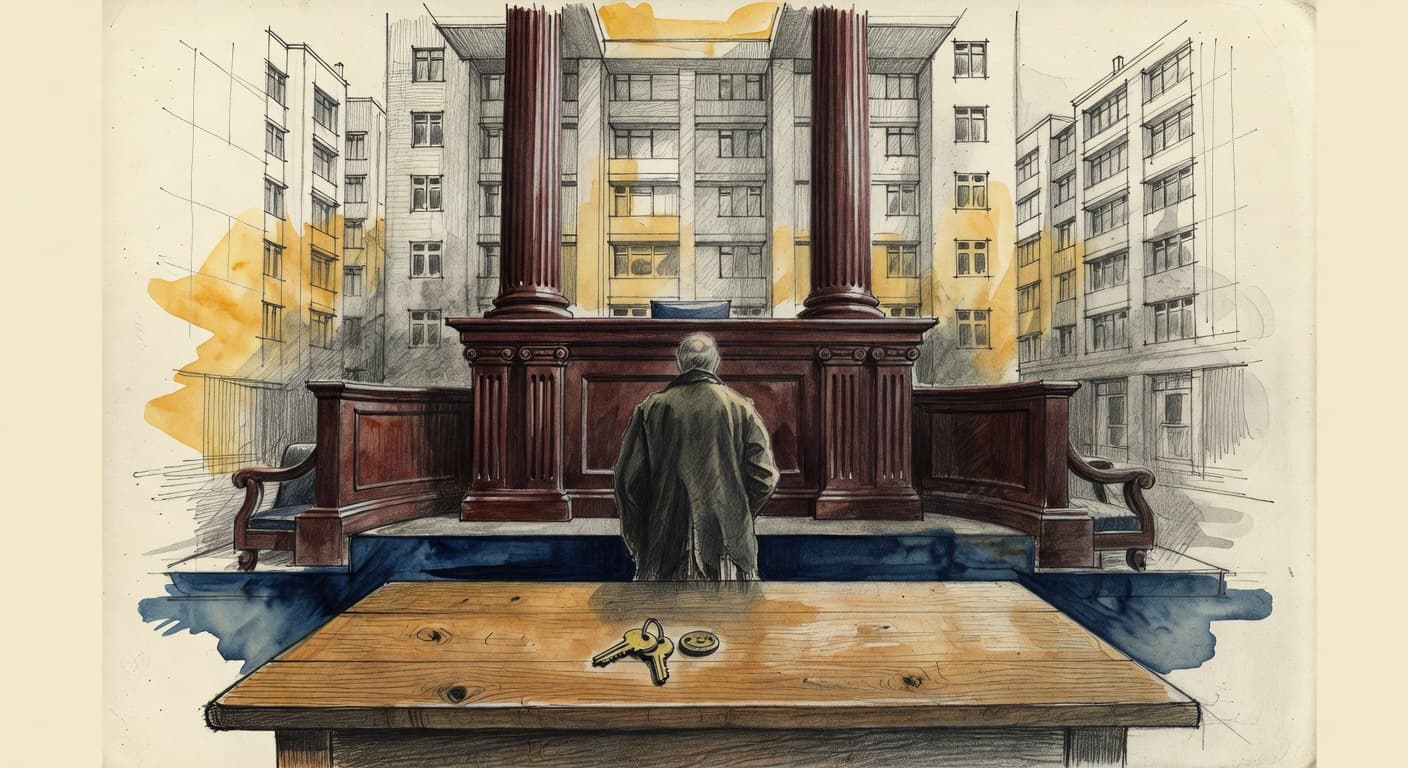
The Supreme Court ruled that public housing authorities can evict tenants for drug-related crimes committed by household members or guests. The Court held that this applies even if the tenant did not know about the illegal activity. The decision was based on a federal law meant to keep public housing safe and drug-free.
Why It Matters
This ruling means that a tenant can lose their home because of a relative's secret drug use. It gives local housing agencies broad power to enforce 'one-strike' eviction policies to maintain safety. This affects millions of low-income residents who rely on government-funded housing.
The Big Picture
The case focused on the Anti-Drug Abuse Act of 1988, which was passed during a time of high concern over drug epidemics. It highlights the legal tension between protecting innocent tenants and the government's goal of eliminating drugs from public housing projects.
What the Justices Said
The Court voted 8-0 to uphold the law. Chief Justice William Rehnquist wrote the majority opinion, which was joined by seven other justices.
“The Anti-Drug Abuse Act of 1988 unambiguously requires lease terms that vest local public housing authorities with the discretion to evict tenants.”
The Bottom Line
Public housing tenants are legally responsible for the drug-related actions of their guests and family members, regardless of their own knowledge.
What's Next
Watch for how lower courts and housing agencies respond to this ruling. Local authorities will now have clear legal support to use strict eviction rules for drug-related activity.
What was the core dispute in this case?
The dispute was whether the law allowed evicting tenants who did not know their guests were involved in drug activity. The Court had to decide if the law required proof of the tenant's knowledge.
What are the real-world consequences for public housing residents?
Residents face a 'zero-tolerance' policy where one drug-related incident by a guest can lead to homelessness. This places a heavy burden on tenants to monitor everyone in their home.
What legal rule did the Court establish with this decision?
The Court established that the federal law is unambiguous and does not require tenants to have knowledge of the drug activity. Housing authorities have the discretion to evict based on the lease terms.
What is the next procedural step for this case?
The ruling will be applied by lower courts and local housing agencies. These groups will now follow the Supreme Court's interpretation when handling future eviction disputes.
How does this case reflect a broader trend in law?
It reflects a strict approach to drug enforcement in government-subsidized areas. The ruling prioritizes the safety of the entire housing community over the rights of individual 'innocent' tenants.
Where things stand
Timeline
Source note
How this page is sourced
Official case materials anchor this page. Reporting is used only to add context and explain the dispute in plain English.
Page data last refreshed Mar 31, 2026.
Recent coverage
In the news
More to watch