United States v. Arvizu
In brief
The Court found that the combined circumstances gave Stoddard enough reason to stop Arvizu, overturned the Ninth Circuit's ruling and sent the case back.
- Where it stands
- Decided
Decided 9-0 · January 15, 2002 · Opinion by Justice Rehnquist
- What it’s about
- A Border Patrol agent stopped Ralph Arvizu's vehicle based on several seemingly innocent factors that, when taken together, raised suspicion of illegal activity.
- Who it affects
- Judges reviewing brief stops must weigh all the circumstances together and give due weight to reasonable inferences drawn by officers and trial judges.
Summary: written with AI from the case record.
What it's about
The Supreme Court ruled that courts must consider the totality of the circumstances when determining if an officer had reasonable suspicion for a stop under the Fourth Amendment.
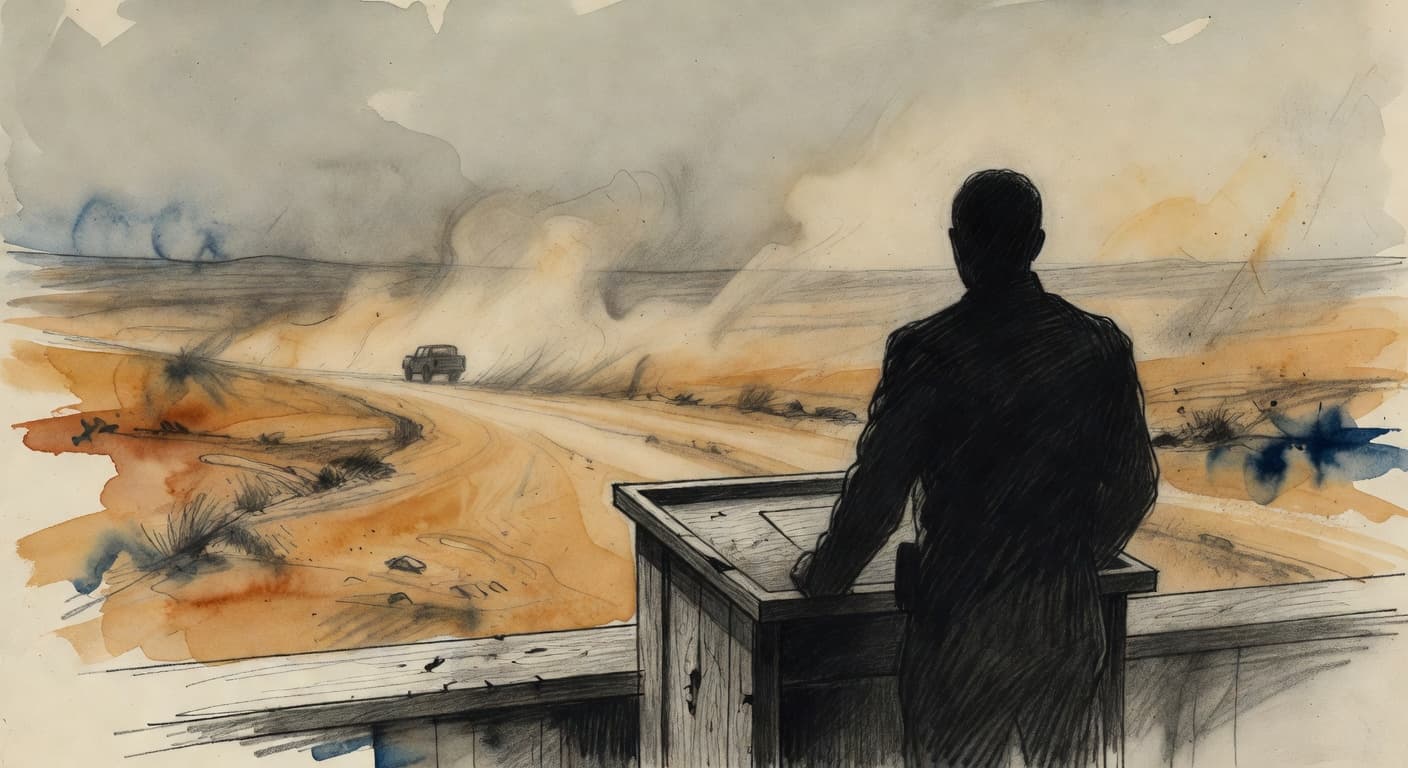
The dispute arose after a Border Patrol agent relied on several factors that seemed innocent when viewed separately.
Question presented
Did a border agent have reasonable suspicion to believe that Ralph Arvizu was engaged in illegal activity based on a number of factors?
What the Court decided
Holding
Considering the totality of the circumstances and giving due weight to the factual inferences drawn by Stoddard and the District Court Judge, Stoddard had reasonable suspicion to believe that respondent was engaged in illegal activity. Because the "balance between the public interest and the individual's right to personal security," United States v. Brignoni-Ponce, 422 U. S. 873, 878, tilts in favor of a standard less than probable cause in brief investigatory stops of persons or vehicles, the Fourth Amendment is satisfied if the officer's action is supported by reasonable suspicion to believe that criminal activity "may be afoot," United States v. Sokolow, 490 U. S. 1, 7. 232 F. 3d 1241, reversed and remanded.
- Result
- Reversed
The Court's reasoning
The Court said judges must weigh all the circumstances together and give due weight to conclusions drawn from the facts by agent Stoddard and the trial judge. It found the combined facts gave Stoddard a reasonable, fact-based reason to suspect crime (reasonable suspicion), enough for a brief investigative stop.
The vote
- Joined the judgment
- Wrote an opinion
- Majority · 9joined the Court's opinion
- Rehnquistwrote the opinion
- Stevens
- O'Connor
- Scaliaalso wrote separately
- Kennedy
- Souter
- Thomas
- Ginsburg
- Breyer
What's next
The case returns to the Ninth Circuit for further proceedings under the Supreme Court's ruling.
Documents
Opinions
Docket activity
New analysis added
AI analysis generated: Case Briefing
New analysis added
AI analysis generated: Impact Analysis
AI analysis generated: Opinion Summary
Show 4 moreShow fewer
AI analysis generated: Decision Record
New analysis added
Case data updated: term, status, opinion_date
Opinion added: Arvizu
More questions
- How much proof did a brief stop require?
- The Court said an officer needs a reasonable basis to suspect crime may be underway, a lower standard than probable cause (a stronger legal standard).
- Did the Court assess each factor on its own?
- No. It considered the circumstances together and gave due weight to conclusions drawn from the facts by Stoddard and the trial judge.
- What did Justice Scalia question?
- He agreed with the Court's opinion but questioned how judges could review the case independently while still giving weight to the trial judge's conclusions from the facts.
Sources
News reporting and legal analysis. Best-effort analysis: this explainer relies on trusted secondary sources and may be updated as primary materials become available. Official filings and opinions remain authoritative.