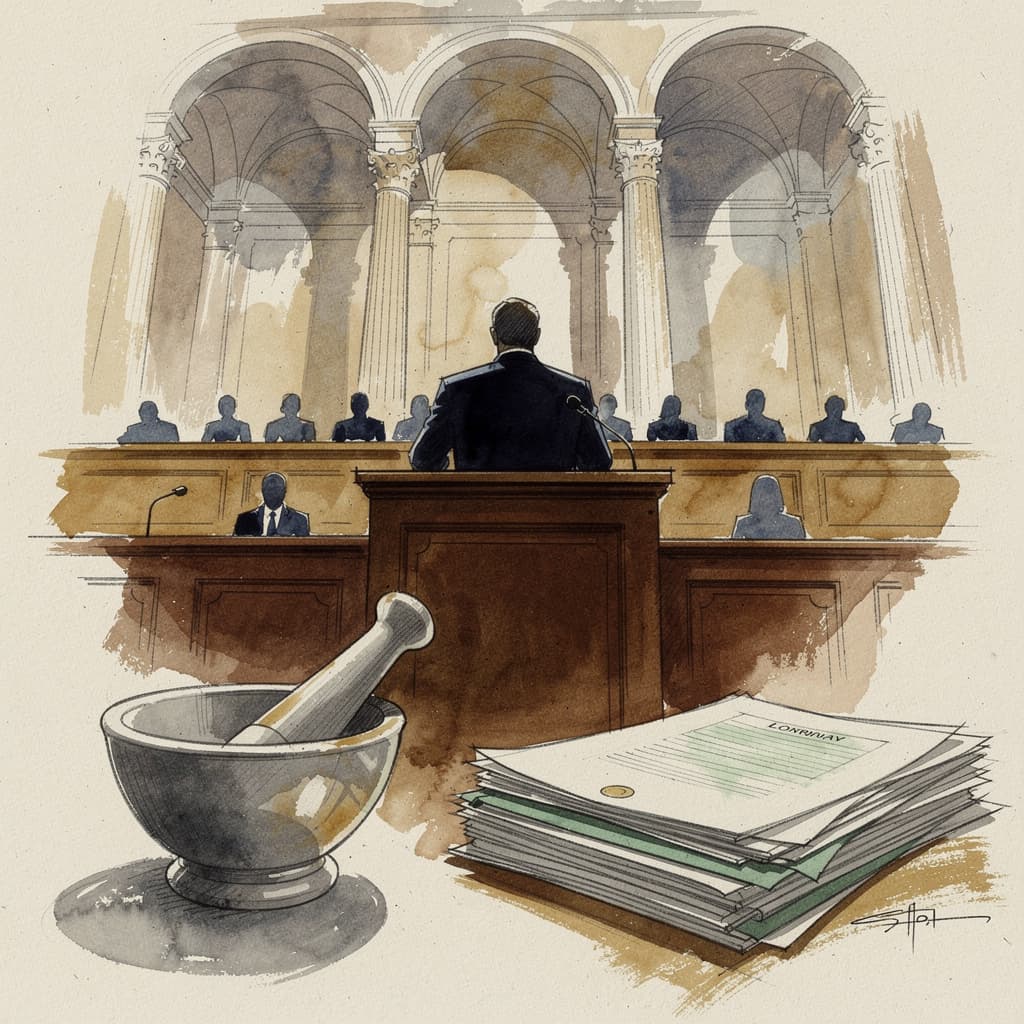
United States v. OAKLAND CANNABIS BUYERS'COOPERATIVE
```json {
- Status
- Decided
- Appeal from
- United States Court of Appeals for the Ninth Circuit
- Argued
- Mar 28, 2001
- Decision released
- May 14, 2001
Decision briefing
The case in plain English
What Happened
The Supreme Court ruled that federal law does not allow a medical necessity (a defense used in emergencies to prevent greater harm) exception for distributing marijuana. The Court found that the Controlled Substances Act already determined that marijuana has no accepted medical use, so courts cannot create their own exceptions.
Why It Matters
This ruling means that federal authorities can shut down medical marijuana cooperatives even in states where they are legal. It affects patients who rely on these organizations for treatment and the groups that provide the drug.
The Big Picture
This case highlights the tension between state laws that permit medical marijuana and federal laws that strictly ban it. It clarifies that federal drug laws take priority over local medical needs when it comes to the distribution of illegal substances.
What the Justices Said
The Court ruled 8-0 that the law provides no exception for medical necessity. Justice Thomas wrote the majority opinion, which was joined by seven other justices.
“there is no medical necessity exception to the Controlled Substances Act's prohibitions on manufacturing and distributing marijuana”
The Bottom Line
Federal law prohibits the distribution of marijuana even if it is intended for medical purposes.
What's Next
Watch for how lower courts and federal agencies handle medical marijuana cases in states where it is legal. The ruling leaves the door open for future debates on whether individual patients, rather than large distributors, can use a necessity defense.
What was the main legal question in this case?
The Court had to decide if a medical necessity defense could protect a cooperative from federal drug charges. They looked at whether the Controlled Substances Act allowed for any exceptions based on health needs.
How does this ruling affect medical marijuana users?
Patients may lose access to organized distribution centers even if their state allows medical use. Federal agents can continue to enforce drug bans against these cooperatives regardless of local laws.
What specific rule did the Court establish?
The Court held that the federal ban on manufacturing and distributing marijuana has no medical necessity exception. This means federal law does not recognize marijuana as having a valid medical use.
What happens now that the Supreme Court has ruled?
The case returns to lower courts to enforce the ruling against the Oakland cooperative. Other similar organizations across the country must now operate under the risk of federal prosecution.
How does this case fit into the larger debate over drug laws?
It shows the Supreme Court's strict interpretation of federal drug statutes over state-level reforms. This creates a lasting conflict between federal enforcement and the growing movement for legal medical marijuana.
Where things stand
Timeline
Source note
How this page is sourced
Official case materials anchor this page. Reporting is used only to add context and explain the dispute in plain English.
Page data last refreshed Mar 31, 2026.
Recent coverage
In the news
More to watch