Thomas v. Chicago Park Dist.
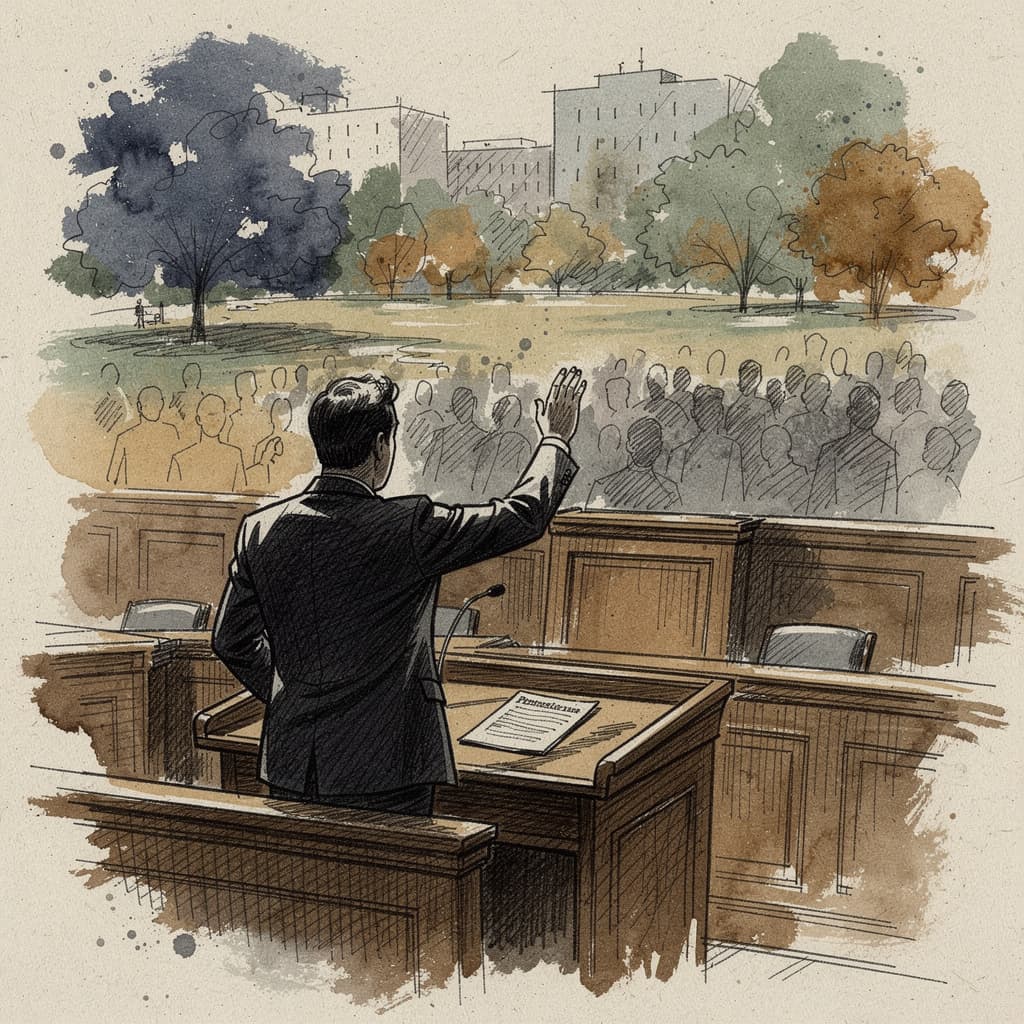
The Court considered whether a Chicago ordinance requiring permits for large park events violated the First Amendment by failing to include strict procedural safeguards typically required for censorship schemes. In a unanimous decision, the justices ruled that because the permit system was content-neutral and focused on time, place, and manner regulations rather than censorship, it did not require those specific procedural protections.
- Status
- Decided
- Appeal from
- United States Court of Appeals for the Seventh Circuit
- Argued
- Dec 3, 2001
- Decision released
- Jan 15, 2002
Decision briefing
The case in plain English
What Happened
The Supreme Court ruled that a Chicago park permit system did not violate the First Amendment. The Court found that because the rules applied to everyone regardless of their message, they did not need the strict legal protections used for censorship schemes.
Why It Matters
This decision allows cities to manage public spaces without facing heavy legal burdens for every permit denial. It affects any group or individual wanting to hold a large rally, festival, or protest in a public park.
The Big Picture
The case clarifies the difference between content-neutral rules, which regulate the time and place of speech, and content-based censorship. It ensures that local governments can keep parks safe and orderly while still respecting the right to free expression.
What the Justices Said
The Court ruled 9-0 to uphold the ordinance, with Justice Scalia writing the majority opinion joined by all other justices.
“the First Amendment free speech guarantee does not require the Park District to initiate litigation”
The Bottom Line
Cities can require permits for large park events as long as the rules are fair and do not target specific ideas.
What's Next
Watch for how lower courts, agencies, or affected parties respond to the ruling. Local governments may use this ruling to defend their own permit systems for public protests and events.
Why did the organizers challenge the Chicago Park District's permit rules?
They argued the rules lacked procedural safeguards required by the First Amendment to prevent censorship. They believed the city had too much power to deny permits.
How does this ruling affect people planning a large protest in a city park?
Organizers must follow local permit rules even if they find the application process difficult. The city can deny permits for safety reasons without going to court first.
What is the difference between a content-neutral rule and censorship?
Content-neutral rules apply to everyone equally regardless of their message. Censorship specifically targets certain viewpoints or topics for restriction.
What happens now that the Supreme Court has issued its final decision?
The ruling is final and cannot be appealed further. Lower courts must now apply this standard to similar permit disputes across the country.
How does this case fit into the history of free speech in public spaces?
It reinforces the idea that the government can regulate the time, place, and manner of speech. This helps maintain public order in shared spaces like parks.
Where things stand
Timeline
Source note
How this page is sourced
Official case materials anchor this page. Reporting is used only to add context and explain the dispute in plain English.
Page data last refreshed Mar 31, 2026.
Recent coverage
In the news
More to watch