Liability for withheld mail
United States Postal Service v. Konan
In brief
The Postal Service is shielded from Konan's lawsuit under the federal postal-matter exception, even though she alleged intentional nondelivery.
- Where it stands
- Decided
Decided 5-4 · February 24, 2026 · Opinion by Justice Thomas
- What it’s about
- The Supreme Court held that the Federal Tort Claims Act's postal exception covers suits against the United States for the intentional nondelivery of mail.
- Who it affects
- People generally cannot sue the United States under this law for mail that was intentionally not delivered, not just mail lost through carelessness. That affects customers, landlords, and businesses that say Postal Service workers withheld their mail.
Summary: written with AI from the case record.
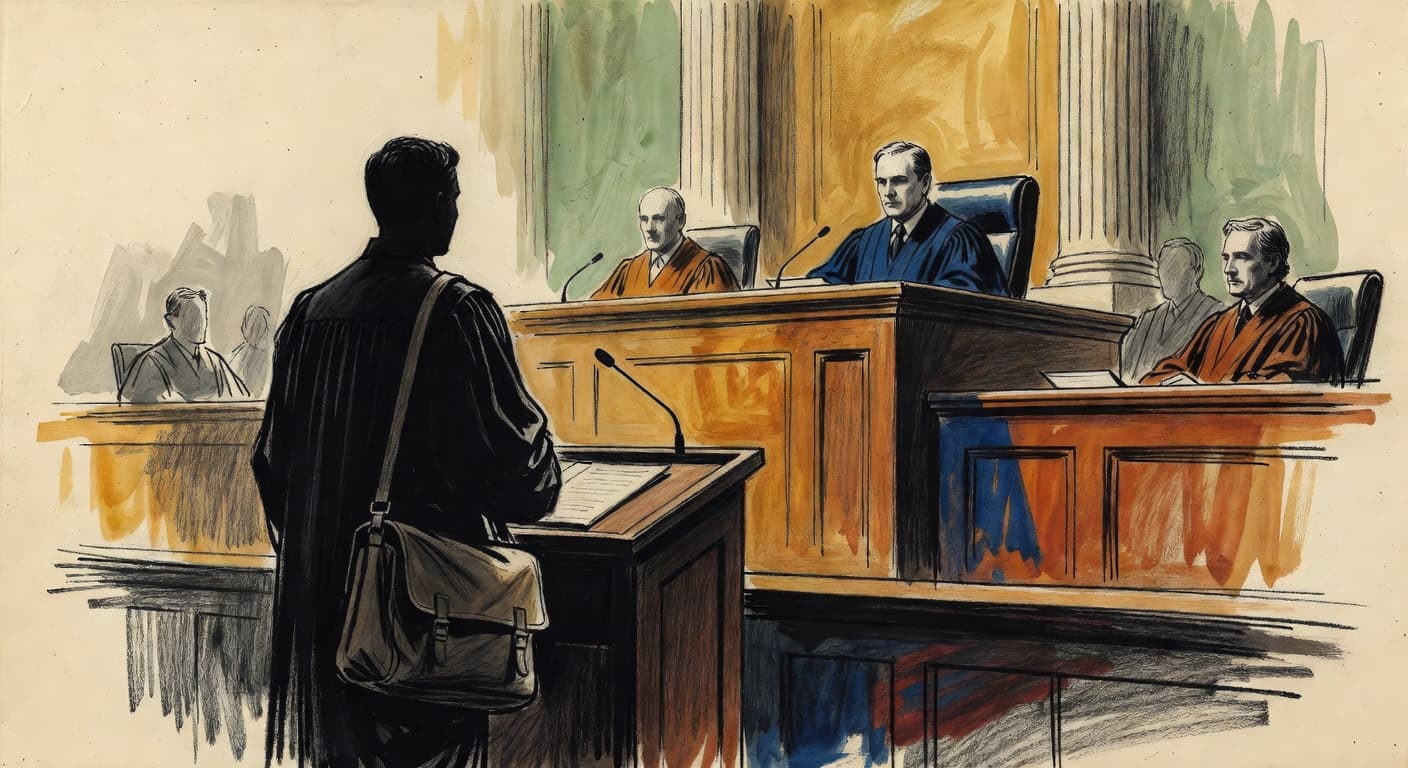
What it's about
The ruling reversed a lower court decision and shielded the Postal Service from a lawsuit by a landlord who alleged mail carriers withheld delivery to her rental properties due to racial animus.
The decision defines the reach of a federal-law exception that limits lawsuits against the government involving postal matter.
Question presented
Does a claim that Postal Service employees intentionally refused to deliver mail to a designated address arise out of “the loss” or “miscarriage” of postal matter under the Federal Tort Claims Act’s postal-matter exception?
What the Court decided
The vote
What's next
Lower courts must apply the Court's reading of the exception in similar suits against the United States. Konan's claim cannot proceed on the theory rejected by the Court.
Docket activity
New analysis added
AI analysis generated: Impact Analysis
AI analysis generated: Opinion Summary
New analysis added
AI analysis generated: Case Briefing
Show 7 moreShow fewer
New analysis added
New analysis added
Status changed from argued to decided
Judgment VACATED and case REMANDED. Thomas, J., delivered the opinion of the Court, in which Roberts, C. J., and Alito, Kavanaugh, and Barrett, JJ., joined. Sotomayor, J., filed a dissenting opinion, in which Kagan, Gorsuch, and Jackson, JJ., joined.
Opinion added: Opinion of the Court - T
Opinion added: opinion
Audio Recording added: Oral Arguments - Konan
More questions
- What did the Supreme Court rule in United States Postal Service v. Konan?
- The Court said intentional nondelivery of mail falls within the federal postal exception. It reversed the Fifth Circuit and barred Konan's suit under that law.
- Who is affected by the Konan decision?
- Postal customers, landlords, and businesses alleging withheld mail may be affected. They generally cannot use this federal law to sue the United States over intentional nondelivery.
- What happens next after the Konan decision?
- Lower courts will follow the Court's interpretation in similar cases. Konan's lawsuit cannot continue under the claim the Court found barred.
Sources
Primary materials plus reporting. Best-effort analysis: this explainer relies on a mix of primary materials and trusted secondary sources. Official filings and opinions remain authoritative.