Cid C. Franklin, Petitioner v. New York
This case involves a petition for a writ of certiorari submitted to Justice Sotomayor regarding a decision by the Court of Appeals of New York.
- Status
- Decided
- Appeal from
- Court of Appeals of New York
- Decision released
- Mar 24, 2025
Decision briefing
The case in plain English
How did the Supreme Court rule on forensic reports in Franklin v. New York?
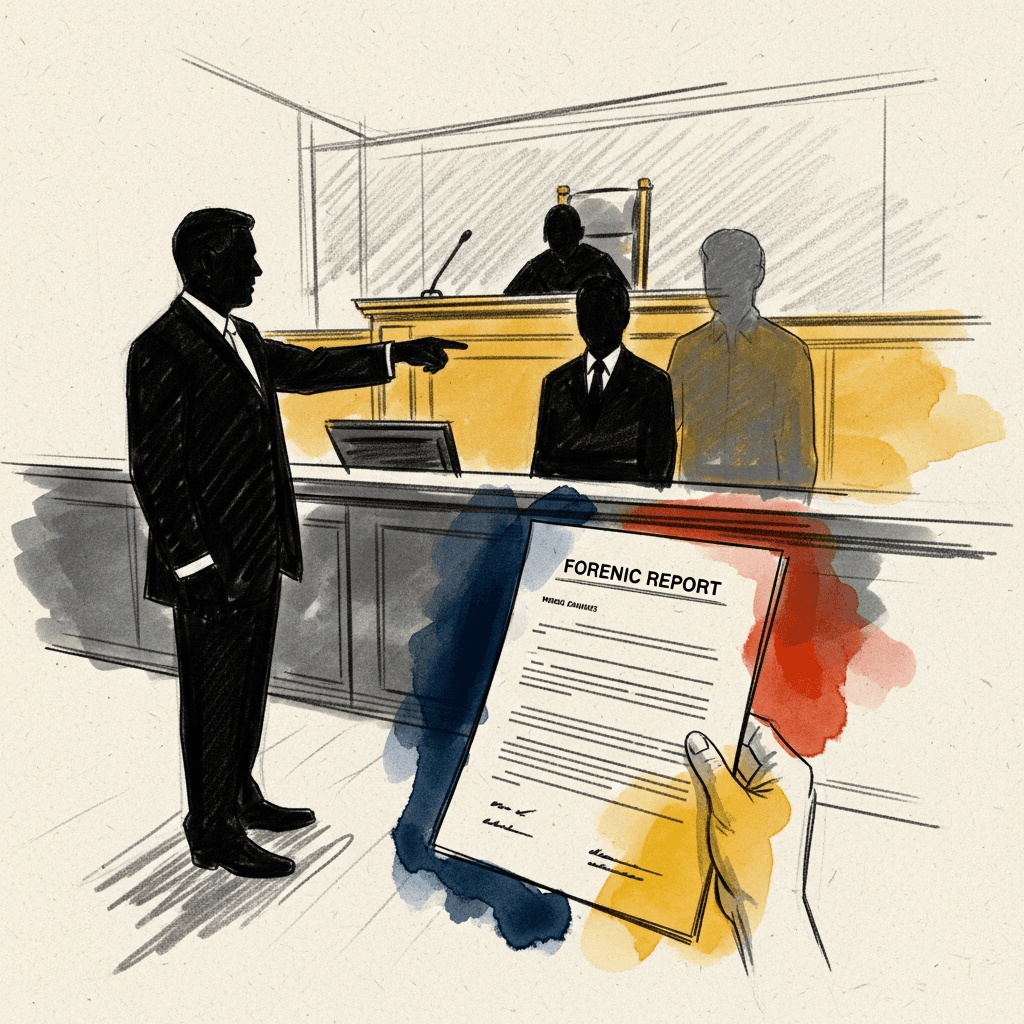
The Supreme Court addressed whether the prosecution can use a forensic report as evidence if the person who actually did the testing does not testify. The Court looked at whether using a 'surrogate analyst'—someone who did not perform or observe the test—violates the Sixth Amendment. The case specifically focused on the Confrontation Clause, which gives defendants the right to face the witnesses against them.
Why does this decision affect the rights of the accused?
This ruling impacts how DNA, drug tests, and other lab results are presented in criminal trials across the country. If the person who did the work isn't in court, the defendant cannot ask them questions about potential mistakes or lab procedures. This affects thousands of cases where forensic evidence is the primary proof of a crime.
How does the Sixth Amendment protect defendants from hearsay evidence?
The legal system has long debated what counts as 'testimonial' evidence that requires a witness to appear in person. This case follows a series of past decisions trying to balance efficient court proceedings with the constitutional right to cross-examine witnesses. It centers on the integrity of forensic science and the transparency of the trial process.
What was the Court's reasoning regarding the Confrontation Clause?
The Court issued its decision on March 24, 2025, regarding the use of forensic reports through surrogate testimony. However, the specific vote count and individual justice opinions were not detailed in the provided records.
What is the final word on using surrogate analysts in court?
The Supreme Court has ruled on whether prosecutors can introduce forensic lab results without calling the specific analyst who performed the test to the stand.
How will this ruling change future criminal trials?
Lower courts must now apply this standard to determine if forensic reports currently being used in trials are constitutional. Defense attorneys will likely challenge any evidence where the original lab technician is not available for questioning. Legal experts will watch for how state crime labs adjust their staffing and testimony policies.
What was the core dispute in Franklin v. New York?
The dispute was whether a 'surrogate analyst' could testify about a forensic report they did not create. The defendant argued this violated his right to confront his accusers.
What are the real-world consequences for crime labs?
Labs may need to ensure the specific scientists who perform tests are available for trial. This could lead to scheduling delays or higher costs for the justice system.
What legal rule did the Court examine?
The Court examined the Confrontation Clause of the Sixth Amendment. This rule generally requires that 'testimonial' statements be supported by live testimony from the person who made them.
What is the next procedural step for this case?
The case will likely return to the lower courts to be resolved based on the Supreme Court's guidance. Observers should watch how agencies and affected parties respond to the ruling.
How does this fit into broader legal trends?
This case continues a long-running trend of the Court defining the limits of hearsay evidence. It clarifies how modern forensic science must comply with centuries-old constitutional protections.
Where things stand
Timeline
Source note
How this page is sourced
Official case materials anchor this page. Reporting is used only to add context and explain the dispute in plain English.
Page data last refreshed Mar 9, 2026.
Primary materials
Documents & resources
Opinions
Briefs
Recent coverage
In the news
More to watch