Simon A. Soto, Individually and on Behalf of All Others Similarly Situated v. United States
In brief
Disabled combat veterans' CRSC claims are not limited by the Barring Act's six-year deadline.
- Where it stands
- Decided
Decided 9-0 · June 12, 2025 · Opinion by Justice Thomas
- What it’s about
- The Supreme Court ruled that the statute governing Combat-Related Special Compensation (CRSC) for disabled veterans establishes its own claims settlement process, thereby superseding the Barring Act's default six-year statute of limitations for claims against the government.
- Who it affects
- Medically retired combat veterans may seek retroactive Combat-Related Special Compensation beyond six years. For example, a veteran whose eligible benefits began more than six years ago may be able to recover older unpaid amounts.
Summary: written with AI from the case record.
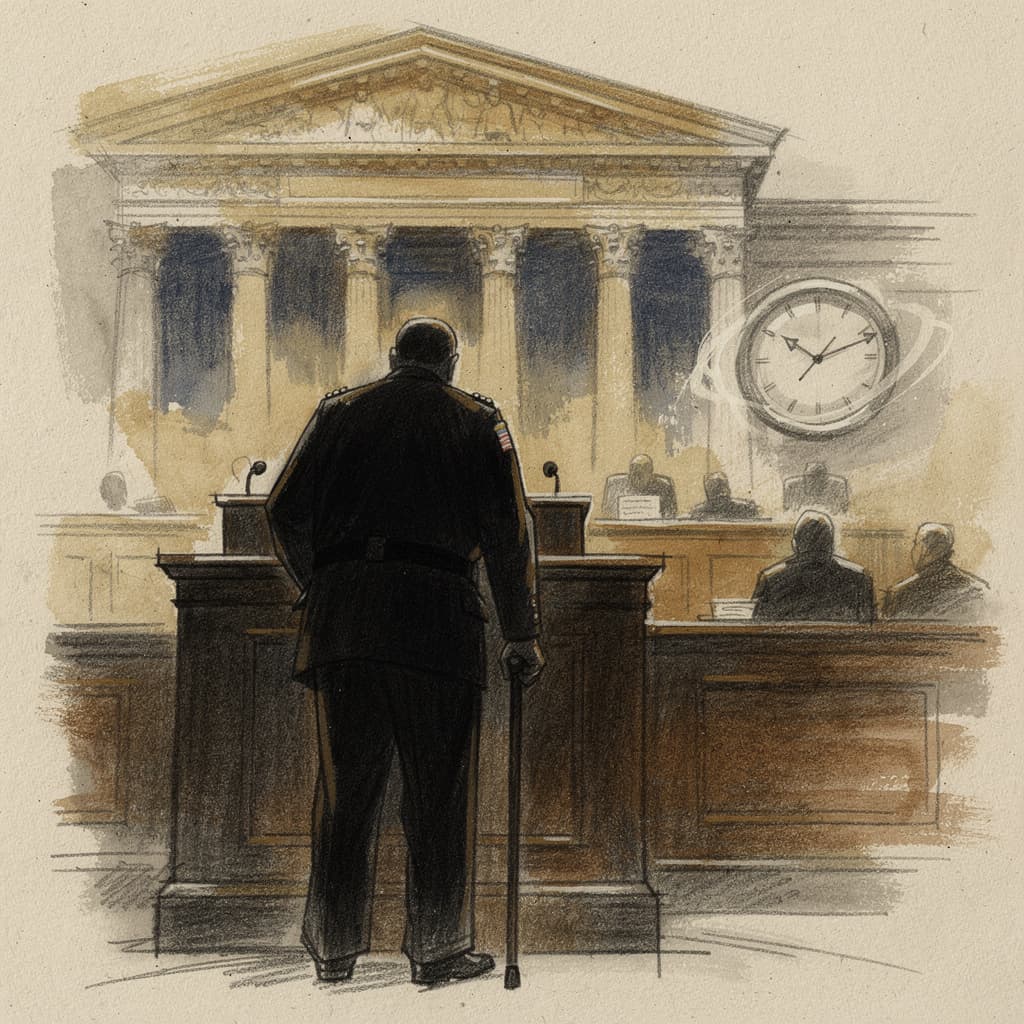
What it's about
This decision allows veterans like Simon Soto to recover retroactive benefits beyond the six-year cap previously imposed by the military.
The decision addresses when a benefit-specific law overrides a general deadline for claims against the federal government.
Question presented
When disabled combat veterans claim past-due compensation, should the military use the CRSC statute's rules to calculate how far back they can be paid, or should it use the Barring Act's six-year limit?
What the Court decided
Holding
The CRSC statute confers authority to settle CRSC claims and thus displaces the Barring Act’s settlement procedures and limitations period. 92 F. 4th 1094, reversed and remanded.
- Result
- Reversed
The vote
From the opinions
“The CRSC statute confers authority to settle CRSC claims and thus displaces the Barring Act’s settlement procedures and limitations period.”
What's next
The Federal Circuit must handle the case consistently with the Supreme Court's decision. Military agencies must apply the CRSC statute's claims process rather than the Barring Act's six-year limit to these claims.
Documents
Docket activity
New analysis added
AI analysis generated: Impact Analysis
AI analysis generated: Opinion Summary
New analysis added
AI analysis generated: Case Briefing
Show 7 moreShow fewer
AI analysis generated: Decision Record
Status changed from unknown to unknown
Status changed from unknown to unknown
Opinion added: Soto
Opinion added: opinion
Audio Recording added: Oral Arguments - Soto
Status changed from unknown to unknown
More questions
- What did the Supreme Court rule in Soto v. United States?
- The Court said the CRSC statute's settlement process replaces the Barring Act's six-year limit for CRSC claims.
- Who won Soto v. United States?
- Simon Soto and other disabled combat veterans prevailed. The Court reversed the Federal Circuit's decision.
- What does Soto mean for disabled combat veterans?
- Eligible medically retired combat veterans may seek unpaid CRSC benefits reaching back beyond six years.
- Is the Barring Act's six-year limit still the law after Soto?
- Yes, but it does not control CRSC claims because the CRSC statute supplies its own settlement process.
- What happens next in Soto v. United States?
- The case returns to the Federal Circuit. Military agencies must apply the Supreme Court's interpretation when settling CRSC claims.
Sources
Primary materials plus reporting. Best-effort analysis: this explainer relies on a mix of primary materials and trusted secondary sources. Official filings and opinions remain authoritative.