Robert F. Kennedy, Jr. v. Braidwood Management
In brief
The Court upheld the Task Force's appointment and supervision structure and sent the case back to the Fifth Circuit.
- Where it stands
- Decided
Decided 6-3 · June 27, 2025 · Opinion by Justice Kavanaugh
- What it’s about
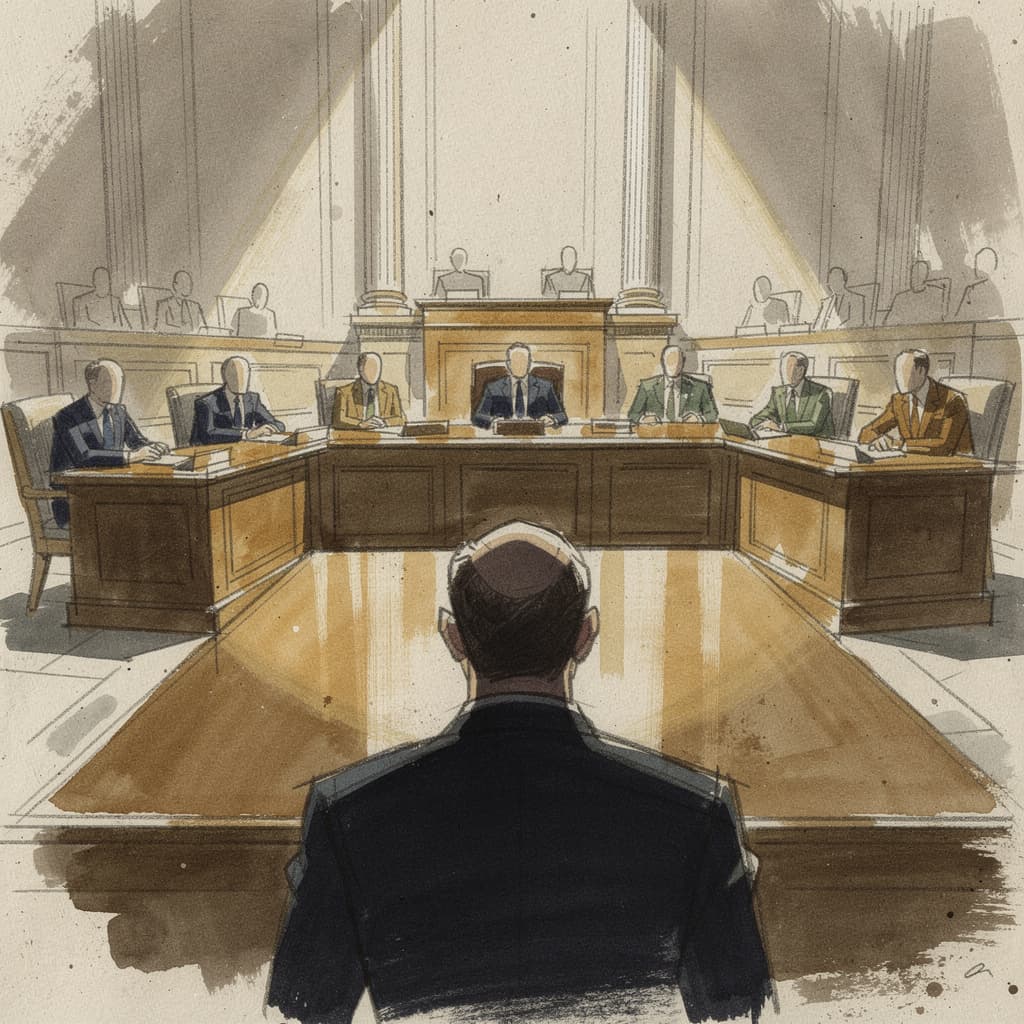
- The Court considered whether the structure of the U.S. Preventive Services Task Force, whose members determine mandatory insurance coverage for preventive care, violates the Constitution's Appointments Clause.
- Who it affects
- The decision leaves the Task Force's recommendations in place as a basis for mandatory insurance coverage of preventive care. People with health insurance may be affected by coverage for preventive healthcare treatments recommended by the Task Force.
Summary: written with AI from the case record.
What it's about
The Court held that the Task Force members are inferior officers properly appointed and supervised by the Secretary of Health and Human Services, reversing the lower court's decision.
The case tested how much authority a Cabinet secretary must have over officials whose recommendations carry legal force.
Question presented
Does the structure of the U.S. Preventive Services Task Force violate the Constitution’s Appointments Clause, and if so, is the provision that insulates the task force from the Health & Human Services secretary’s supervision severable from the rest of the statute?
What the Court decided
Holding
Task Force members are inferior officers whose appointment by the Secretary of HHS is consistent with the Appointments Clause. 104 F. 4th 930, reversed and remanded.
- Result
- Reversed
The vote
From the opinions
“Task Force members are inferior officers whose appointment by the Secretary of HHS is consistent with the Appointments Clause.”
“To promote democratic accountability, the Appointments Clause establishes a default rule that all Executive Branch officers must be appointed by the President with the Senate’s approval.”
What's next
The Fifth Circuit must proceed with the case under the Supreme Court's decision. HHS and insurers can continue operating with Task Force members treated as properly appointed and supervised by the HHS secretary.
Documents
Docket activity
New analysis added
AI analysis generated: Impact Analysis
AI analysis generated: Opinion Summary
New analysis added
New analysis added
Show 7 moreShow fewer
AI analysis generated: Case Briefing
AI analysis generated: Decision Record
Status changed from unknown to unknown
Status changed from unknown to unknown
Opinion added: opinion
Opinion added: Opinion
Audio Recording added: Oral Arguments - Kennedy, Sec. of H&HS v. Braidwood Mgmt., Inc.
More questions
- What did the Supreme Court rule in Braidwood Management?
- The Court said Task Force members are inferior officers properly appointed and supervised by the HHS secretary. It reversed the Fifth Circuit.
- Who won Braidwood Management?
- The federal government won. The Court rejected the conclusion that the Task Force's structure violated the Appointments Clause.
- What does Braidwood Management mean for insured patients?
- The decision leaves Task Force recommendations in place as a basis for mandatory insurance coverage of preventive care.
- Is the Task Force appointment structure still the law after Braidwood Management?
- Yes. The Court said the members' appointment by the HHS secretary complies with the Appointments Clause.
- What happens next in Braidwood Management?
- The case returns to the Fifth Circuit for further proceedings consistent with the Supreme Court's decision.
Sources
Primary materials plus reporting. Best-effort analysis: this explainer relies on a mix of primary materials and trusted secondary sources. Official filings and opinions remain authoritative.