Laboratory Corporation of America Holdings, dba Labcorp v. Davis
In brief
The Court left the Ninth Circuit's decision in place without resolving the nationwide legal question.
- Where it stands
- Decided
Decided 8-1 · June 5, 2025 · Per curiam
- What it’s about
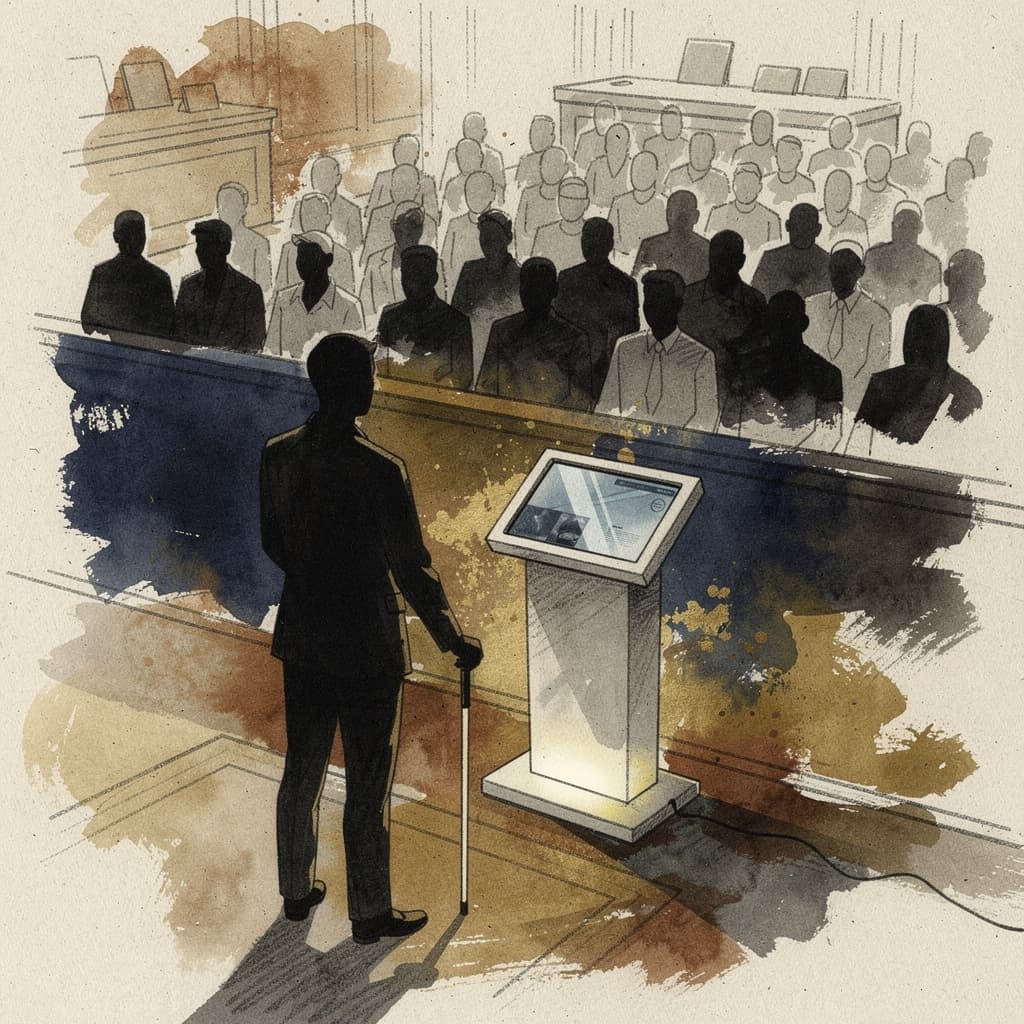
- This case involved a dispute over whether a class action lawsuit could proceed against LabCorp regarding inaccessible check-in kiosks for visually impaired individuals, specifically addressing if a class can be certified when some members have not suffered a concrete injury.
- Who it affects
- The Ninth Circuit's decision remains in place, so the lawsuit over Labcorp's allegedly inaccessible check-in kiosks can continue under that court's approach. Visually impaired customers and businesses facing similar class actions are affected.
Summary: written with AI from the case record.
What it's about
The Supreme Court ultimately dismissed the writ of certiorari as improvidently granted, leaving the lower court's decision in place without issuing a ruling on the merits.
The case raised a continuing question about whether every person in a federal class action must have suffered a concrete injury.
Question presented
May a federal court certify a class action pursuant to Federal Rule of Civil Procedure 23(b)(3) when some members of the proposed class lack any Article III injury?
What the Court decided
Holding
The writ of certiorari is dismissed as improvidently granted.
- Result
- Dismissed
The vote
What's next
The case returns to the lower courts, where the lawsuit may proceed under the Ninth Circuit's decision. Other federal courts may continue to address the Article III injury question without a Supreme Court answer in this case.
Documents
Docket activity
New analysis added
AI analysis generated: Impact Analysis
AI analysis generated: Opinion Summary
AI analysis generated: Decision Record
New analysis added
Show 7 moreShow fewer
AI analysis generated: Case Briefing
Status changed from unknown to unknown
Status changed from unknown to unknown
Opinion added: Opinion
Opinion added: Davis
Audio Recording added: Oral Arguments - Davis
Status changed from unknown to unknown
More questions
- What did the Supreme Court rule in Labcorp v. Davis?
- The Court dismissed the case as improvidently granted, meaning it decided not to resolve the question after taking the case. The Ninth Circuit's decision remains in place.
- Who is affected by the Labcorp kiosk case?
- Visually impaired Labcorp customers and businesses accused of maintaining inaccessible services may be affected. The case concerns class actions involving people alleged not to have concrete injuries.
- What happens next in Labcorp v. Davis?
- The lawsuit returns to the lower courts under the Ninth Circuit's decision. The Supreme Court's dismissal does not settle the issue for courts nationwide.
Sources
Primary materials plus reporting. Best-effort analysis: this explainer relies on a mix of primary materials and trusted secondary sources. Official filings and opinions remain authoritative.