A. J. T., By and Through Her Parents, A. T. & G. T. v. Osseo Area Schools, Independent School District No. 279
In brief
Schools cannot require students to meet a higher “bad faith or gross misjudgment” standard in ADA or Rehabilitation Act education-discrimination cases.
- Where it stands
- Decided
Decided 9-0 · June 12, 2025 · Opinion by Chief Justice Roberts
- What it’s about
- The Supreme Court unanimously held that students bringing disability-discrimination claims about educational services under the Americans with Disabilities Act or Rehabilitation Act do not have to prove that school officials acted with “bad faith or gross misjudgment.”
- Who it affects
- Students with disabilities can bring ADA and Rehabilitation Act claims about school services without meeting a special, tougher test.
Summary: written with AI from the case record.
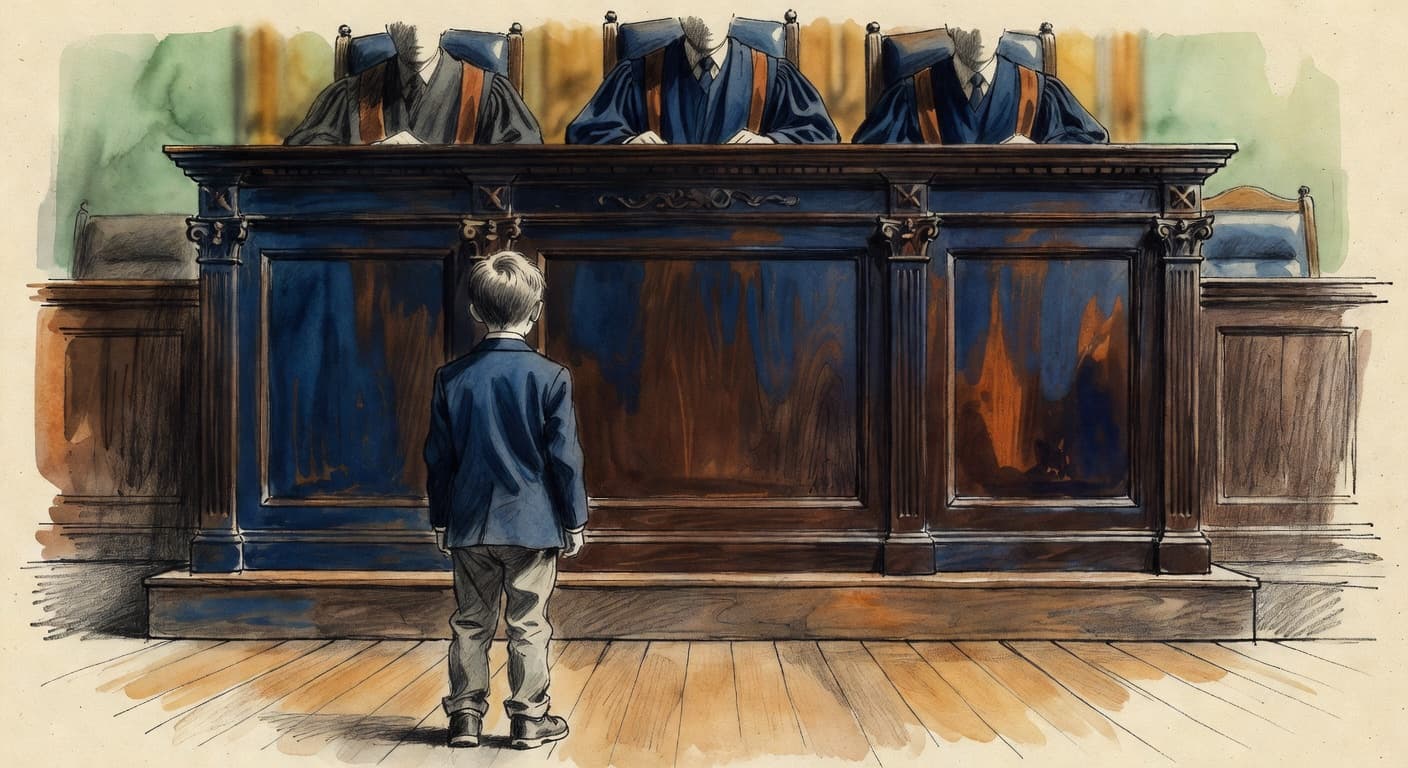
What it's about
The Court vacated the Eighth Circuit’s decision and ruled that these students are subject to the same standards as plaintiffs in other disability-discrimination cases.
The decision rejects a separate, heightened rule for disability-discrimination claims simply because they arise in schools.
Question presented
Do the Americans with Disabilities Act of 1990 and Rehabilitation Act of 1973 require children with disabilities to satisfy a “bad faith or gross misjudgment” standard when seeking relief for discrimination relating to their education?
What the Court decided
Holding
Schoolchildren bringing ADA and Rehabilitation Act claims related to their education are not required to make a heightened showing of “bad faith or gross misjudgment” but instead are subject to the same standards that apply in other disability discrimination contexts. 96 F. 4th 1058, vacated and remanded.
- Result
- Vacated
The vote
- Joined the judgment
- Concurred in a separate opinion
- Wrote an opinion
From the opinions
“Schoolchildren bringing ADA and Rehabilitation Act claims related to their education are not required to make a heightened showing of “bad faith or gross misjudgment” but instead are subject to the same standards that apply in other disability discrimination contexts.”
What's next
The case returns to the lower courts, which must apply the same disability-discrimination standards used outside the school setting. Schools and students will assess education-service claims under that rule.
Why it matters
For example, a child challenging disability discrimination in educational services is judged under the same standards as other disability-discrimination plaintiffs.
Documents
Docket activity
New analysis added
AI analysis generated: Impact Analysis
AI analysis generated: Opinion Summary
New analysis added
AI analysis generated: Case Briefing
Show 7 moreShow fewer
AI analysis generated: Decision Record
Case data updated: summary, question_presented, generation_metadata
Status changed from unknown to unknown
Status changed from unknown to unknown
Opinion added: opinion
Opinion added: Opinion
Audio Recording added: Oral Arguments - A. J. T. v. Osseo Area Schools
More questions
- What did the Supreme Court rule in A. J. T. v. Osseo Area Schools?
- The Court ruled that students need not prove “bad faith or gross misjudgment” in ADA or Rehabilitation Act claims about educational services.
- Who won A. J. T. v. Osseo Area Schools?
- A. J. T. won on the legal question. The Court vacated the Eighth Circuit’s decision.
- What does A. J. T. mean for students with disabilities?
- Their school-service discrimination claims must use the same standards applied in other disability-discrimination cases. Schools cannot impose the heightened test.
- Is the bad-faith-or-gross-misjudgment rule still the law after A. J. T.?
- No. The Court said school-related ADA and Rehabilitation Act claims are subject to the same standards as other disability-discrimination claims.
- What happens next in A. J. T. v. Osseo Area Schools?
- Lower courts must reconsider the case using the standard the Supreme Court identified. Affected parties will apply that rule to education-service discrimination claims.
Sources
Primary materials plus reporting. Best-effort analysis: this explainer relies on a mix of primary materials and trusted secondary sources. Official filings and opinions remain authoritative.