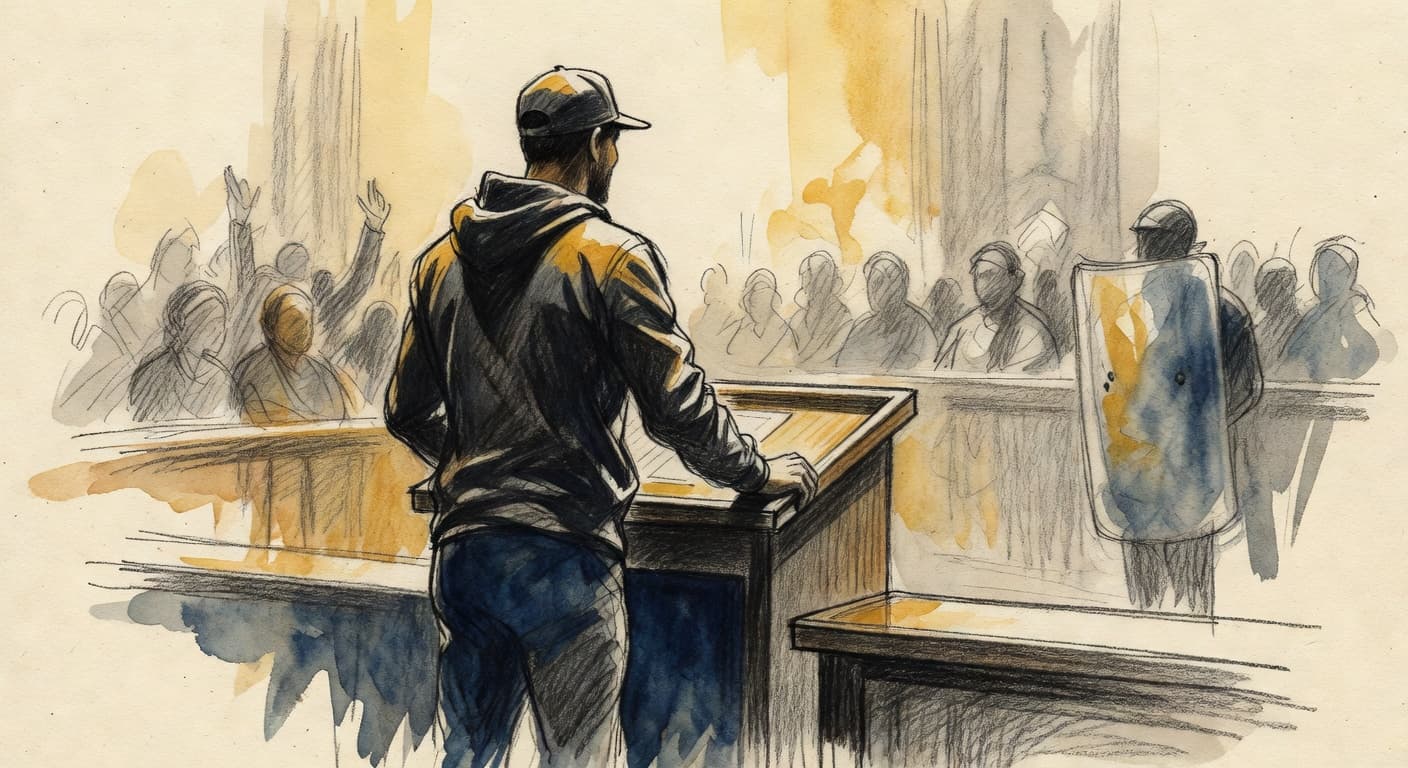
Mckesson v. Doe
This case considers whether a protest organizer can be held liable for negligence when an unidentified attendee injures a police officer during the demonstration. The dispute centers on whether the First Amendment protects protest leaders from civil liability for the violent actions of others that they did not authorize or incite.
- Status
- Dismissed
- Appeal from
- United States Court of Appeals for the Fifth Circuit
Case briefing
Case snapshot
What Happened
The Supreme Court declined to hear a case involving DeRay Mckesson, a leader of a Black Lives Matter protest. By refusing to take the case, the Court let stand a lower court ruling that allows a lawsuit to move forward against a protest organizer for an injury caused by an unidentified attendee.
Why It Matters
This decision means protest leaders in some states could be sued for money if a demonstration turns violent, even if they did not personally cause the harm. This could make people afraid to organize large public rallies because of the high financial risk.
The Big Picture
The case tests the limits of the First Amendment, which protects the right to peaceful assembly. It weighs the responsibility of organizers against the legal precedent set in NAACP v. Claiborne Hardware Co., which generally protects leaders from being held liable for the actions of others.
What the Justices Said
The Court issued a brief order on April 15, 2024, declining to review the case, which leaves the lower court's decision in place.
The Bottom Line
Protest organizers can currently be sued for negligence in certain jurisdictions if a protest they lead results in injury.
What's Next
The lawsuit against DeRay Mckesson will continue in the lower courts. Legal experts will watch how other courts handle similar lawsuits against activists and whether this leads to new laws regarding protest liability.
What is the core dispute in Mckesson v. Doe?
The case asks if a protest leader is responsible for an injury caused by a random attendee. It focuses on whether negligence laws can override First Amendment protest protections.
What are the real-world consequences for activists?
Organizers may face expensive lawsuits for events they cannot fully control. This could discourage people from planning protests or speaking out on controversial issues.
What legal rule was at the center of this case?
The case involves the First Amendment right to assemble and the 'negligence' rule. Negligence means failing to take proper care to prevent harm to others.
What is the next procedural step for this dispute?
The case returns to the lower courts for further proceedings. A trial or further legal arguments will determine if Mckesson is actually liable for the officer's injury.
How does this fit into a broader trend regarding protests?
There is a growing legal debate over how to balance public safety with free speech. This case reflects a trend of using civil lawsuits to regulate political demonstrations.
Where things stand
Timeline
Source note
How this page is sourced
Official case materials anchor this page. Reporting is used only to add context and explain the dispute in plain English.
Page data last refreshed Mar 31, 2026.
Primary materials
Documents & resources
Key filings
Recent coverage
In the news
More to watch