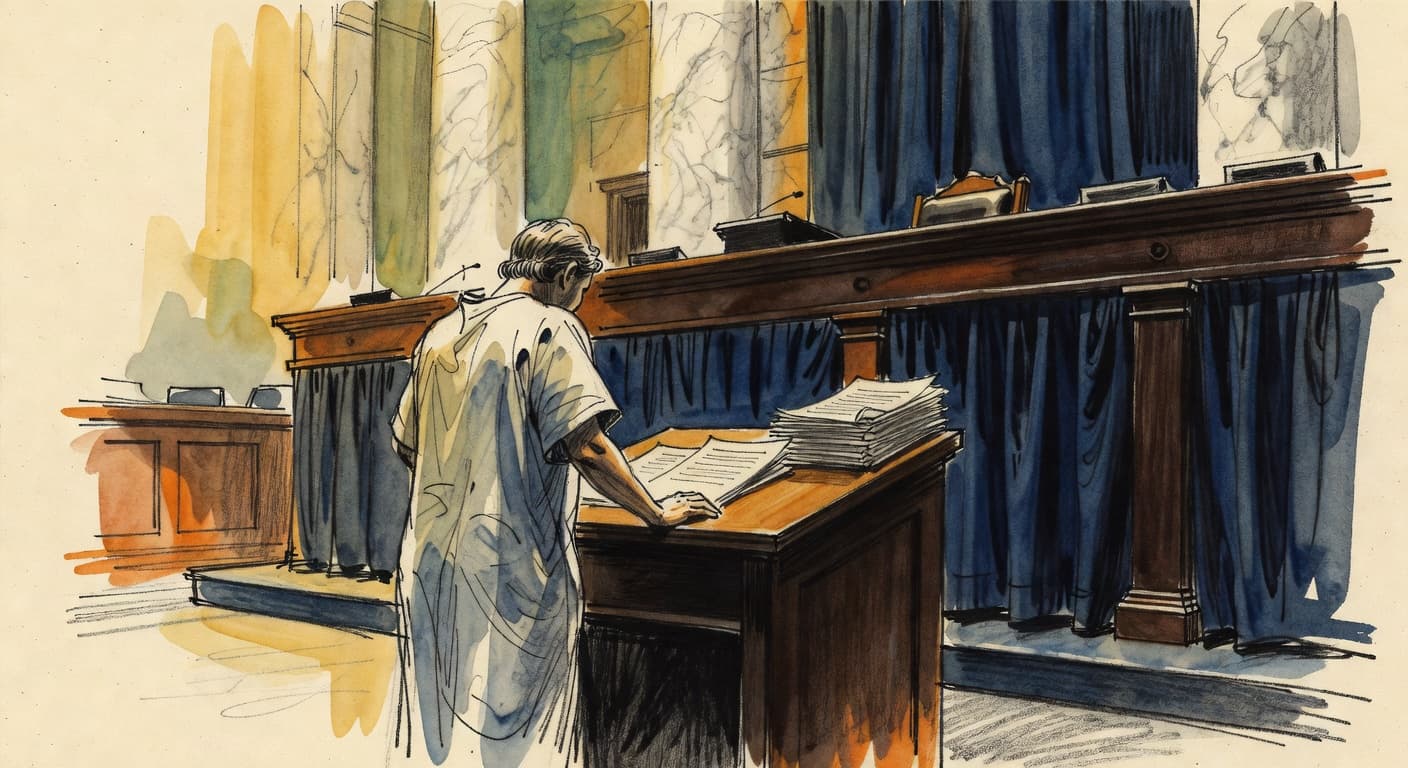
Carter v. United States
This case involves a challenge to the Feres doctrine, which generally bars military service members from suing the government for injuries sustained incident to their service. The petitioner sought to clarify or overrule this doctrine to allow claims for medical malpractice that occurred in a military hospital while the service member was not under military orders.
- Status
- Dismissed
- Appeal from
- United States Court of Appeals for the Fourth Circuit
Case briefing
Case snapshot
How did the Court rule on the Feres doctrine?
The Supreme Court ruled that sovereign immunity (the rule that the government cannot be sued without its permission) bars medical malpractice claims brought by service members. The Court held that the injuries were 'incident to military service,' meaning they happened as part of the soldiers' time in the military. This decision keeps the Feres doctrine in place, preventing soldiers from suing for injuries sustained while not under specific orders.
How will this impact service members and their families?
This ruling means that service members cannot seek money from the government for medical mistakes made at military hospitals. For example, a soldier who suffers a life-altering injury during a routine surgery at a base hospital will have no legal way to sue for damages. This maintains a different standard of legal protection for military members compared to civilians.
Can the government be sued for military medical errors?
The case challenged the Feres doctrine, a long-standing legal rule that limits when the government can be held responsible for harming service members. Critics argue this rule is unfair because it treats military personnel differently than other citizens. The Court's decision reinforces the idea that civilian courts should not interfere with military discipline or decisions.
Why did the Court block the lawsuit?
The Court held that sovereign immunity barred the claims because the injuries were incident to service and a lawsuit might impair military discipline.
“The suit requires the civilian court to second-guess military decisions, and the suit might impair essential military discipline.”
What does this mean for soldiers' legal rights?
The Supreme Court refused to overrule the Feres doctrine, blocking military members from suing for medical malpractice.
What happens to future military malpractice claims?
Lower courts and government agencies will now apply this ruling to dismiss similar pending lawsuits. Advocates for military families may turn to Congress to change the law since the Court declined to do so. Service members will continue to rely on the military's internal systems for any injury compensation.
What was the core dispute in Carter v. United States?
The case focused on whether the Federal Tort Claims Act allows soldiers to sue for medical malpractice. The petitioner argued the Feres doctrine should be overruled to allow these claims.
What are the real-world consequences for service members?
Service members lose the ability to hold the government financially accountable for medical errors in military hospitals. This leaves them with fewer legal options than civilians for similar injuries.
What legal rule did the Court use to make its decision?
The Court applied the Feres doctrine and sovereign immunity (the government's protection from lawsuits). It ruled that injuries 'incident to service' cannot be the basis for a lawsuit.
What is the next procedural step following this ruling?
Lower courts will use this decision to dismiss other cases where soldiers are suing for service-related injuries. Affected parties must now watch for any potential legislative changes from Congress.
How does this case fit into broader legal trends?
The ruling shows the Court's continued hesitation to change long-standing legal precedents (earlier court decisions). It also reflects a trend of protecting military discipline from civilian court interference.
Where things stand
Timeline
Source note
How this page is sourced
Official case materials anchor this page. Reporting is used only to add context and explain the dispute in plain English.
Page data last refreshed Mar 30, 2026.
Primary materials
Documents & resources
Recent coverage
In the news
More to watch