Environmental Protection Agency v. Calumet Shreveport Refining
In brief
Challenges to EPA's denials of small-refinery Renewable Fuel Standard exemptions belong exclusively in the D.C. Circuit.
- Where it stands
- Decided
Decided 7-2 · June 18, 2025 · Opinion by Justice Thomas
- What it’s about
- The Court held that EPA’s denials of individual small-refinery petitions for exemptions from the Renewable Fuel Standard were locally or regionally applicable actions, but were based on determinations with nationwide scope or effect.
- Who it affects
- Small refineries challenging EPA's Renewable Fuel Standard exemption decisions must bring those cases in the D.C. Circuit.
Summary: written with AI from the case record.
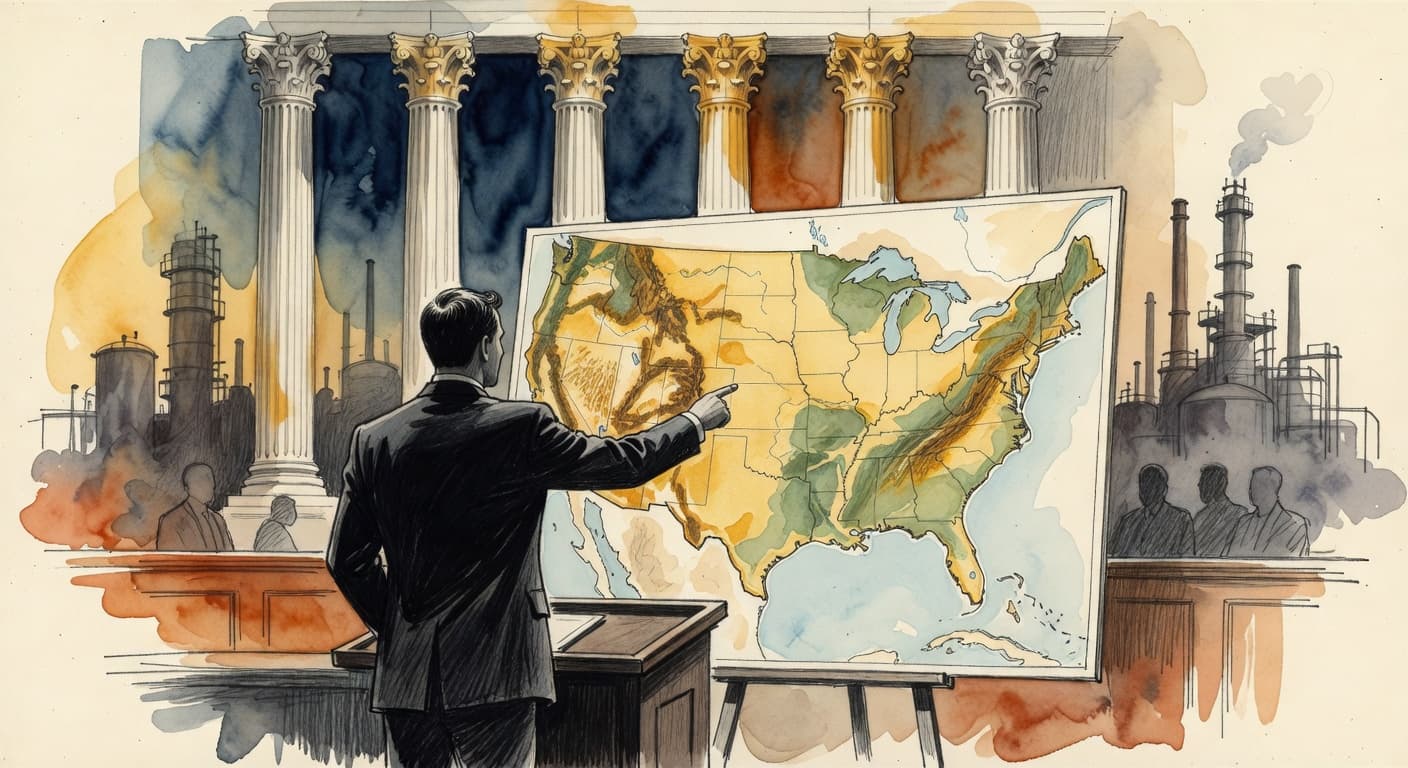
What it's about
Therefore, challenges to those denials had to be filed in the U.S. Court of Appeals for the D.C. Circuit, not the Fifth Circuit; the Court vacated and remanded the Fifth Circuit’s decision.
The case interprets where Clean Air Act lawsuits belong when EPA takes actions affecting individual facilities but relies on nationwide determinations.
Question presented
Should challenges by small oil refineries seeking exemptions from the requirements of the Clean Air Act’s Renewable Fuel Standard program be heard exclusively in the U.S. Court of Appeals for the D.C. Circuit because the agency’s denial actions are “nationally applicable” or “based on a determination of nationwide scope or effect”?
What the Court decided
Holding
EPA’s denials of small refinery exemption petitions are locally or regionally applicable actions that fall within the “nationwide scope or effect” exception, requiring venue in the D. C. Circuit. 86 F. 4th 1121, vacated and remanded.
- Result
- Vacated
The vote
From the opinions
“EPA’s denials of small refinery exemption petitions are locally or regionally applicable actions that fall within the “nationwide scope or effect” exception, requiring venue in the D. C. Circuit.”
“The question we face does not concern the merits of what EPA did, only where the small refineries’ lawsuit challenging the agency’s actions should be heard.”
What's next
The Fifth Circuit must proceed consistently with the Supreme Court's decision. Refineries challenging comparable EPA denials must file in the D.C. Circuit.
Why it matters
That centralizes review of these EPA decisions in one court rather than regional appeals courts.
Documents
Docket activity
New analysis added
AI analysis generated: Case Briefing
New analysis added
AI analysis generated: Impact Analysis
AI analysis generated: Opinion Summary
Show 7 moreShow fewer
AI analysis generated: Decision Record
Case data updated: summary, question_presented, generation_metadata
Status changed from unknown to unknown
Status changed from unknown to unknown
Opinion added: opinion
Opinion added: Opinion
Audio Recording added: Oral Arguments - EPA v. Calumet Shreveport Refining, L.L.C.
More questions
- What did the Supreme Court rule in EPA v. Calumet Shreveport Refining?
- The Court ruled that challenges to EPA denials of small-refinery exemptions must be filed in the D.C. Circuit. It vacated the Fifth Circuit's decision.
- Who won EPA v. Calumet Shreveport Refining?
- EPA won on the venue question. The Court agreed that the D.C. Circuit, rather than the Fifth Circuit, has exclusive authority over these challenges.
- What does EPA v. Calumet Shreveport Refining mean for small refineries?
- Small refineries seeking to challenge EPA exemption denials must sue in the D.C. Circuit. The decision does not resolve whether EPA properly denied any exemption.
- Is D.C. Circuit venue still the law after EPA v. Calumet Shreveport Refining?
- Yes. Challenges to these EPA denials belong in the D.C. Circuit because they rest on determinations with nationwide scope or effect.
- What happens next after EPA v. Calumet Shreveport Refining?
- The Fifth Circuit must follow the Supreme Court's ruling. Comparable challenges must be brought in the D.C. Circuit.
Sources
Primary materials plus reporting. Best-effort analysis: this explainer relies on a mix of primary materials and trusted secondary sources. Official filings and opinions remain authoritative.