McLaughlin Chiropractic Associates v. McKesson
In brief
Federal trial courts may independently review whether an agency correctly interpreted a statute, rather than automatically following that interpretation.
- Where it stands
- Decided
Decided 6-3 · June 20, 2025 · Opinion by Justice Kavanaugh
- What it’s about
- The Supreme Court ruled that the Hobbs Act does not require federal district courts to automatically accept the Federal Communication Commission's legal interpretation of the Telephone Consumer Protection Act during enforcement proceedings.
- Who it affects
- People and companies sued under the Telephone Consumer Protection Act can challenge the FCC's reading of the law in district court.
Summary: written with AI from the case record.
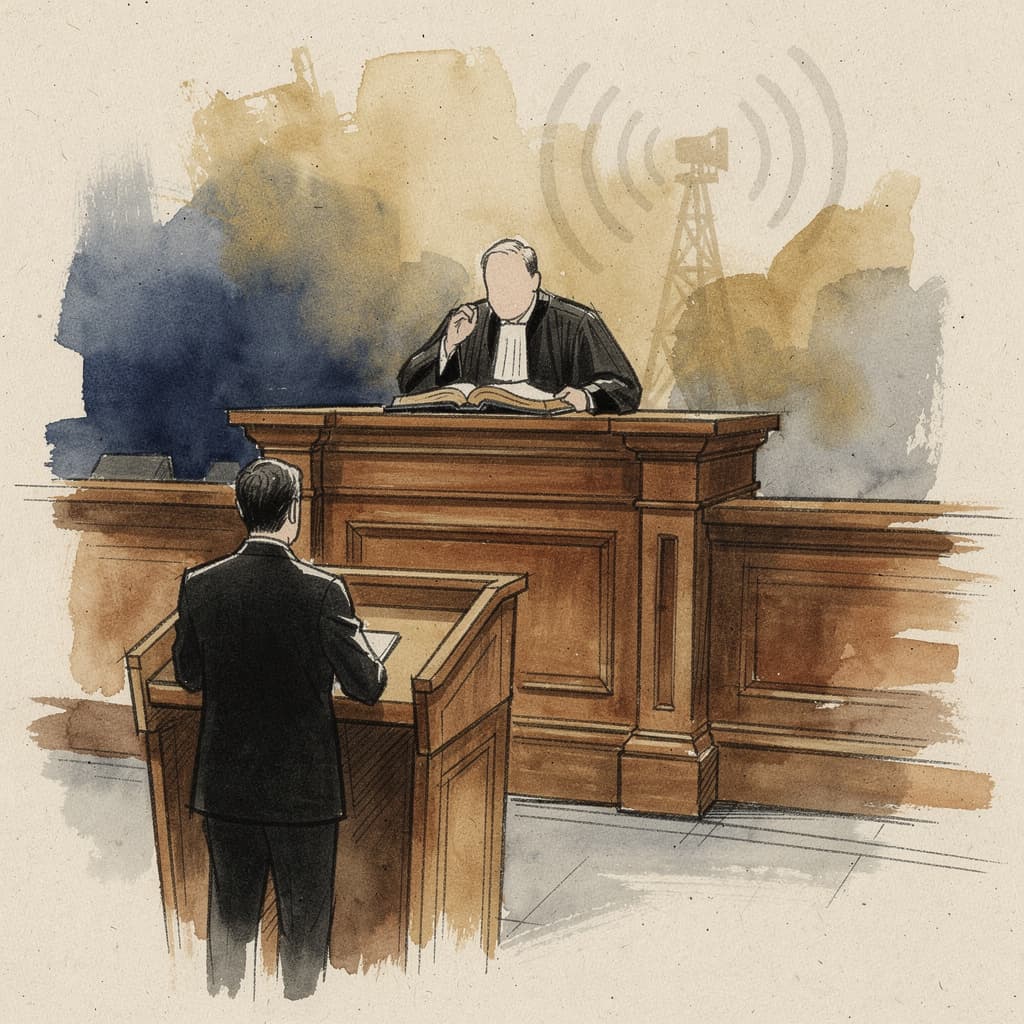
What it's about
The decision clarifies that district courts retain the authority to independently review whether an agency's interpretation of a statute is correct.
The decision defines how much control federal agencies have over legal questions when private civil cases reach district courts.
Question presented
Does the Hobbs Act require a federal district court to accept the Federal Communication Commission’s legal interpretation of the Telephone Consumer Protection Act?
What the Court decided
Holding
The Hobbs Act does not bind district courts in civil enforcement proceedings to an agency’s interpretation of a statute. District courts must independently determine the law’s meaning under ordinary principles of statutory interpretation while affording appropriate respect to the agency’s interpretation. Reversed and remanded.
- Result
- Reversed
The vote
From the opinions
“District courts must independently determine the law’s meaning under ordinary principles of statutory interpretation while affording appropriate respect to the agency’s interpretation.”
“Today, the Court picks the second option: ship first, litigate later.”
What's next
The case returns to the lower courts for further proceedings under the Supreme Court's rule. District courts handling similar civil cases must interpret the statute themselves while giving appropriate respect to agency views.
Why it matters
For example, a business defending against a telephone-related lawsuit may argue that the FCC interpreted the statute incorrectly.
Documents
Docket activity
New analysis added
AI analysis generated: Impact Analysis
AI analysis generated: Opinion Summary
New analysis added
AI analysis generated: Case Briefing
Show 7 moreShow fewer
AI analysis generated: Decision Record
Status changed from unknown to unknown
Status changed from unknown to unknown
Opinion added: opinion
Opinion added: Opinion
Audio Recording added: Oral Arguments - McLaughlin Chiropractic Assoc. v. McKesson Corp.
Status changed from unknown to unknown
More questions
- What did the Supreme Court rule in McLaughlin Chiropractic Associates?
- The Court said the Hobbs Act does not bind district courts to an agency's statutory interpretation in civil enforcement proceedings.
- Who won McLaughlin Chiropractic Associates?
- McLaughlin Chiropractic Associates won the Supreme Court's 6-3 decision. The Court reversed and remanded the Ninth Circuit's judgment.
- What does McLaughlin Chiropractic Associates mean for businesses sued under the Telephone Consumer Protection Act?
- They may argue in district court that the FCC's interpretation of the statute is wrong. The court must independently interpret the law.
- What happens next in McLaughlin Chiropractic Associates?
- The case returns to the lower courts. They must apply the Supreme Court's rule during further proceedings.
- Is the FCC's interpretation still automatically binding after McLaughlin Chiropractic Associates?
- No. District courts must give the FCC appropriate respect, but they must independently determine the statute's meaning.
Sources
Primary materials plus reporting. Best-effort analysis: this explainer relies on a mix of primary materials and trusted secondary sources. Official filings and opinions remain authoritative.