Smith & Wesson Brands v. Estados Unidos Mexicanos
In brief
Mexico's lawsuit cannot proceed because its allegations did not meet the standard needed to overcome the federal gun-industry liability shield.
- Where it stands
- Decided
Decided 9-0 · June 5, 2025 · Opinion by Justice Kagan
- What it’s about
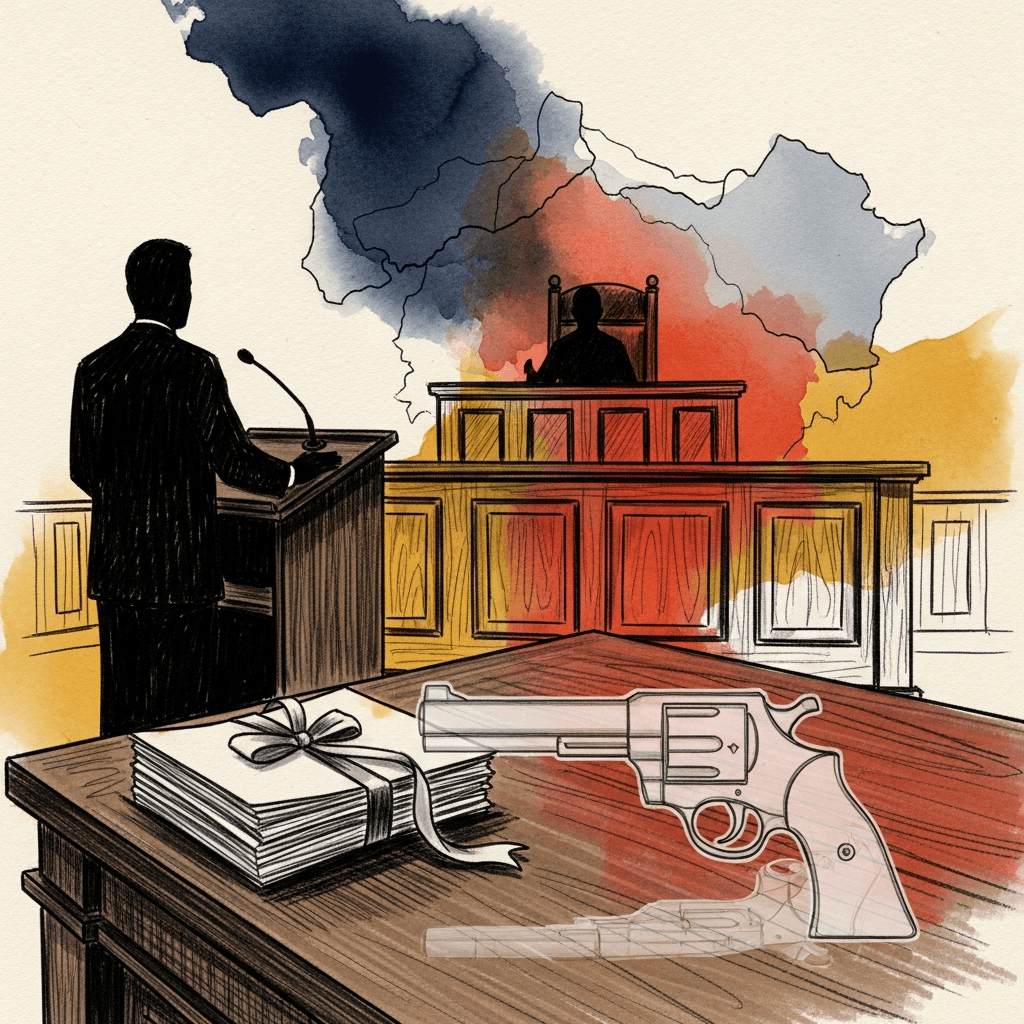
- The Supreme Court held that the Protection of Lawful Commerce in Arms Act (PLCAA) bars Mexico's lawsuit against U.S. gun manufacturers for facilitating cartel violence.
- Who it affects
- The decision prevents Mexico from pursuing this lawsuit against the manufacturers over cartel violence involving trafficked guns.
Summary: written with AI from the case record.
What it's about
The Court ruled that Mexico failed to plausibly allege that the manufacturers intentionally aided and abetted illegal gun trafficking, a necessary requirement to bypass the Act's liability protections.
The case tested when the Protection of Lawful Commerce in Arms Act allows lawsuits against gun companies despite its broad liability protections.
Question presented
Can U.S. gun manufacturers be held liable for violence in Mexico under theories of proximate causation and aiding and abetting, based on their domestic production and sale of firearms that are later trafficked to Mexican cartels?
What the Court decided
The vote
- Joined the judgment
- Concurred in a separate opinion
- Wrote an opinion
- Majority · 7joined the Court's opinion
From the opinions
“Mexico’s complaint does not plausibly allege that the defendant gun manufacturers aided and abetted gun dealers’ unlawful sales of firearms to Mexican traffickers.”
What's next
The case returns to the lower courts, which must follow the Supreme Court's decision that the federal law bars Mexico's claims. The manufacturers are no longer subject to this lawsuit on the claims addressed by the Court.
Why it matters
Gun makers and dealers receive stronger protection from similar claims unless plaintiffs plausibly allege intentional help with illegal sales.
Documents
Docket activity
New analysis added
AI analysis generated: Impact Analysis
New analysis added
AI analysis generated: Case Briefing
AI analysis generated: Opinion Summary
Show 7 moreShow fewer
Status changed from unknown to unknown
Status changed from unknown to unknown
Opinion added: opinion
Opinion added: Opinion
Audio Recording added: Oral Arguments - Smith & Wesson Brands v. Estados Unidos Mexicanos
Status changed from unknown to unknown
Brief added: Petition
More questions
- What did the Supreme Court rule in Smith & Wesson v. Mexico?
- The Court ruled that federal law bars Mexico's lawsuit against U.S. gun manufacturers. Mexico did not plausibly allege intentional help with illegal gun sales.
- Who is affected by the Smith & Wesson v. Mexico decision?
- Mexico cannot continue this suit against the defendant manufacturers on these claims. Gun companies receive protection from similar suits unless claims plausibly allege intentional assistance in unlawful sales.
- What happens next after Smith & Wesson v. Mexico?
- The case returns to the lower courts for action consistent with the Supreme Court's decision. Mexico's claims addressed by the Court cannot proceed.
Sources
Primary materials plus reporting. Best-effort analysis: this explainer relies on a mix of primary materials and trusted secondary sources. Official filings and opinions remain authoritative.