Thompson v. United States
In brief
Section 1014 does not make a technically true statement a crime merely because it is misleading.
- Where it stands
- Decided
Decided 9-0 · March 21, 2025 · Opinion by Chief Justice Roberts
- What it’s about
- The Supreme Court ruled that a federal statute prohibiting false statements to financial institutions does not criminalize statements that are merely misleading but factually true.
- Who it affects
- Prosecutors must show that a person made a factually untrue statement to a covered financial institution or federal agency, rather than merely a technically true but deceptive one.
Summary: written with AI from the case record.
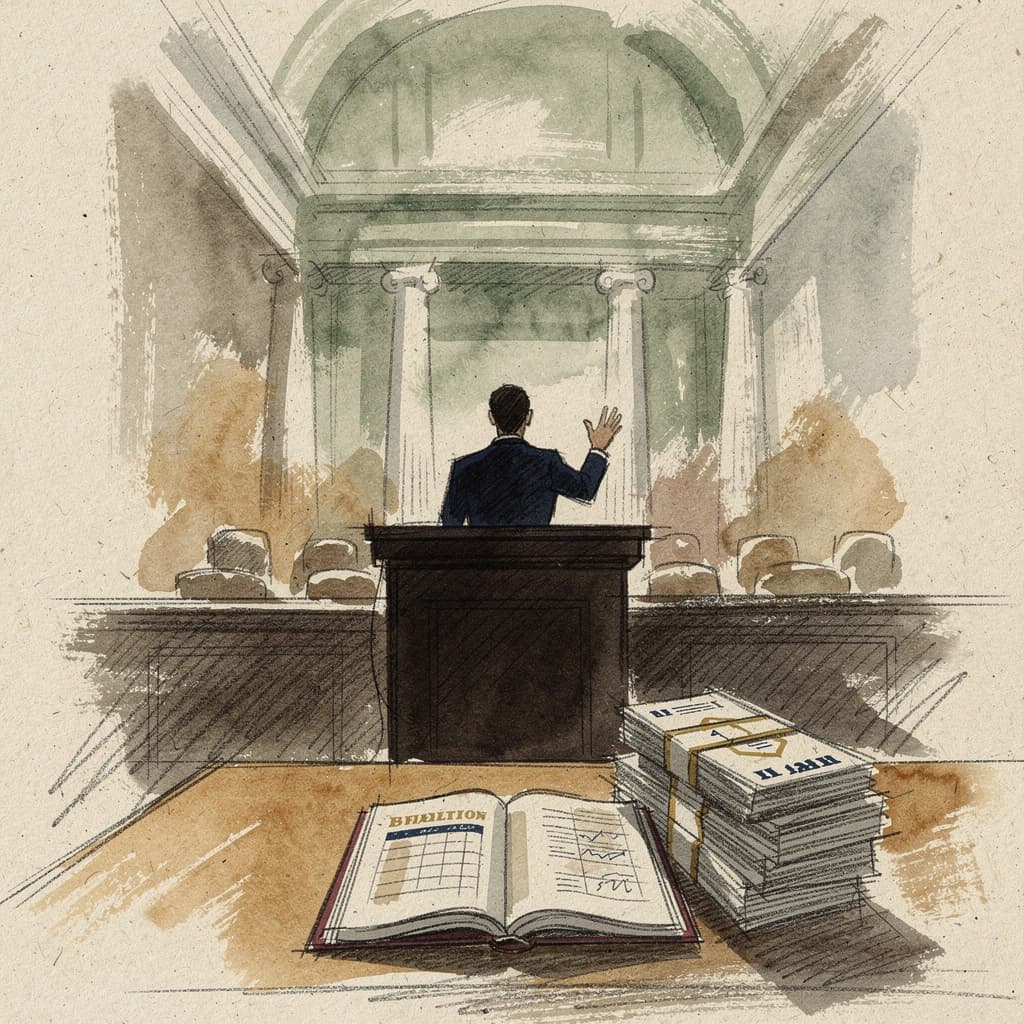
What it's about
The Court held that the word "false" in 18 U.S.C. § 1014 means "not true," and therefore the law does not cover deceptive statements that are technically accurate.
The decision applies the ordinary meaning of "false" in a federal law governing statements made to certain lenders and government agencies.
Question presented
Does the prohibition in 18 U.S.C. § 1014 on making a “false statement” for the purposes of influencing certain financial institutions and federal agencies include making statements that are misleading but not false?
What the Court decided
Holding
Section 1014, which prohibits “knowingly mak[ing] any false statement,” does not criminalize statements that are misleading but not false. 89 F. 4th 1010, vacated and remanded.
- Result
- Vacated
The vote
- Joined the judgment
- Concurred in a separate opinion
- Wrote an opinion
- Majority · 7joined the Court's opinion
From the opinions
“The word "false" means "not true."”
What's next
The case returns for further proceedings under the Supreme Court's interpretation of Section 1014. Lower courts must distinguish factually false statements from statements that are only misleading.
Why it matters
For example, a borrower cannot be convicted under this statute solely because a true answer could mislead a lender.
Documents
Docket activity
New analysis added
AI analysis generated: Impact Analysis
AI analysis generated: Opinion Summary
AI analysis generated: Decision Record
New analysis added
Show 7 moreShow fewer
AI analysis generated: Case Briefing
Status changed from unknown to unknown
Status changed from unknown to unknown
Opinion added: opinion
Opinion added: Thompson
Audio Recording added: Oral Arguments - Thompson
Status changed from unknown to unknown
More questions
- What did the Supreme Court rule in Thompson v. United States?
- The Court said Section 1014 covers false statements, not statements that are misleading but factually true. It vacated the Seventh Circuit's decision.
- Who is affected by the Thompson decision?
- People accused of misleading lenders or covered federal agencies are affected. Prosecutors must show a statement was factually untrue under this statute.
- What happens next in Thompson v. United States?
- The case goes back for further proceedings. The lower courts must apply the Supreme Court's rule that misleading but true statements are outside Section 1014.
Sources
Primary materials plus reporting. Best-effort analysis: this explainer relies on a mix of primary materials and trusted secondary sources. Official filings and opinions remain authoritative.