Hewitt v. United States
In brief
A vacated sentence does not block a defendant from receiving the First Step Act's reduced penalties at a later resentencing.
- Where it stands
- Decided
Decided 5-4 · June 26, 2025 · Opinion by Justice Jackson
- What it’s about
- The Supreme Court ruled that the First Step Act's reduced sentencing penalties apply to defendants whose original sentences were imposed before the Act's enactment but were later vacated and required resentencing after the Act took effect.
- Who it affects
- People originally sentenced before the First Step Act may receive its lower penalties if their sentences were later vacated. For example, a person awaiting resentencing after a successful challenge can be sentenced under the newer rules.
Summary: written with AI from the case record.
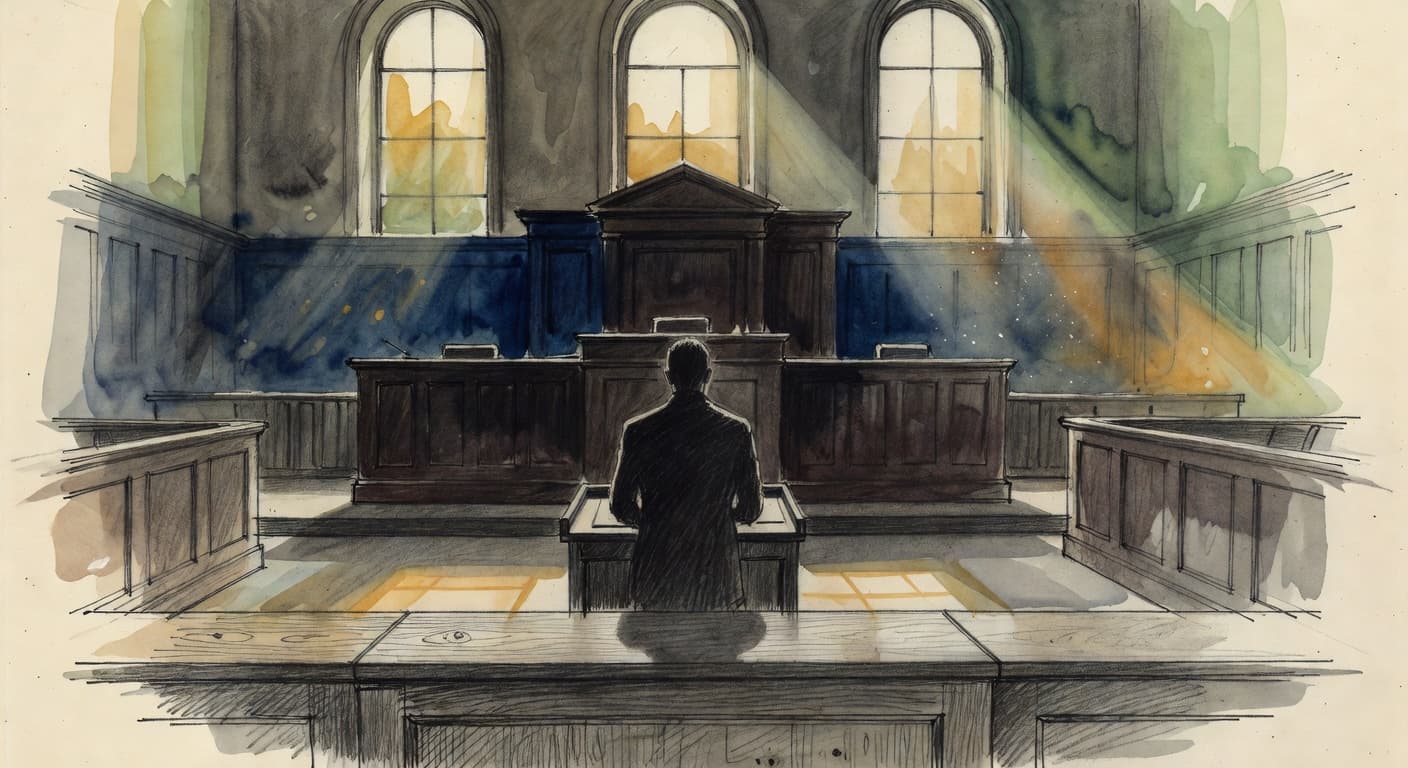
What it's about
The Court determined that a vacated sentence is not considered to have been "imposed" for the purposes of the statute, allowing these defendants to benefit from the newer, more lenient laws.
The decision addresses how Congress's 2018 sentencing changes apply to cases that return to court for resentencing.
Question presented
Does the First Step Act’s sentencing reduction provision apply to a defendant whose original sentence was imposed before the Act’s enactment, but was later vacated and resentenced after the Act took effect?
What the Court decided
Holding
The judgment is reversed, and the case is remanded.
- Result
- Reversed
The vote
From the opinions
“The judgment is reversed, and the case is remanded.”
“Petitioners, who were sentenced in 2010, do not come close to meeting that test.”
What's next
The case returns to the lower courts for further proceedings under the Supreme Court's decision. Courts handling resentencings must apply the First Step Act provisions described by the Court when a pre-enactment sentence was vacated.
Documents
Docket activity
New analysis added
AI analysis generated: Impact Analysis
AI analysis generated: Opinion Summary
New analysis added
AI analysis generated: Case Briefing
Show 7 moreShow fewer
AI analysis generated: Decision Record
Status changed from unknown to unknown
Status changed from unknown to unknown
Opinion added: opinion
Opinion added: Hewitt
Audio Recording added: Oral Arguments - Hewitt
Status changed from unknown to unknown
More questions
- What did the Supreme Court rule in Hewitt v. United States?
- The Court ruled that First Step Act sentencing reductions apply when an earlier sentence was vacated and resentencing occurs after the Act took effect.
- Who won Hewitt v. United States?
- Hewitt won. The Court reversed the judgment in a 5-4 decision and sent the case back for further proceedings.
- What does Hewitt mean for defendants awaiting resentencing?
- Defendants whose pre-Act sentences were vacated may receive the First Step Act's lower penalties at resentencing.
- Is the First Step Act rule still the law after Hewitt?
- Yes. Courts must treat a vacated pre-enactment sentence as not preventing application of the Act's reduced penalties at resentencing.
- What happens next in Hewitt v. United States?
- The lower courts will conduct further proceedings consistent with the Supreme Court's decision. The resentencing must apply the First Step Act provisions described by the Court.
Sources
Primary materials plus reporting. Best-effort analysis: this explainer relies on a mix of primary materials and trusted secondary sources. Official filings and opinions remain authoritative.