Keys v. Florida
This case involved a petition for a writ of certiorari filed by Keys against the state of Florida. The Supreme Court ultimately dismissed the petition.
- Status
- Dismissed
- Appeal from
- District Court of Appeal of Florida, Second District
Case briefing
Case snapshot
What Happened
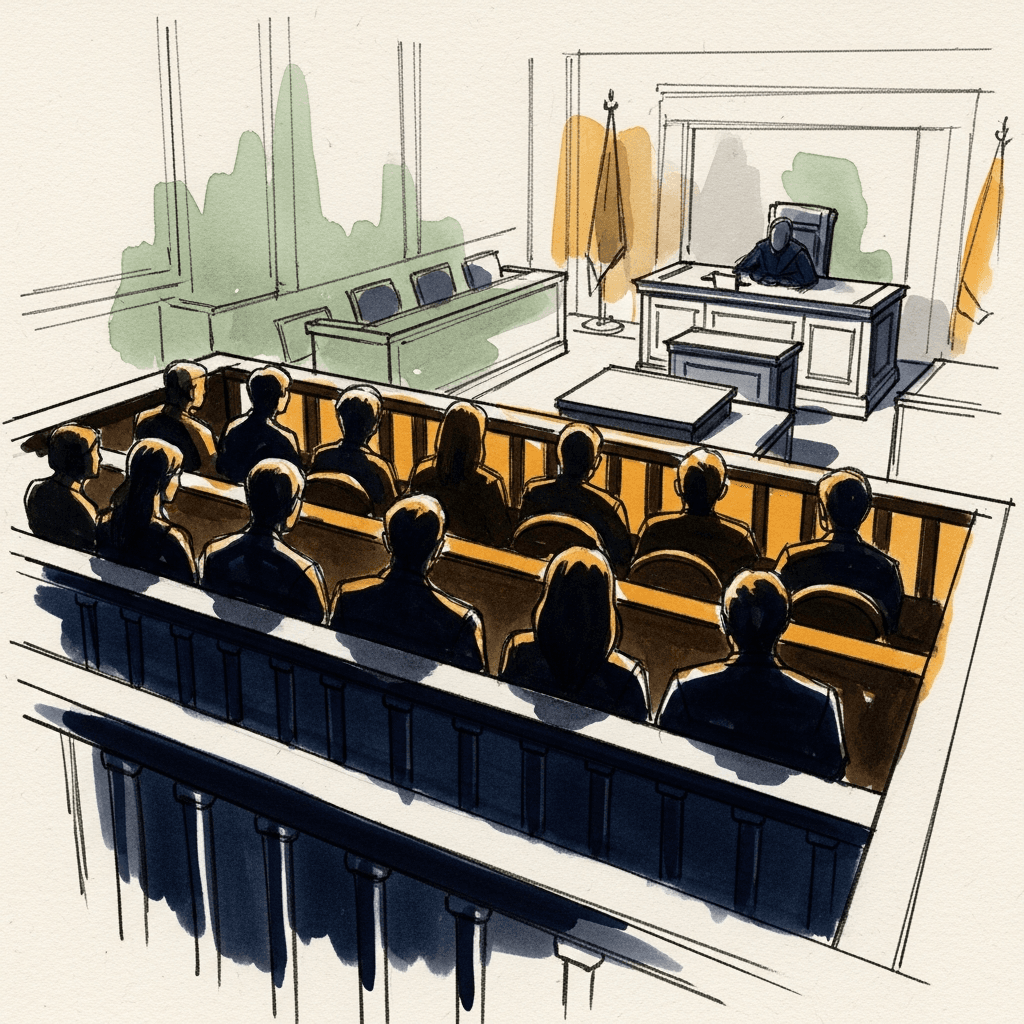
This case involves a legal challenge from Florida regarding whether state courts must have a unanimous jury to convict someone of a serious crime. The petitioner, Keys, argues that the Sixth Amendment right to a jury trial requires all jurors to agree on a guilty verdict in state trials.
Why It Matters
The outcome could change how criminal trials work in states that do not currently require every juror to agree for a conviction. This affects defendants facing serious charges and could lead to new trials for those convicted by split juries.
The Big Picture
For a long time, the Supreme Court allowed states to use non-unanimous juries even though federal courts required total agreement. This case follows recent legal trends where the Court is reconsidering which Bill of Rights protections must be applied identically by the states.
What the Justices Said
No substantive justice or advocate reactions are available yet.
The Bottom Line
The Court is being asked to decide if the Constitution requires a 12-0 jury vote for convictions in state criminal courts.
What's Next
The next major milestone is oral argument or another scheduling move from the Court. Because the petition was recently filed, the justices must first decide how to proceed with the case.
What is the core dispute in this case?
The case disputes whether the Sixth Amendment requires state juries to be unanimous to convict a defendant. Keys argues that the Fourteenth Amendment forces states to follow the same jury rules as federal courts.
What are the real-world consequences of this decision?
If the Court requires unanimity, states with non-unanimous jury laws would have to change their trial procedures. This could result in overturned convictions and requirements for unanimous votes in future criminal trials.
What legal rule is being examined by the Court?
The Court is examining the 'incorporation doctrine,' which determines if parts of the Bill of Rights apply to state governments. Specifically, it looks at the Sixth Amendment right to a jury trial.
What is the next procedural step for this case?
The Court will likely schedule oral arguments where lawyers for both sides present their positions. After that, the justices will meet privately to vote and write their opinions.
How does this fit into a broader legal trend?
This case is part of a trend where the Court re-evaluates older rulings that gave states more flexibility than the federal government. It reflects a movement toward standardizing constitutional rights across the entire country.
Where things stand
Timeline
Source note
How this page is sourced
Official case materials anchor this page. Reporting is used only to add context and explain the dispute in plain English.
Page data last refreshed Mar 30, 2026.
Context reporting
Primary materials
Documents & resources
Key filings
Recent coverage
In the news
More to watch