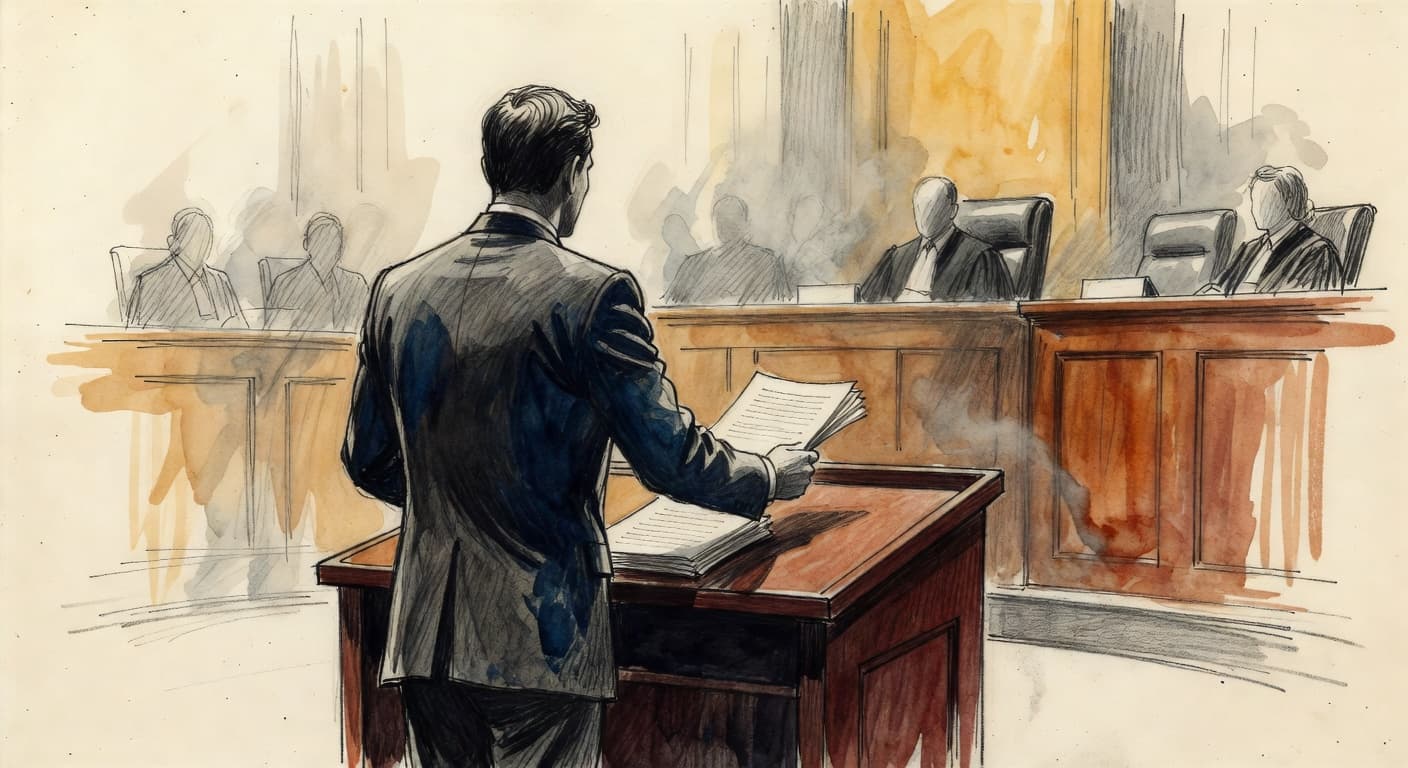
Barker v. Texas
A petition for a writ of certiorari has been filed in this case, along with a request to proceed without paying court fees, seeking review of a decision from a Texas court.
- Status
- Dismissed
- Appeal from
- Court of Appeals of Texas, First District
Case briefing
Case snapshot
What Happened
A petitioner is asking the Supreme Court to review a Texas law that allows evidence of other alleged crimes to be used during a trial. The case questions whether showing these 'extraneous offenses' makes a trial unfair by forcing the defendant to prove they are innocent of crimes they aren't even currently on trial for.
Why It Matters
This case could change how much personal history a jury is allowed to hear during a criminal trial. If the Court limits this evidence, it could protect defendants from being convicted based on their past reputation rather than the specific facts of the current case.
The Big Picture
Courts often struggle to balance the need for relevant evidence against the risk of 'unfair prejudice' (harming a defendant's case in a way that is not fair). This dispute highlights a tension between state evidence rules and the constitutional right to a fair trial.
What the Justices Said
No substantive justice or advocate reactions are available yet.
The Bottom Line
The Supreme Court must decide whether to hear a challenge against Texas rules that allow juries to consider a defendant's other alleged bad acts.
What's Next
The Court will first decide whether to grant certiorari (the decision to hear the case). If they agree to take it, the next major milestone will be the scheduling of oral arguments.
What is the core dispute in Barker v. Texas?
The case asks if Texas law violates the right to a fair trial. It focuses on whether using evidence of other alleged crimes unfairly shifts the burden of proof to the defendant.
What are the real-world consequences for defendants in these trials?
Defendants may face a higher risk of conviction if juries hear about past mistakes. This evidence could lead a jury to punish someone for their character rather than the specific crime charged.
What specific legal rule is being challenged in this case?
The challenge targets Texas Code of Criminal Procedure Article 38.37. It also questions if the 'balancing test' used by judges is enough to prevent unfair prejudice against the accused.
What is the next procedural step for this case?
The Supreme Court must review the petition and decide if it will hear the case. If denied, the lower court's ruling against the petitioner will stand.
How does this case fit into broader legal trends?
It reflects a long-running debate over how to ensure trials remain fair in state courts. The Court often looks at whether state evidence rules conflict with federal constitutional protections.
Where things stand
Timeline
Source note
How this page is sourced
Official case materials anchor this page. Reporting is used only to add context and explain the dispute in plain English.
Page data last refreshed Mar 30, 2026.
Context reporting
Primary materials
Documents & resources
Key filings
Recent coverage
In the news
More to watch