Neville v. Dhillon
This case involves a petition for a writ of certiorari to the United States Court of Appeals for the Fifth Circuit, asking the Supreme Court to review a lower court decision.
- Status
- Dismissed
- Appeal from
- United States Court of Appeals for the Fifth Circuit
Case briefing
Case snapshot
What Happened
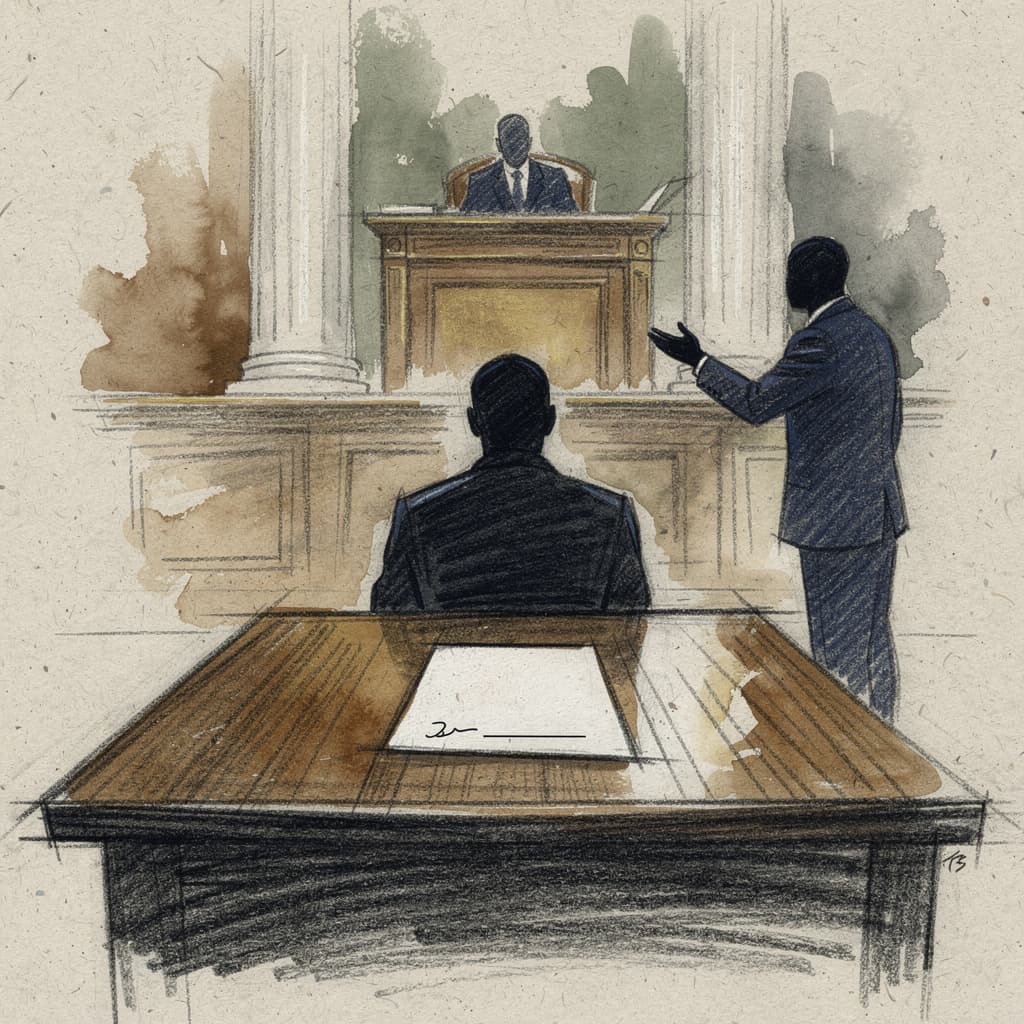
The Supreme Court was asked to decide if state courts can enforce a settlement agreement when a person says they never agreed to it. The case also looked at whether a lawyer can settle a case without the client's permission based only on the lawyer's own words.
Why It Matters
This case affects anyone involved in a lawsuit who relies on their lawyer to represent their interests. If courts can enforce deals without a client's clear consent, people could lose their legal rights or property without a fair hearing.
The Big Picture
The case centers on the Due Process Clause of the Fourteenth Amendment, which guarantees fair treatment through the judicial system. It explores the balance between finishing legal cases quickly and protecting an individual's right to be heard.
What the Justices Said
The Court issued a decision on June 1, 2020, regarding the petition for review from the Fifth Circuit.
The Bottom Line
The Supreme Court reviewed whether a court can force a settlement on a party who claims they never consented to the deal.
What's Next
Observers should watch how lower courts and legal professionals adjust their settlement procedures following this ruling. The decision will likely influence how lawyers must prove they have the authority to sign deals for their clients.
What was the core dispute in this case?
The dispute was about whether a court can enforce a settlement if a party was denied a hearing to prove they did not consent. It also questioned if a lawyer's word alone is enough to prove they can settle for a client.
What are the real-world consequences of this ruling?
This ruling helps define the rules for how legal settlements are finalized in state courts. It ensures that clients have more protection against unauthorized deals made by their attorneys.
What legal rule was at the center of this case?
The case focused on the Due Process Clause of the Fourteenth Amendment. This rule requires that the government and courts follow fair procedures before taking away someone's rights or property.
What is the next procedural step for this case?
The next step is for lower courts and affected parties to apply the Supreme Court's guidance to existing and future lawsuits. Legal experts will monitor how these courts handle disputes over settlement authority.
How does this case fit into a broader legal trend?
This case is part of a larger trend of the Court defining the limits of judicial power in civil cases. It addresses ongoing concerns about the fairness of summary enforcement (ruling without a full trial).
Where things stand
Timeline
Source note
How this page is sourced
Official case materials anchor this page. Reporting is used only to add context and explain the dispute in plain English.
Page data last refreshed Mar 31, 2026.
Context reporting
Primary materials
Documents & resources
Recent coverage
In the news
More to watch