Zabka v. United States
Zabka v. United States is a case appealed from the United States Court of Appeals for the Seventh Circuit.
- Status
- Dismissed
- Appeal from
- United States Court of Appeals for the Seventh Circuit
Case briefing
Case snapshot
What Happened
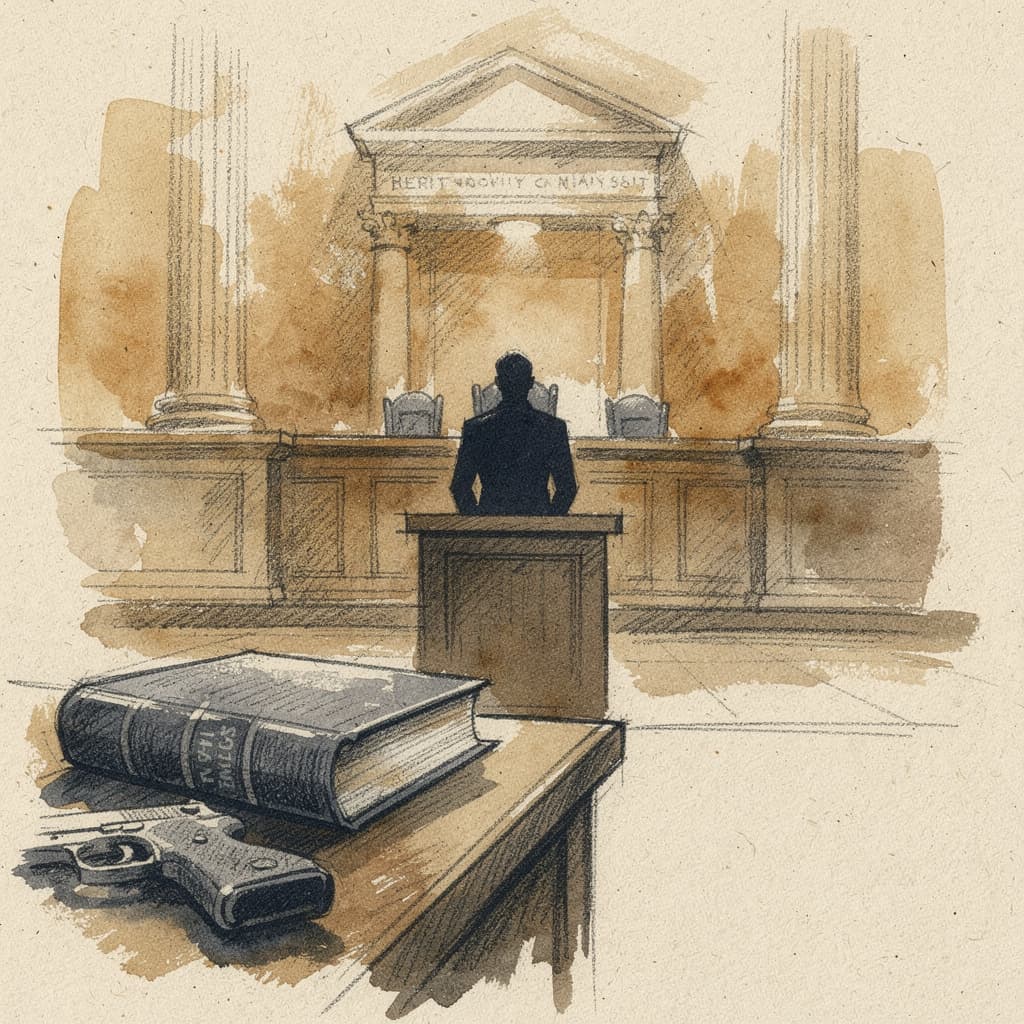
The Supreme Court was asked to decide if the government must prove a person knew they were legally banned from having a gun to convict them of a crime. This case involves a specific federal law, 18 U.S.C. § 922(g), which lists certain groups of people who are not allowed to possess firearms. The dispute focuses on whether a defendant's knowledge of their own legal status is a required part of the government's evidence.
Why It Matters
This case could change how prosecutors handle thousands of gun possession cases across the country. If the Court requires proof of knowledge, it might become harder to convict people who claim they did not know their past records barred them from owning a weapon. This affects anyone currently facing charges or serving time for possessing a firearm while under a legal restriction.
The Big Picture
The case touches on a legal concept called 'mens rea' (the mental state or intent of a person committing a crime). Courts often debate whether a person must know they are breaking a specific law to be found guilty. This case follows other recent Supreme Court decisions that have looked closely at what the government must prove regarding a defendant's awareness of the facts.
What the Justices Said
No substantive justice or advocate reactions are available yet.
The Bottom Line
The Court is considering whether a person must know they are prohibited from having a gun to be convicted of illegal possession.
What's Next
The next major milestone is oral argument or another scheduling move from the Court. However, the petition for a writ of certiorari (the request for the Court to hear the case) was ultimately dismissed. This means the lower court's ruling will stand for now.
What is the core dispute in Zabka v. United States?
The dispute is whether the government must prove a defendant knew they were in a category of people banned from owning guns. It centers on the specific requirements of federal firearm laws.
What are the real-world consequences of this case?
A ruling could lead to many past convictions being challenged or overturned. It would also change the evidence prosecutors need to collect for new gun possession charges.
What legal rule is being examined by the Court?
The Court is examining 18 U.S.C. § 922(g), which prohibits certain individuals from possessing firearms. They are looking at the 'knowledge' requirement within that specific statute.
What is the next procedural step for this case?
The Court has dismissed the petition for a writ of certiorari (the request to hear the case). This ends the current appeal process at the Supreme Court level.
How does this case fit into a broader legal trend?
This case is part of a trend where the Court clarifies the 'guilty mind' requirement for federal crimes. It ensures people are not convicted for mistakes they did not know were illegal.
Where things stand
Timeline
Source note
How this page is sourced
Official case materials anchor this page. Reporting is used only to add context and explain the dispute in plain English.
Page data last refreshed Mar 30, 2026.
Context reporting
Primary materials
Documents & resources
Key filings
Recent coverage
In the news
More to watch