Ybarra v. Tex. Health & Human Servs. Comm'n
This case involves a petition for a writ of certiorari to the United States Court of Appeals for the Fifth Circuit regarding a dispute with the Texas Health and Human Services Commission, which was ultimately dismissed by the Supreme Court.
- Status
- Dismissed
- Appeal from
- United States Court of Appeals for the Fifth Circuit
Case briefing
Case snapshot
What Happened
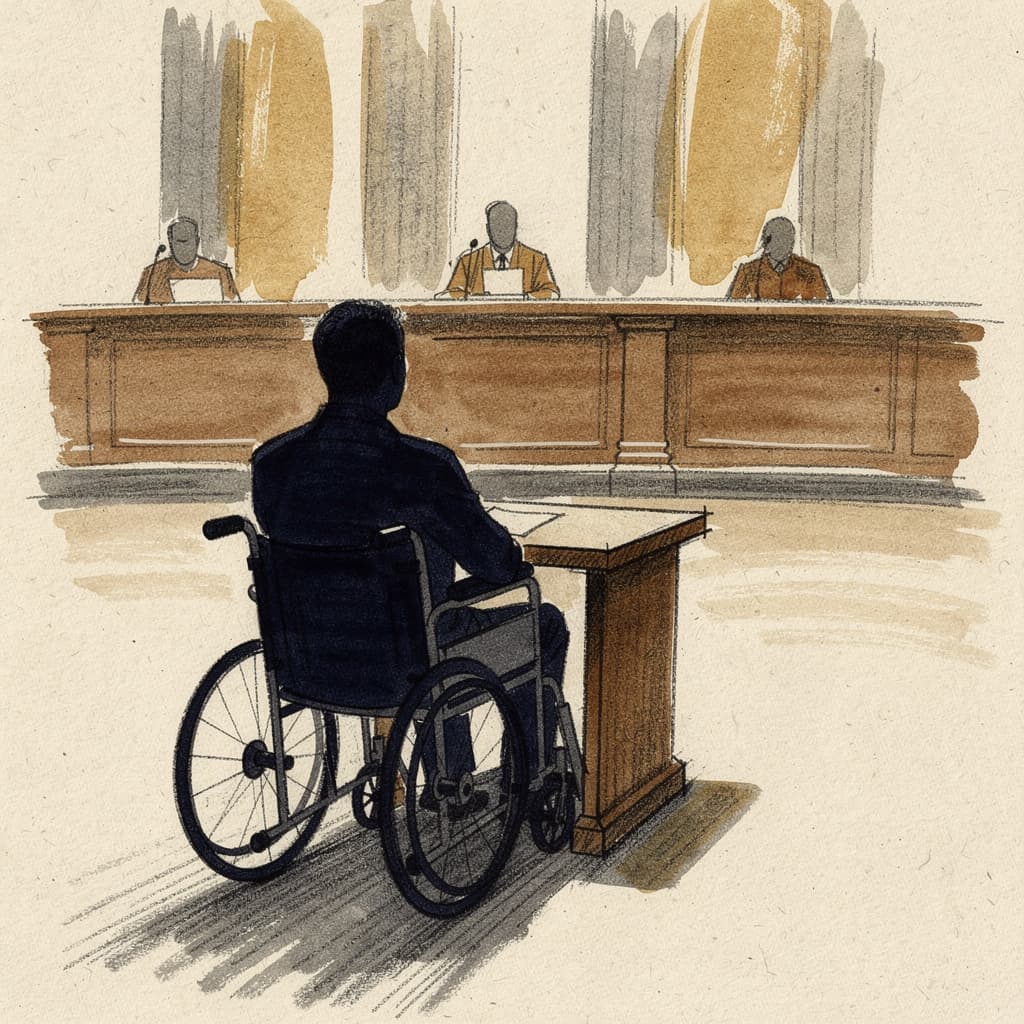
This case asks if the Americans with Disabilities Act (ADA) protects people who are at risk of being forced into institutions. The dispute began after a lower court ruled that individuals might need to be already living in an institution to claim their rights were violated.
Why It Matters
The outcome could change how states provide care for thousands of people with disabilities who want to live at home. If the Court rules against the plaintiffs, people might have to lose their independence and enter a nursing home before they can legally ask for help to stay in the community.
The Big Picture
The case builds on a 1999 decision called Olmstead, which said unjustified isolation of people with disabilities is a form of discrimination. This new dispute tests whether that rule applies to preventing institutionalization or only to ending it once it has already happened.
What the Justices Said
No substantive justice or advocate reactions are available yet.
The Bottom Line
The Court must decide if the law protects the right of people with disabilities to stay in their homes when state budget cuts threaten their independence.
What's Next
The next major milestone is oral argument or another scheduling move from the Court. Because the case is currently pending, the justices will eventually meet to discuss the legal briefs and hear from both sides.
What is the core dispute in this case?
The case focuses on whether the ADA's integration mandate protects people at risk of institutionalization. It questions if states must provide services that allow people with disabilities to live in their communities.
What are the real-world consequences for people with disabilities?
If the Court rules that people must be institutionalized first, many could lose their homes and independence. This would force individuals into restrictive settings just to qualify for the legal help they need.
What legal rule is the Court being asked to clarify?
The Court is interpreting the 'integration mandate' from the ADA and the Rehabilitation Act. It must decide if this mandate applies to those at 'serious risk' of being sent to an institution.
What is the next procedural step for this case?
The case is currently pending on the Court's docket. The justices will likely schedule oral arguments to hear legal points from both the plaintiffs and the state of Texas.
How does this case fit into a broader legal trend?
This case follows decades of legal battles over the rights of disabled Americans to live outside of hospitals. It tests the limits of the landmark Olmstead decision in the modern healthcare system.
Where things stand
Timeline
Source note
How this page is sourced
Official case materials anchor this page. Reporting is used only to add context and explain the dispute in plain English.
Page data last refreshed Mar 31, 2026.
Context reporting
Primary materials
Documents & resources
Key filings
Recent coverage
In the news
More to watch