Sauk Prairie Conservation Alliance v. Dep't of the Interior
This case involves a legal dispute between the Sauk Prairie Conservation Alliance and the Department of the Interior that originated in the Seventh Circuit before being dismissed by the Supreme Court.
- Status
- Dismissed
- Appeal from
- United States Court of Appeals for the Seventh Circuit
Case briefing
Case snapshot
What Happened
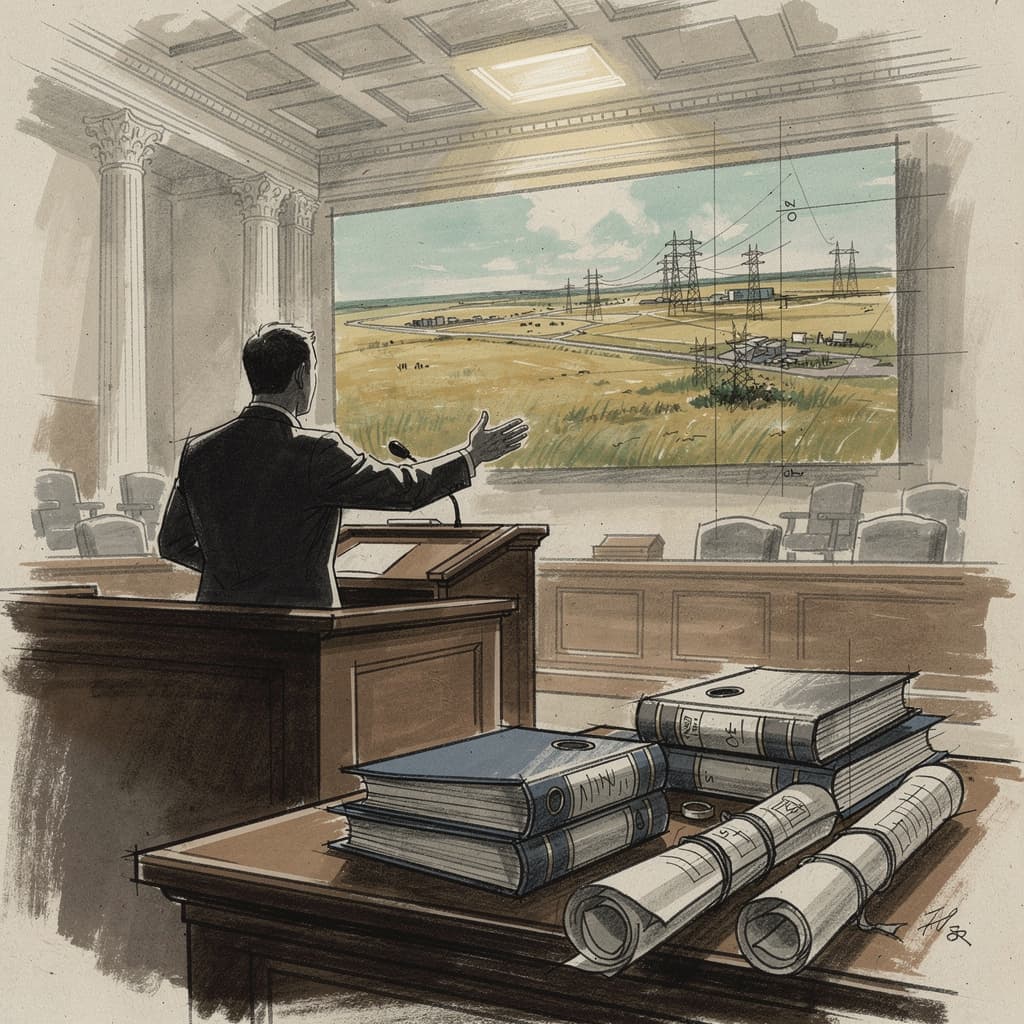
The Sauk Prairie Conservation Alliance is challenging a Department of the Interior decision to allow high-intensity activities on public lands. The group argues the government failed to study the environmental impact of these new uses as required by federal law. The Supreme Court is being asked to decide if a new environmental study is necessary when land use changes significantly.
Why It Matters
The ruling could change how the government manages millions of acres of public land across the country. If the Alliance wins, federal agencies might have to perform more detailed environmental reviews before allowing new activities like motorized recreation. This affects hikers, hunters, and conservationists who use these public spaces.
The Big Picture
This case centers on the National Environmental Policy Act, a law that requires the government to think about nature before making big decisions. It tests how much flexibility agencies have to change their plans without starting the long review process over again. It is part of a larger debate over how to balance public recreation with protecting the environment.
What the Justices Said
No substantive justice or advocate reactions are available yet.
The Bottom Line
The Court must decide if the government can authorize new, intense uses of public land without first writing a new environmental impact report.
What's Next
The next major milestone is for the Court to decide whether to hear the case or move toward oral arguments. If the case proceeds, the justices will listen to lawyers from both sides explain their views on environmental law. A final decision would likely follow several months after those arguments take place.
What is the core dispute in this case?
The dispute is about whether the government must perform extra environmental studies when it changes how public land is used. The Alliance claims the new activities are too intense to be covered by old studies.
What are the real-world consequences for people using these lands?
If the government wins, it can allow new activities on public lands more quickly without extra paperwork. If the Alliance wins, there will be more public study and potential limits on high-intensity land use.
What legal rule is the Supreme Court looking at?
The Court is looking at the National Environmental Policy Act. This law requires a Supplemental Environmental Impact Statement (a follow-up report) when there are major changes to a project's environmental effects.
What is the next procedural step for this case?
The Court must first decide if it will grant a writ of certiorari (an order to hear the case). If granted, the parties will submit briefs and eventually meet for oral arguments.
How does this fit into a broader trend in environmental law?
This case is part of a trend where courts define the limits of power for federal agencies. It explores how much oversight judges should have over the Department of the Interior's land management decisions.
Where things stand
Timeline
Source note
How this page is sourced
Official case materials anchor this page. Reporting is used only to add context and explain the dispute in plain English.
Page data last refreshed Mar 31, 2026.
Context reporting
Primary materials
Documents & resources
Key filings
Recent coverage
In the news
More to watch