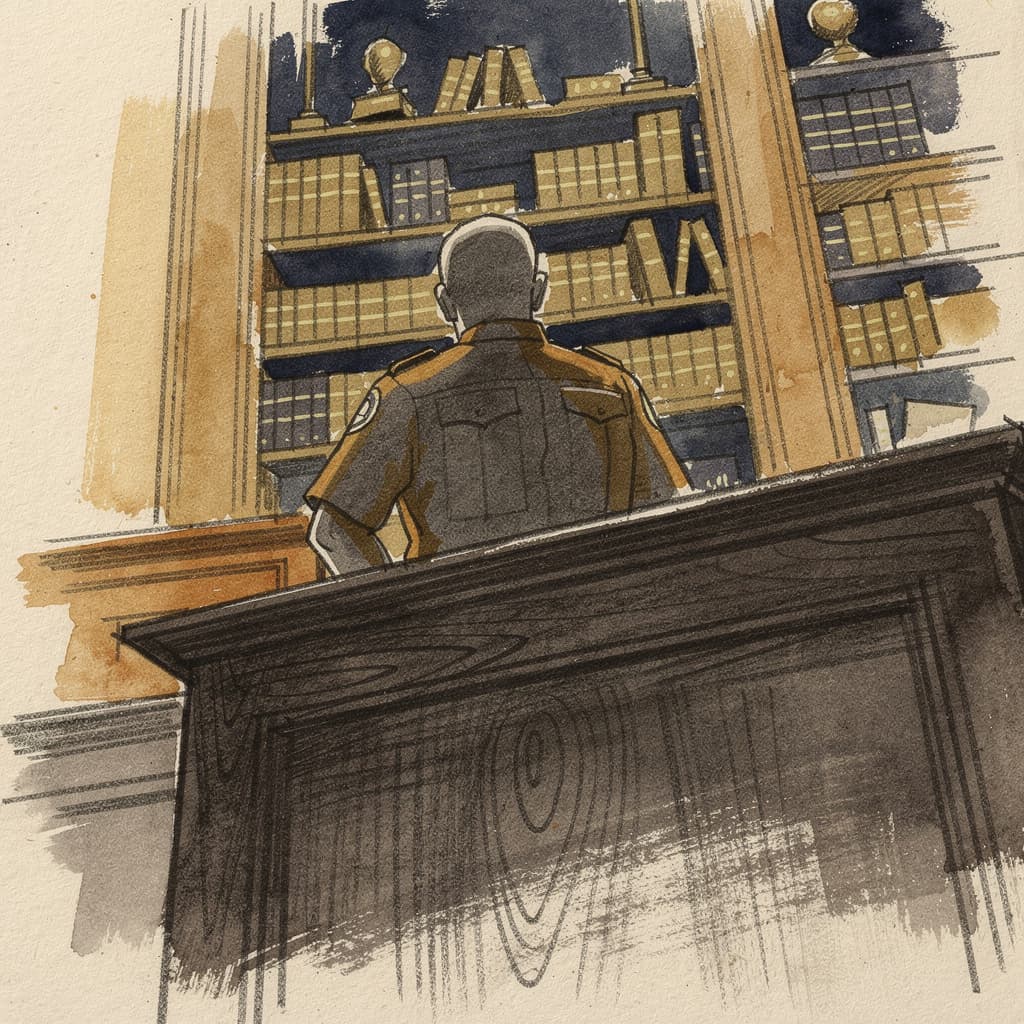
Clarkston v. White
This case involved a petition for a writ of certiorari to the United States Court of Appeals for the Fifth Circuit that was ultimately dismissed.
- Status
- Dismissed
- Appeal from
- United States Court of Appeals for the Fifth Circuit
Case briefing
Case snapshot
What Happened
This case asks the Supreme Court to change or remove a rule called qualified immunity, which often protects government officials from being sued. The dispute focuses on whether a person can sue an official if there is a strong agreement among other courts that the official's actions were illegal.
Why It Matters
The outcome could make it much easier or harder for citizens to hold police officers and other government workers accountable for misconduct. For example, if the rule is changed, a person might be able to sue for a rights violation even if a nearly identical case has not happened before in their specific area.
The Big Picture
Qualified immunity has been a major topic of debate regarding civil rights and police reform across the United States. Critics argue the current legal standard is too strict, while supporters believe it is necessary to protect officials who must make split-second decisions.
What the Justices Said
No substantive justice or advocate reactions are available yet.
The Bottom Line
The Court is being asked to reconsider the 'clearly established' rule that currently shields many government officials from civil lawsuits.
What's Next
The next major milestone is oral argument or another scheduling move from the Court. Because the case is currently pending, the justices have not yet set a date to hear the legal arguments.
What is the core dispute in Clarkston v. White?
The case disputes whether the 'clearly established' rule for qualified immunity should be ended or changed. It asks if a broad consensus of court rulings is enough to warn an officer that their conduct is illegal.
What are the real-world consequences of this case?
If the Court limits qualified immunity, more government officials could face personal lawsuits for their actions. This could lead to more financial settlements for victims of government misconduct.
What is the specific legal rule being challenged?
The challenge targets the 'clearly established' prong of qualified immunity. This rule requires a plaintiff to show that a previous court case already proved the specific conduct was unconstitutional.
What is the next procedural step for this case?
The Court must decide when to schedule oral arguments for the parties involved. After those arguments happen, the justices will meet in private to vote on a final decision.
How does this case fit into a broader legal trend?
This case is part of a growing national movement to reform how the legal system treats government accountability. Many legal scholars and activists are watching to see if the Court will modernize these decades-old protections.
Where things stand
Timeline
Source note
How this page is sourced
Official case materials anchor this page. Reporting is used only to add context and explain the dispute in plain English.
Page data last refreshed Mar 31, 2026.
Context reporting
Primary materials
Documents & resources
Key filings
Recent coverage
In the news
More to watch