Dewberry v. United States
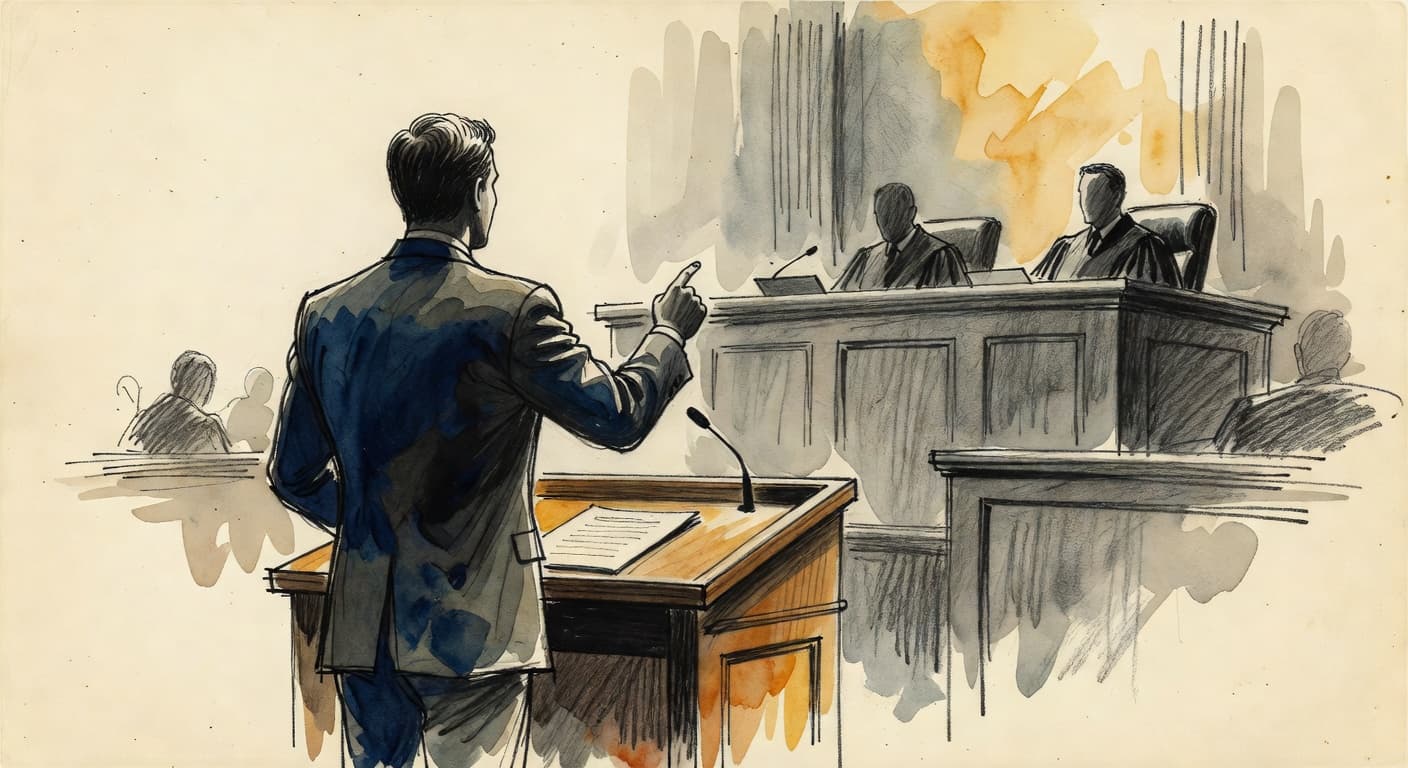
This case involves a criminal defendant who sought to challenge the denial of his Sixth Amendment right to represent himself after entering a guilty plea. The central issue is whether pleading guilty automatically waives the defendant's ability to appeal that specific constitutional violation.
- Status
- Dismissed
- Appeal from
- United States Court of Appeals for the Eighth Circuit
Case briefing
Case snapshot
What Happened
The Supreme Court is reviewing a case about whether a defendant who pleads guilty loses the right to appeal a previous decision that blocked them from representing themselves. The dispute centers on the Sixth Amendment, which gives people the right to act as their own lawyer in court. The lower court ruled that by pleading guilty, the defendant gave up the chance to challenge that earlier denial.
Why It Matters
This case affects anyone in the criminal justice system who wants to handle their own legal defense instead of using a court-appointed lawyer. If the Court rules against the defendant, people may have to choose between taking a plea deal and protecting their constitutional right to self-representation. This could lead to more defendants feeling forced to accept lawyers they do not want.
The Big Picture
The Sixth Amendment is a cornerstone of the American legal system, ensuring that defendants have control over their own defense. For decades, the Supreme Court has balanced the efficiency of guilty pleas against the protection of individual rights. This case explores whether certain fundamental rights are so important that they cannot be accidentally waived during a plea bargain.
What the Justices Said
No substantive justice or advocate reactions are available yet.
The Bottom Line
The Court must decide if a guilty plea automatically cancels a defendant's right to complain about being denied self-representation.
What's Next
The next major milestone is for the Court to schedule and hold oral arguments where lawyers for both sides will present their views. After that, the justices will meet in private to discuss the case and eventually release a written opinion. A final decision is expected before the current term ends in early summer.
What is the core dispute in this case?
The case asks if a guilty plea stops a defendant from appealing a judge's refusal to let them represent themselves. It focuses on whether this specific Sixth Amendment right is lost once a plea is entered.
How could this ruling affect defendants in the real world?
Defendants might lose the ability to challenge unfair trial procedures if they decide to plead guilty. This could limit their options for legal recourse if they felt forced to use a specific lawyer.
What legal rule is the Court currently examining?
The Court is examining the waiver rule, which usually means a guilty plea ends most legal challenges. They are deciding if the right to self-representation is an exception to that general rule.
What is the next procedural step for this case?
The case will move toward oral arguments where the justices will ask questions to both legal teams. Following those arguments, the Court will begin drafting its final decision.
How does this case fit into broader legal trends?
This case follows a trend of the Court defining which constitutional rights survive a guilty plea. It addresses the ongoing tension between making the court system efficient and protecting individual liberties.
Where things stand
Timeline
Source note
How this page is sourced
Official case materials anchor this page. Reporting is used only to add context and explain the dispute in plain English.
Page data last refreshed Mar 31, 2026.
Context reporting
Primary materials
Documents & resources
Recent coverage
In the news
More to watch