Mitchell v. Dillahunt
This case involved a petition for a writ of certiorari to the Supreme Court from the Court of Appeals of Minnesota, which was ultimately dismissed.
- Status
- Dismissed
- Appeal from
- Court of Appeals of Minnesota
Case briefing
Case snapshot
What Happened
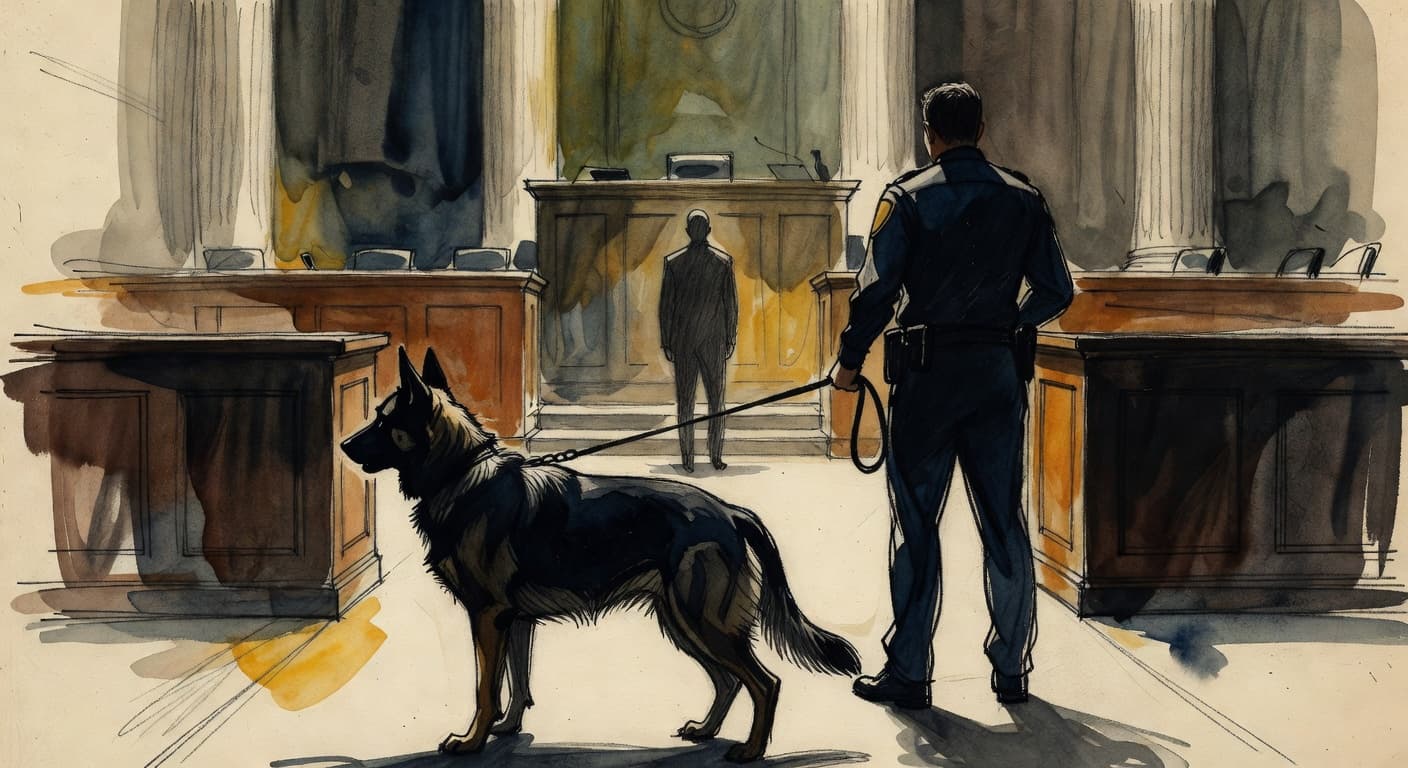
This case asks whether police violate the Fourth Amendment when they use a police dog to bite and hold a person who is not resisting or threatening anyone. The person involved was not suspected of a crime, leading to a dispute over whether the officer's actions were reasonable. The Court is also asked to decide if police can be sued for such actions or if they are protected by qualified immunity (a legal rule that shields officials from lawsuits unless they violate clearly established law).
Why It Matters
The outcome could change how police use dogs during investigations and arrests across the country. If the Court rules against the officer, it may make it easier for citizens to hold law enforcement accountable for excessive force. This affects anyone who interacts with police, especially in situations where no crime has been committed.
The Big Picture
This case sits at the center of a national debate over police accountability and the limits of qualified immunity. Critics argue the current rules make it too hard for victims of police misconduct to get justice in court. Supporters of the current system say officers need protection to do their jobs without constant fear of being sued.
What the Justices Said
No substantive justice or advocate reactions are available yet.
The Bottom Line
The Supreme Court is being asked to decide if using a police dog on a non-threatening person is unconstitutional and if the officer can be sued for it.
What's Next
The case is currently in the early stages and has not yet been scheduled for oral argument. The justices will eventually decide whether to hear the full case or let the lower court's decision stand. If they move forward, lawyers for both sides will present their arguments in person.
What is the core dispute in this case?
The case focuses on whether an officer used too much force by letting a police dog bite a person who was not a threat. It also questions if the officer should be protected from a lawsuit.
What are the real-world consequences for citizens?
A ruling could clarify when police dogs can be used legally. This may prevent injuries to innocent bystanders or non-resisting individuals during police encounters.
What legal rule is being debated by the Court?
The Court is examining the Fourth Amendment's rule against unreasonable seizures. It is also looking at the 'clearly established' standard for qualified immunity.
What is the next procedural step for this case?
The next major milestone will be a decision on whether to hold oral arguments. The Court must first decide if it will formally review the petition for certiorari (the request to hear the case).
How does this fit into a broader legal trend?
This case is part of a larger trend of challenges to qualified immunity. Many legal experts are watching to see if the Court will make it easier to sue government officials for misconduct.
Where things stand
Timeline
Source note
How this page is sourced
Official case materials anchor this page. Reporting is used only to add context and explain the dispute in plain English.
Page data last refreshed Mar 31, 2026.
Context reporting
Primary materials
Documents & resources
Recent coverage
In the news
More to watch