Jessop v. City of Fresno
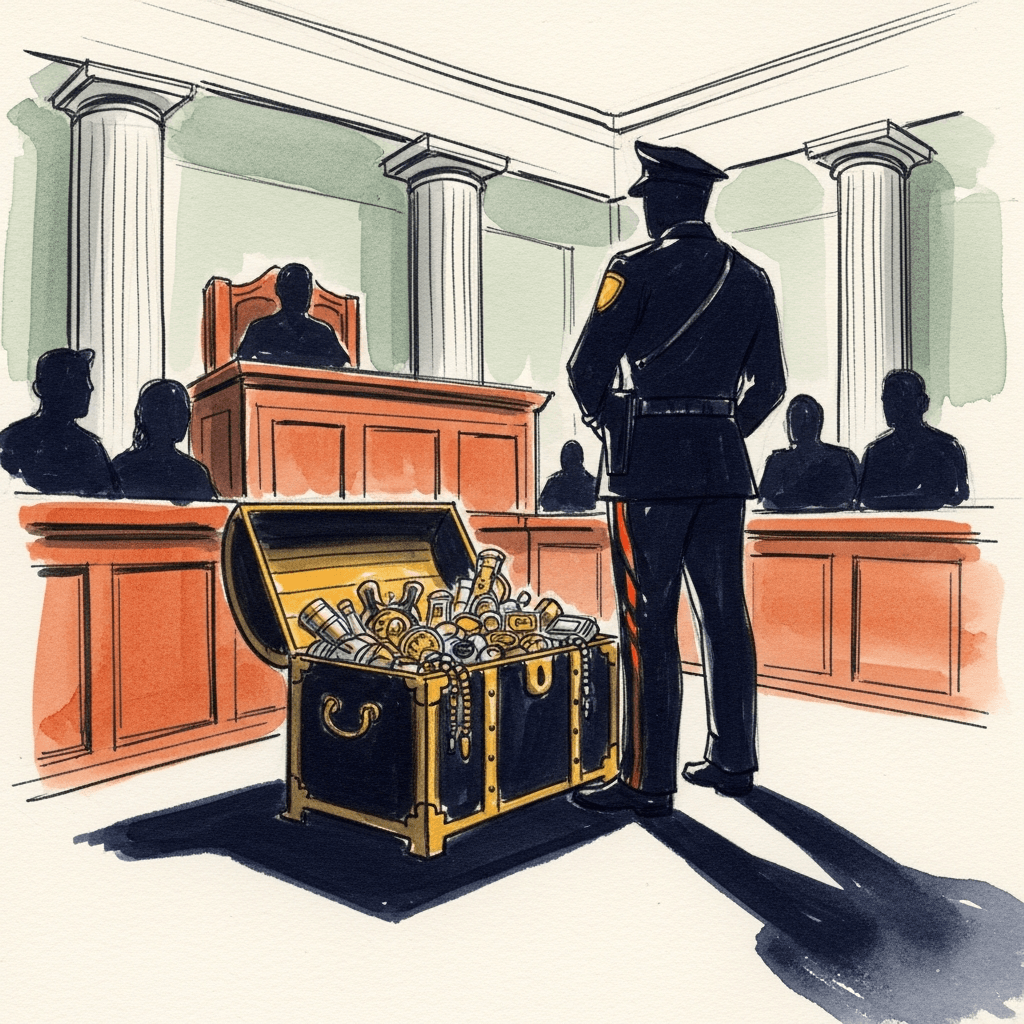
This case asks whether police officers violate the Fourth Amendment if they steal property that is listed in a search warrant.
- Status
- Dismissed
- Appeal from
- United States Court of Appeals for the Ninth Circuit
Case briefing
Case snapshot
What Happened
The Supreme Court is reviewing a case where police officers allegedly stole property while carrying out a search warrant. The central dispute is whether this act of theft by law enforcement violates the Fourth Amendment, which protects people from unreasonable searches and seizures.
Why It Matters
This case affects how much protection citizens have when police enter their homes or businesses. If the Court rules that theft during a search is not a constitutional violation, it could make it harder for victims to sue officers for misconduct.
The Big Picture
The case touches on the broader legal debate over qualified immunity, a rule that often protects government officials from being sued. It asks if the right to not have your property stolen by police is clearly established in the law.
What the Justices Said
No substantive justice or advocate reactions are available yet.
The Bottom Line
The Court must decide if the Constitution allows police to steal items they were supposed to be legally seizing as evidence.
What's Next
The next major milestone is for the Court to schedule and hold oral arguments. After that, the justices will meet privately to vote and eventually release a written opinion.
What is the core dispute in this case?
The case asks if police violate the Fourth Amendment when they steal property listed in a search warrant. The victims argue that theft makes a search unreasonable and unconstitutional.
What are the real-world consequences for citizens?
A ruling could determine if people can sue officers who take money or property for personal gain. It impacts the level of trust and accountability between the public and law enforcement.
What legal rule is the Court examining?
The Court is looking at the Fourth Amendment's ban on unreasonable seizures. They are deciding if theft by an officer falls under this specific constitutional protection.
What is the next procedural step for this case?
The case will move toward oral arguments where lawyers for both sides present their points. The justices will then deliberate before issuing a final decision later in the term.
How does this fit into a broader legal trend?
This case is part of a growing national conversation about police accountability. It follows many other legal challenges regarding when government officials should be held liable for their actions.
Where things stand
Timeline
Source note
How this page is sourced
Official case materials anchor this page. Reporting is used only to add context and explain the dispute in plain English.
Page data last refreshed Mar 30, 2026.
Context reporting
Primary materials
Documents & resources
Recent coverage
In the news
More to watch