Gen. Elec. Co. v. Raytheon Techs. Corp.
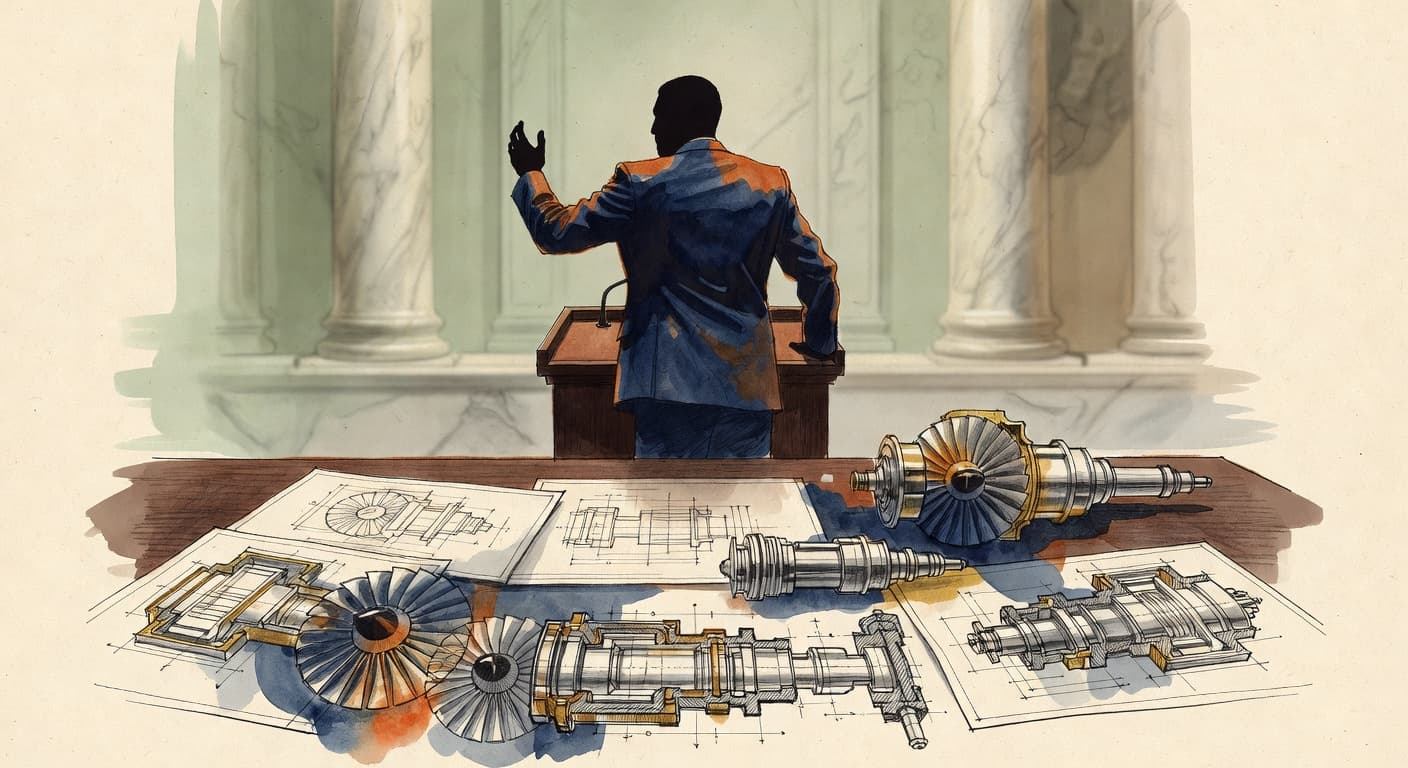
This case involved a patent dispute between General Electric and Raytheon Technologies regarding gas turbine engine technology, specifically focusing on whether General Electric had the legal standing to appeal an administrative decision invalidating its patent claims.
- Status
- Dismissed
- Appeal from
- United States Court of Appeals for the Federal Circuit
Case briefing
Case snapshot
What Happened
The Supreme Court declined to hear a challenge from General Electric regarding its ability to appeal a patent ruling. The case centered on whether GE had the legal standing (the right to bring a case to court) to fight an administrative decision that canceled its patent claims for engine technology.
Why It Matters
This case affects how companies defend their inventions when a government agency cancels their patents. Without the right to appeal, companies like GE may lose valuable intellectual property rights without a final review by a federal court.
The Big Picture
The dispute is part of a larger trend regarding how much power administrative agencies have over private property like patents. It highlights the tension between streamlined government reviews and the constitutional right to have a day in court.
What the Justices Said
The Court denied the petition for a writ of certiorari (a request to hear the case) on May 26, 2020.
The Bottom Line
The Supreme Court let stand a lower court ruling that limited General Electric's ability to appeal a patent loss.
What's Next
Observers should watch how lower courts and federal agencies handle similar patent disputes involving gas turbine technology. The ruling means the administrative decision invalidating GE's patent claims remains in place.
What was the core dispute between General Electric and Raytheon?
The companies fought over gas turbine engine technology patents. GE wanted to appeal a government decision that had invalidated its specific patent claims.
What are the real-world consequences for companies in patent battles?
Companies may find it harder to protect their inventions if they cannot appeal agency decisions. This could reduce the overall value of certain technical patents.
What legal rule was at the center of this case?
The case focused on legal standing, which requires a party to show they have suffered a specific injury. The court examined if GE met this requirement.
What is the next procedural step for these parties?
Because the Supreme Court declined to hear the case, the lower court's decision is final. Parties must now comply with the existing administrative ruling.
How does this case fit into a broader legal trend?
It reflects ongoing debates about the power of administrative agencies versus federal courts. It shows the difficulty of overturning agency decisions on patent validity.
Where things stand
Timeline
Source note
How this page is sourced
Official case materials anchor this page. Reporting is used only to add context and explain the dispute in plain English.
Page data last refreshed Mar 31, 2026.
Context reporting
Primary materials
Documents & resources
Recent coverage
In the news
More to watch